


Florida’s Hidden Hiking Trails: Cool Weather Adventures for Nature Lovers
Florida, a state celebrated for its sun-drenched beaches and vibrant theme parks, harbors a secret world for the adventurous soul: its lesser-known hiking trails. These hidden gems offer a wealth of adventure and natural beauty, especially during the crisp fall and winter months when the air is cooler and the wildlife more active.
Whether you’re a seasoned trailblazer seeking new challenges, a wildlife enthusiast eager to spot unique species in their natural habitat, or simply searching for “hiking trails near me, Florida” for a refreshing escape, this guide is your key to unlocking the secrets of the state’s wilder side. Prepare to discover a Florida far removed from the tourist crowds, where ancient forests, winding wetlands, and breathtaking vistas await nature lovers willing to explore beyond the well-trodden path.
Why Cool Weather Is Perfect for Exploring Florida’s Hidden Trails
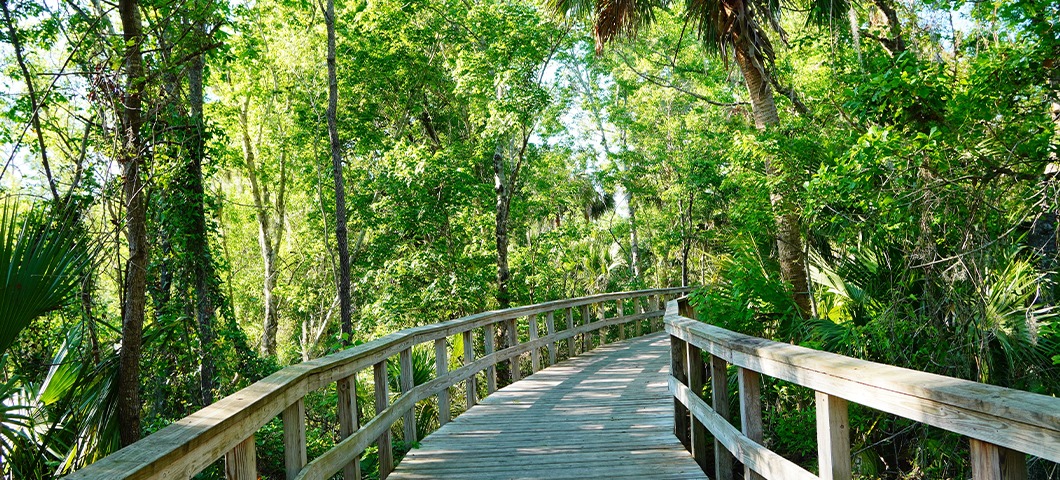
Unlike much of the nation, Florida’s hiking season truly begins when temperatures dip. Humidity drops, bugs recede, and bird and wildlife activity intensifies, making fall and winter the best times for Florida outdoor adventures and cool-weather hiking. Seasonal migration brings rare species within view, and mild temperatures invite longer, more comfortable hikes throughout the state’s forests, preserves, and wetlands.
Cool weather hiking also means safer, more enjoyable treks, with a lower risk of heat stress and dehydration, increased visibility, and fewer thunderstorms. Exploring Florida’s nature trails in these months opens up challenging terrain, from deep river bluffs to tangled cypress swamps, that might be unbearable during the hotter, rainier summer months.
What Makes a Trail “Hidden” in Florida: Understanding Lesser-Known Destinations
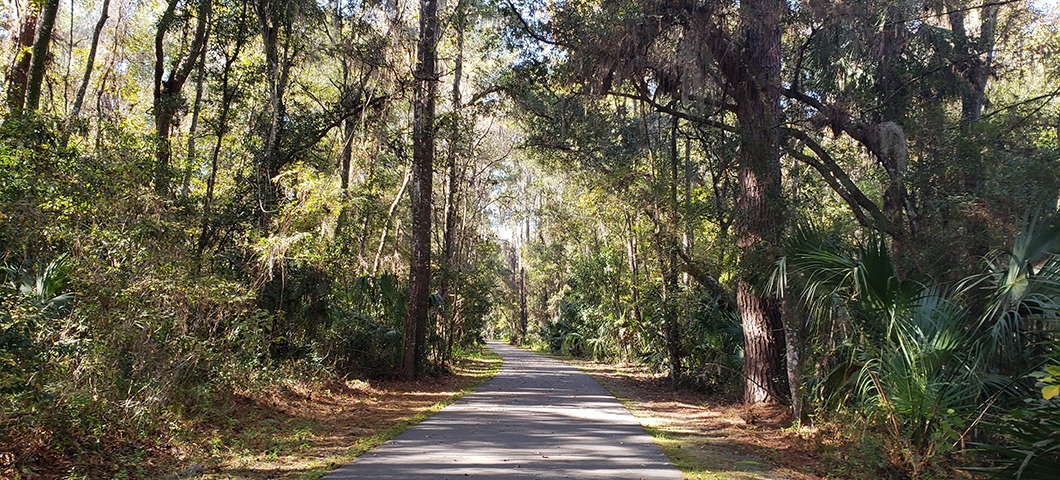
A hidden hiking trail in Florida escapes large crowds yet delivers unique natural features and beautiful solitude. These may include protected paths in national forests, ancient dunes in remote parks, or unmarked loops in wildlife management areas. Often overlooked, they offer silence, pristine habitat, and surprise encounters with rare animals or plants. By seeking out these routes, hikers discover the real Florida—unspoiled, mysterious, and full of life.
North Florida’s Secret Hiking Trails: Blackwater River to Big Shoals
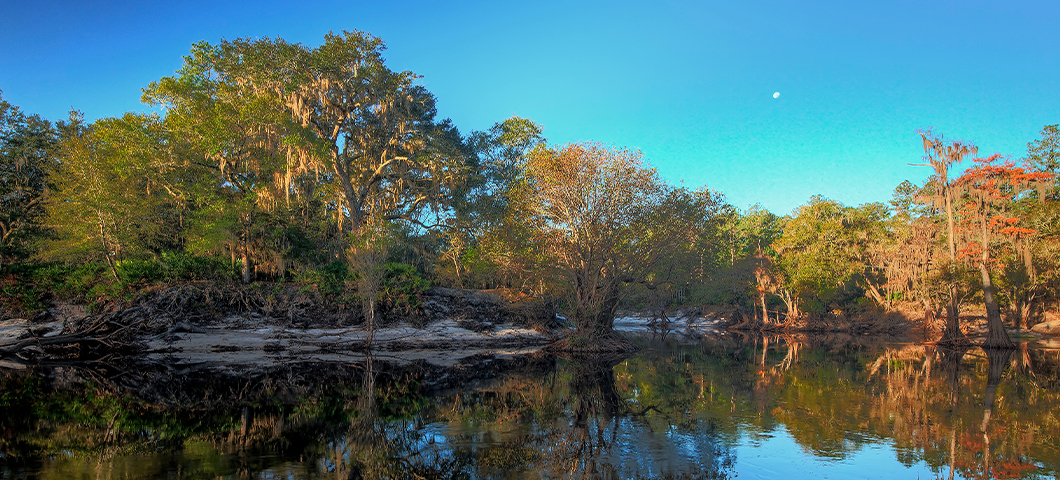
North Florida is home to some of the most dramatic landscapes in the state, especially in cool weather. Blackwater River State Forest features hidden loops beneath longleaf pines and through aromatic bogs, making it ideal for birdwatchers and paddlers. Big Shoals State Park, meanwhile, boasts Florida’s only river rapids (Class III) and cliff-side views up to 80 feet above the Suwannee River. These routes are rich in eco-friendly hiking opportunities and are best explored from late autumn through early spring, when privacy, wildflowers, and lively wildlife are most abundant.
Even seasoned Floridians overlook places like Coldwater Creek Trail or the primitive campsites along the banks of Big Shoals. Each offers a chance for Florida wilderness hiking away from the beaten path, with the cool weather making rugged terrain and river crossings safer and more enjoyable.
Torreya State Park: Florida’s Mountain Hiking Experience with Stunning River Views
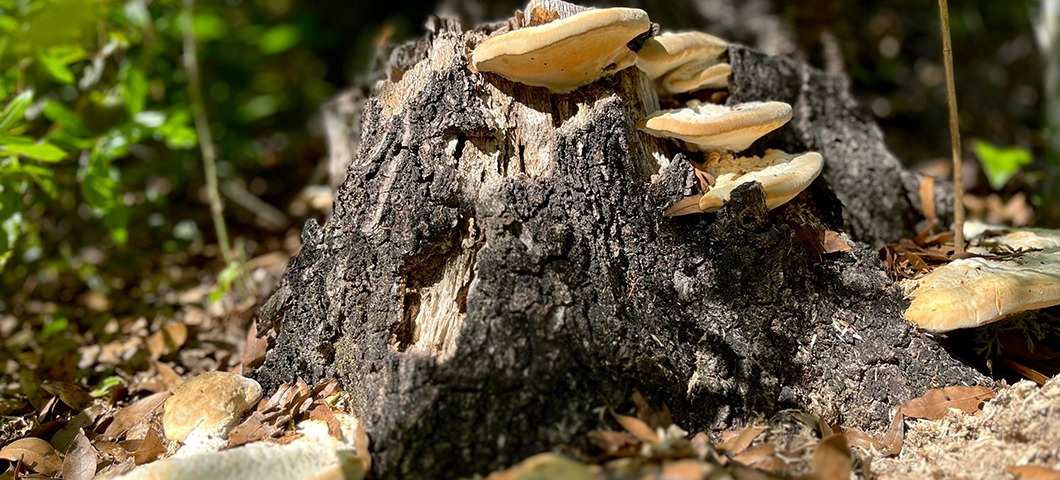
Torreya State Park in the Florida Panhandle offers an experience unlike any other in the state: actual elevation gain on rugged bluffs overlooking the Apalachicola River. The park is named after the rare Torreya tree, found nowhere else in the world, and its scenic trails, such as the Weeping Ridge Trail and the 7-mile Rock Creek Loop, pass through hardwood forests as well as ridges with panoramic views of the river.
Autumn and winter highlight the dramatic landscape and leaf change, making Torreya a prime destination for those seeking both mountain hiking and scenic trails in Florida. Picnic areas, primitive campsites, and guided hikes allow backpackers and families alike to experience the park’s unique biodiversity in comfort and safety.
Central Florida’s Hidden Hiking Gems Beyond the Theme Parks
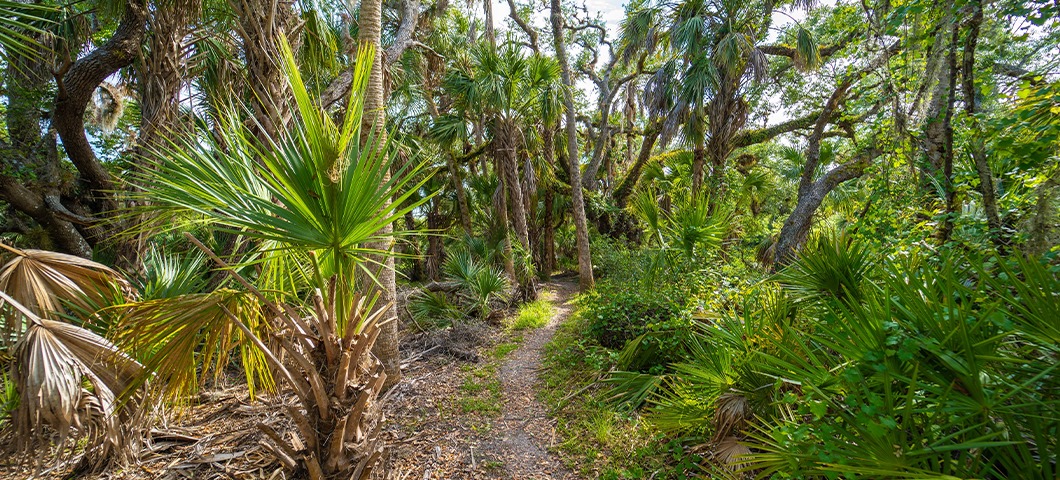
Central Florida is often associated with urban excitement, but its true treasures lie just beyond the city limits. Hidden paths wind through state forests, such as Little Big Econ and Lake Wales Ridge, and along the Florida Trail corridor, revealing sandhills, wetlands, and open pine woods teeming with wildlife. The Florida Trail, a National Scenic Trail over 1,000 miles long, runs through these regions and connects to local paths that exemplify “best hiking spots in Florida.”
From the quiet loops of the Econ River Wilderness Area to the scrubby, orchid-laden slopes of Lake Wales Ridge, hikers encounter native wildflowers, rare birds, and ancient oaks—all especially vibrant in cool weather. These destinations provide ample chances for both short walks and multi-day adventures.
Ocala National Forest: Off-the-Beaten-Path Trails Through Ancient Scrub and Springs
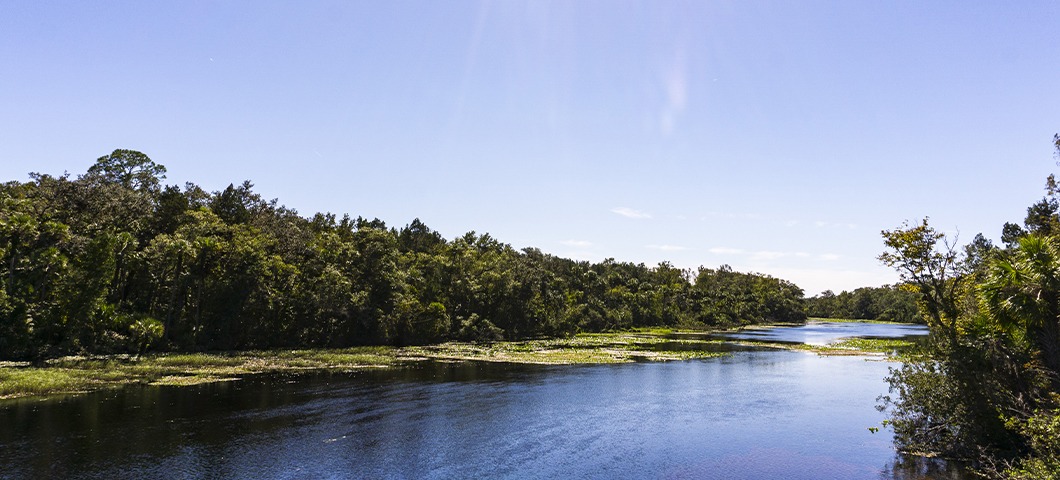
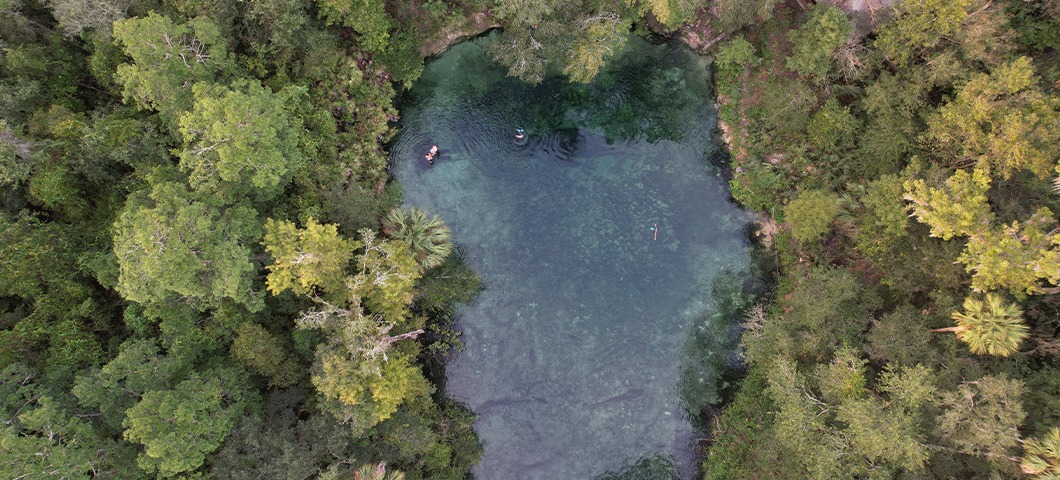
Boasting over 600 square miles of protected land, Ocala National Forest is the heart of Florida’s outdoor adventures and houses some of the most overlooked trails in the state. The St. Francis Trail, with its rich history of ghost towns and dense cypress tangles, is a favorite among adventurous hikers, while the Hopkins Prairie Trail offers open vistas and opportunities for marshland birding. Juniper Springs’ headwater paths round out a region perfect for fall hiking in Florida.
Many of Ocala’s lesser-trodden trails are best explored from November through March, when water levels drop and animal activity peaks. The mix of ancient sandhills, spring-fed rivers, and cultural history makes the area a must-visit for backpacking enthusiasts seeking pure Florida nature trails.
Tosohatchee Wildlife Management Area: Remote Wilderness Along the St. Johns River
East of Orlando, the Tosohatchee Wildlife Management Area hides among the cypress swamps and oxbow lakes of the St. Johns River. This vast preserve offers isolated loops where hikers can see deer, bobcat, and sandhill cranes, along with blooming meadows and serene river overlooks. Permits may be required, so check with local authorities before embarking on your expedition. Enjoy another slice of Florida wilderness away from the crowds.
What Makes Cool Weather Hiking Safer and More Enjoyable in Florida?
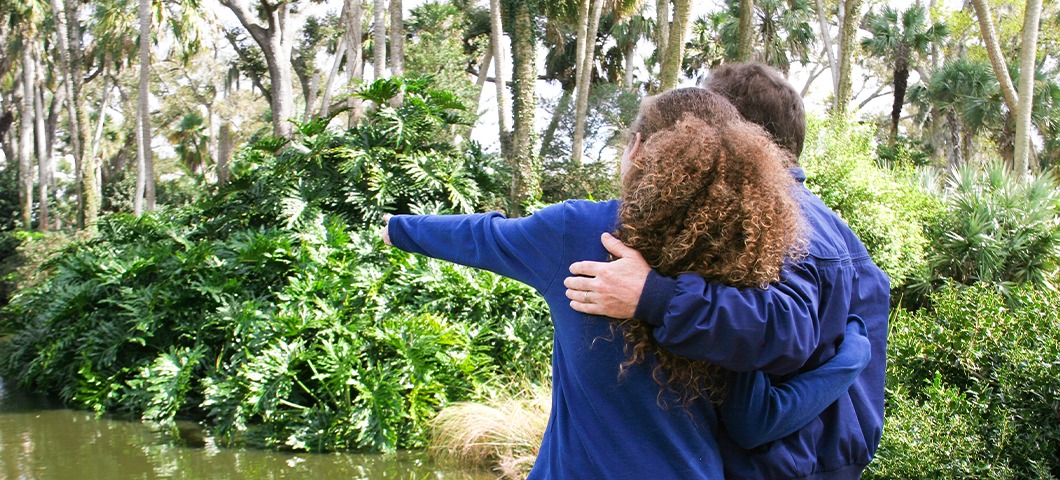
Cool weather enhances the hiking experience in Florida by reducing the risks associated with heat, improving wildlife viewing, and minimizing the presence of biting insects. The Florida Trail Association designates October to April as the optimal season for hiking, with January to March being the best months for backpacking. Drier conditions, more active animals, and improved trail visibility all contribute to safer, more satisfying hikes, particularly along hidden trails and state parks.
South Florida’s Unexpected Wilderness Hiking Trails
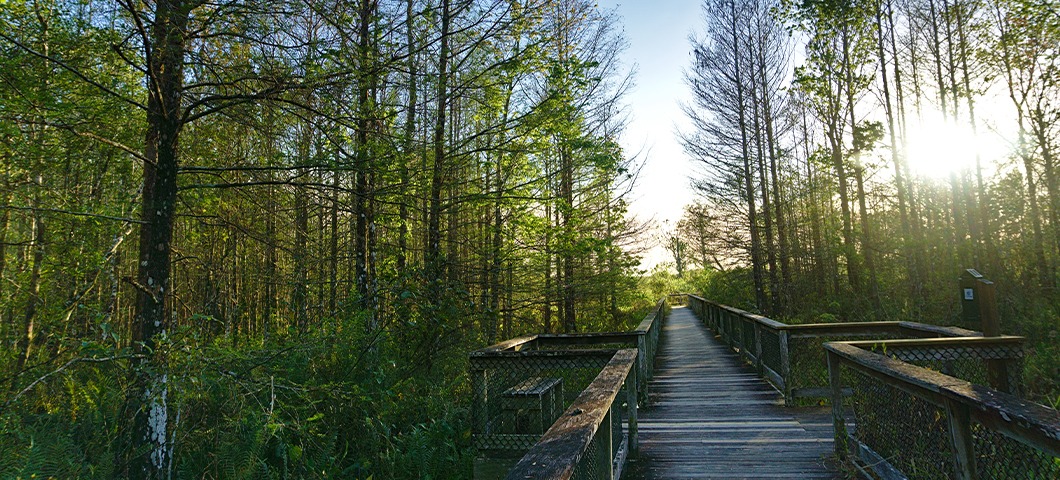
South Florida’s secret trails often surprise visitors with their diversity. The CREW Land & Water Trust trails traverse open marshes, pine uplands, and cypress domes, while Jupiter Island’s Blowing Rocks Preserve shows off unique limestone cliffs and windswept beaches. These “hidden hiking trails in Florida” offer solitude and beautiful scenery rarely found so close to developed regions.
Other highlights include Bird Rookery Swamp in Naples, Allapattah Flats near Port St. Lucie, and Fakahatchee Strand Preserve—each home to rare animals, wild orchids, and endless opportunities for scenic trails in Florida. Winter is the prime time for exploring these areas, when mosquitoes vanish and wading becomes safe and pleasant.
Big Cypress National Preserve: Backcountry Trails Through Dwarf Cypress Forests
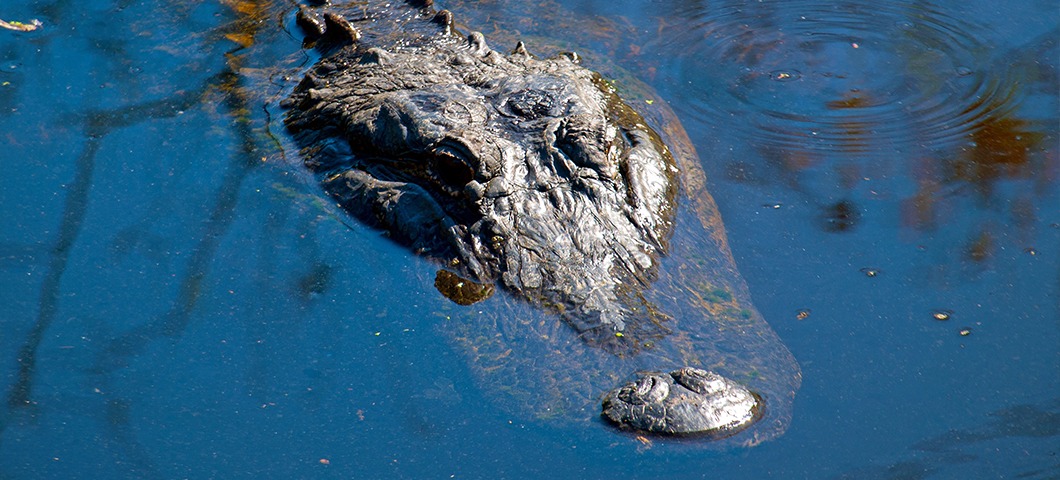
Covering more than 729,000 acres, Big Cypress National Preserve is one of Florida’s wildest hiking destinations. Thru-hikers on the Florida Trail move through the preserve’s dwarf cypress, prairie, and palmetto swamps—best tackled in late fall or winter, when water levels fall and wildlife like wading birds, turtles, and even panthers come out to play.
Backcountry routes, such as the Florida Trail’s southern segment, offer an unforgettable adventure for those equipped to handle rugged conditions. Waterproof boots, extra socks, and plenty of drinking water are essential. With minimal crowds and awe-inspiring natural beauty, Big Cypress is the ultimate trail adventure in Florida for serious hikers.
Myakka River State Park: Secluded Trails and Canopy Walkway Adventures
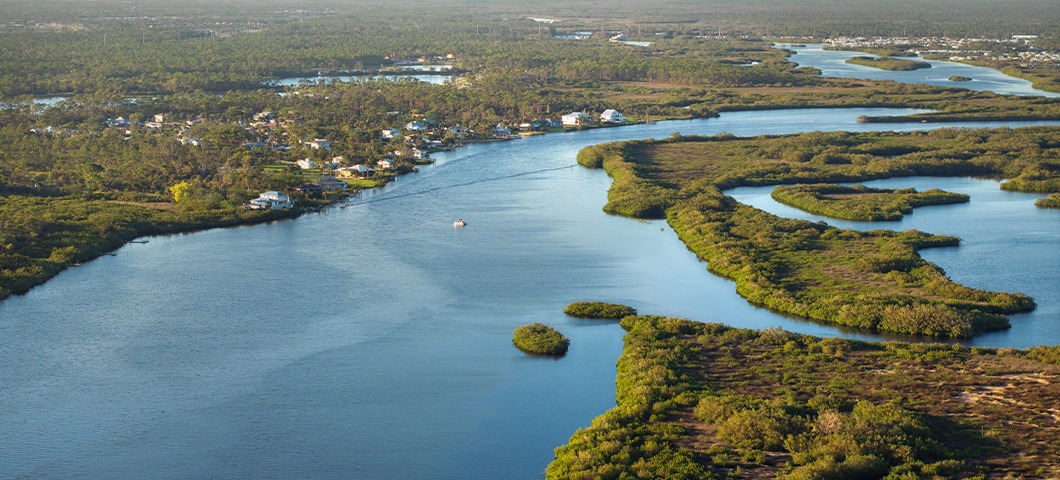
Located near Sarasota, Myakka River State Park features some of the most scenic trails Florida has to offer, with rare dry prairie, palm hammocks, and a famous canopy walkway set high above the treetops. Trails like the Deep Hole and Birdwalk sections allow hikers to spot alligators, migratory birds, and blooming wildflowers. At the same time, longer loops reveal remote, tranquil landscapes best experienced in winter or spring.
The park’s combination of boardwalks, primitive campgrounds, and guided tours makes it accessible for both casual nature lovers and dedicated trekkers seeking eco-friendly hiking experiences.
Essential Gear and Safety Tips for Florida Cool-Weather Hiking
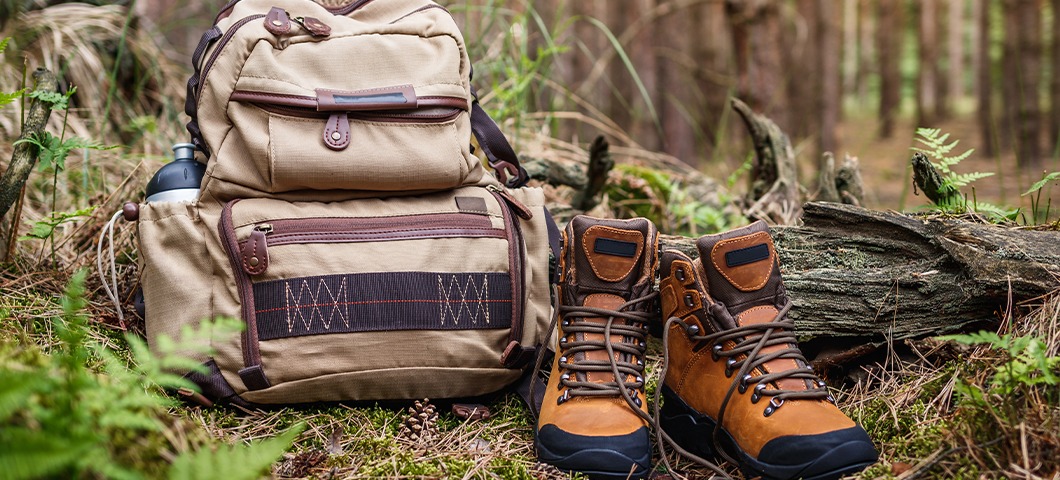
Success on Florida hiking trails during cool weather hinges on preparation. Bring layers: mornings can be chilly, but afternoons often warm up quickly. Waterproof boots or gaiters are essential in areas prone to wading, such as Big Cypress and the Florida Trail. Always carry bug spray, water purification tools, maps, or a GPS device, and lightweight rain gear.
Sun protection, including a hat, UV-rated clothing, and sunscreen, is necessary year-round. In remote areas, let someone know your hiking plans, and always pack out trash to preserve fragile ecosystems. Fire danger increases in winter’s dryness; heed all park regulations regarding open flames and backcountry safety.
What Permits and Rules Apply for Hiking Florida State Parks and Wildlife Areas?
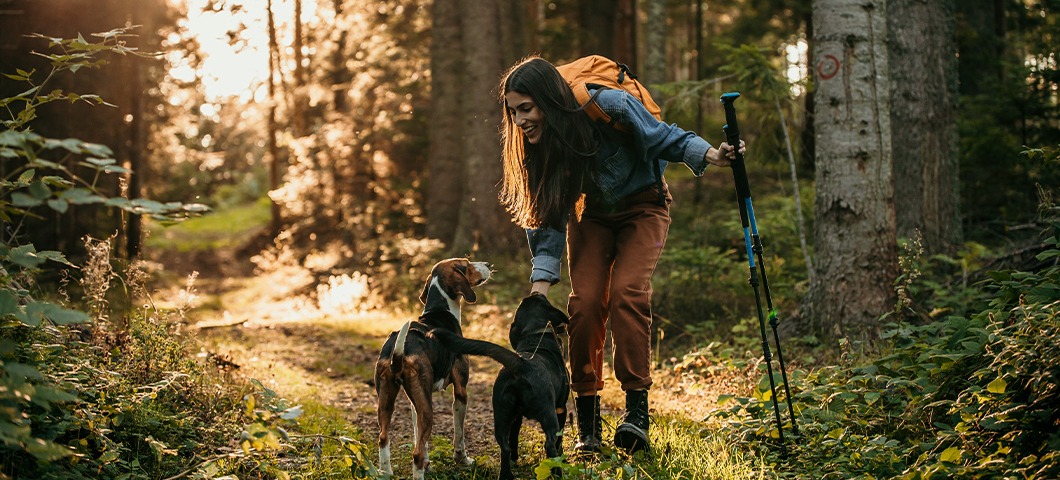
Most Florida state parks require a modest entrance fee per vehicle, generally ranging from $1 to $10, and some wildlife areas require a permit from the Florida Fish & Wildlife Commission. Dogs may be permitted on leash; always check specific site rules. Backpacking in wilderness sections, especially along the Florida Trail, often requires a reservation and wilderness camping permit. All trail regulations should be verified with official state sources before each visit.
Wildlife You’ll Encounter on Florida’s Hidden Trails: Viewing Tips and Common Species
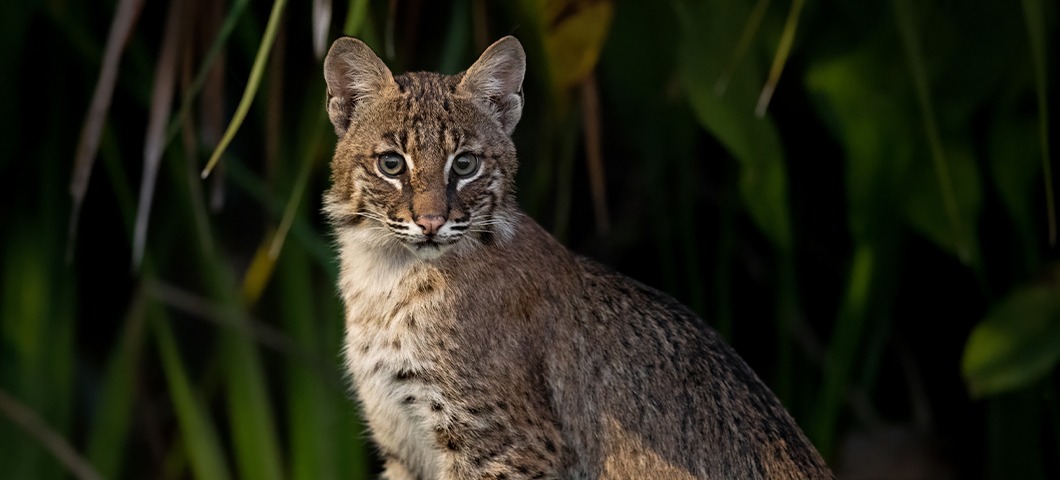
Florida’s trails are teeming with wildlife: white-tailed deer, wild turkey, gopher tortoises, bobcat, black bear (in the north), and even alligators in watery regions. Always maintain a safe viewing distance and refrain from feeding or disturbing the animals. Bring binoculars and a field guide for birding and mammal identification, and keep an eye out for seasonal migrations—especially during the peak hiking season in Florida.
Adhering to ethical wildlife viewing guidelines not only protects animals but also enhances your experience on Florida’s nature trails.
Planning Your Hidden Trail Adventure: Best Times, Permits, and Insider Tips
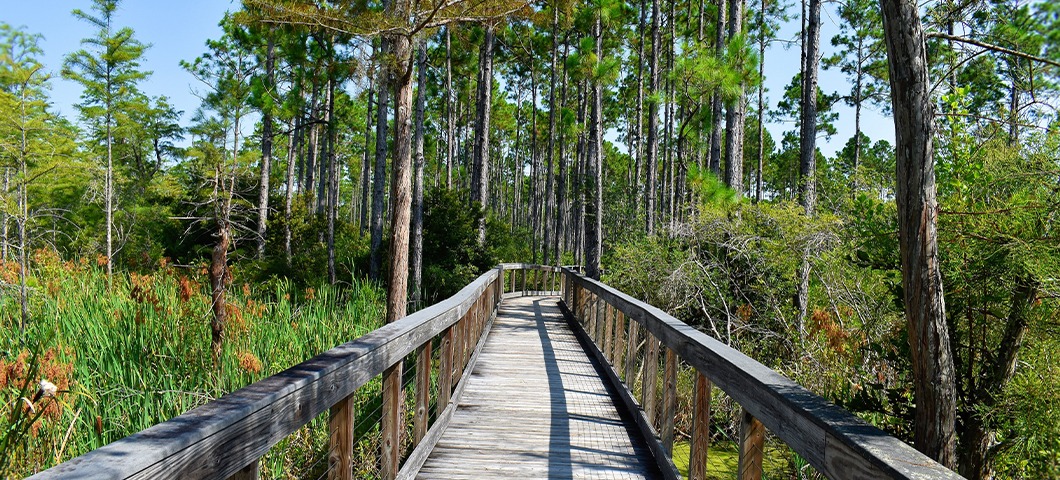
Florida’s hiking season peaks from November to April. Prepare by downloading current trail maps, checking hunting schedules for wildlife areas, and booking campsites—popular spots on the Florida Trail and state parks fill up fast in winter. Notify a contact before heading into remote regions and pack for sudden changes in weather.
Early arrival is a key strategy for a more enjoyable and less stressful experience, particularly when visiting popular natural attractions. Securing parking at trailheads becomes significantly easier, preventing the frustration of searching for a spot and potentially having to park a considerable distance away. Beyond the practical benefits of parking, arriving early also allows you to avoid the busiest crowds, offering a more serene and intimate connection with nature.
For those planning more extensive, multi-day backpacking adventures, thorough research into specific permit requirements is absolutely crucial. This is especially true for popular and protected areas, such as Ocala National Forest, Big Cypress National Preserve, and numerous state parks. These permits are often in place to manage visitor numbers, protect fragile ecosystems, and ensure the safety of all adventurers. Failing to obtain the necessary permits can result in fines or even being turned away from your planned route.
An invaluable “insider tip” for any hiker, regardless of experience level, is to join local hiking groups or online communities. These groups are a fantastic resource for up-to-date safety information, including details on current trail conditions, potential hazards, and essential gear recommendations. Furthermore, they often provide seasonal trail updates, alerting members to changes in accessibility, wildlife activity, or special events that might impact their plans. Connecting with experienced local hikers can significantly enhance your safety and overall enjoyment of the outdoors.
Start Your Hidden Trail Exploration: Resources and Next Steps
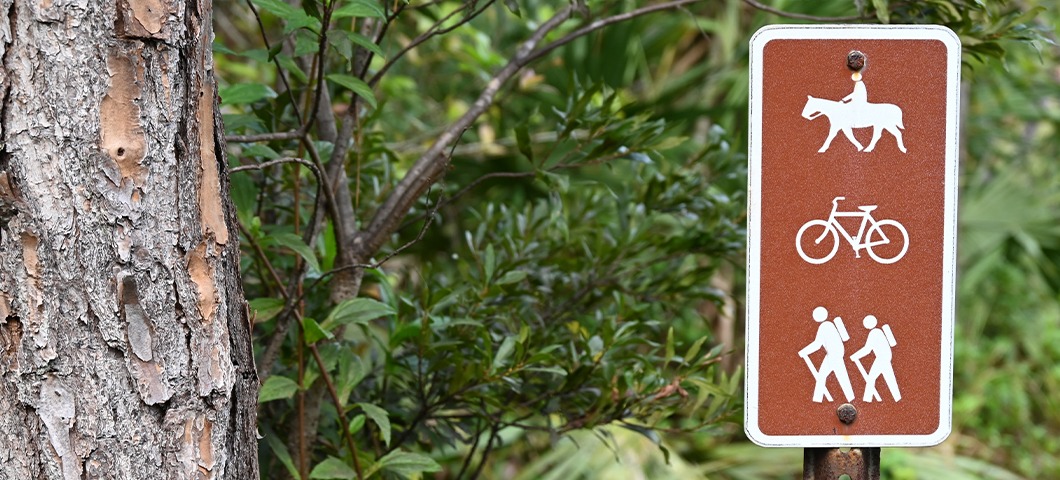
Ready to set off? Start with these reputable resources for trail conditions, safety updates, and seasonal guides:
- Florida State Parks official website (maps, regulations)
- The Florida Trail Association (route guides, data handbook)
Florida’s state parks and nature trails offer an unparalleled opportunity to connect with the natural world. To ensure these pristine environments remain preserved for generations to come, it is crucial to respect all posted rules and adhere to the “leave no trace” principles. This means packing out everything you pack in, staying on marked trails, and refraining from disturbing wildlife or natural features.
Whether you’re an avid hiker seeking challenging terrain, a nature enthusiast yearning for tranquil walks, or a family looking for a cool-weather adventure, Florida’s diverse landscapes offer something for everyone. From the panoramic vistas of coastal trails to the shaded canopies of ancient forests, unforgettable wilderness experiences are just beyond the next trailhead. Discover the best hiking spots in Florida and immerse yourself in the breathtaking beauty that awaits.
