The Top 7 Eco-Tours & Outdoors Adventures in Florida
April 30, 2025


While much of the country shivers through the coldest month of the year, Florida transforms into an outdoor enthusiast’s playground. January marks the heart of the Sunshine State’s dry season, when comfortable temperatures, reduced humidity, and minimal rainfall create ideal conditions for exploring everything from pristine beaches to wild backcountry trails.
Whether you’re a first-time visitor hoping to escape winter weather or a returning adventurer seeking new experiences, January offers some of the best opportunities to connect with Florida’s natural environment while supporting sustainable tourism practices that protect these landscapes for generations to come.
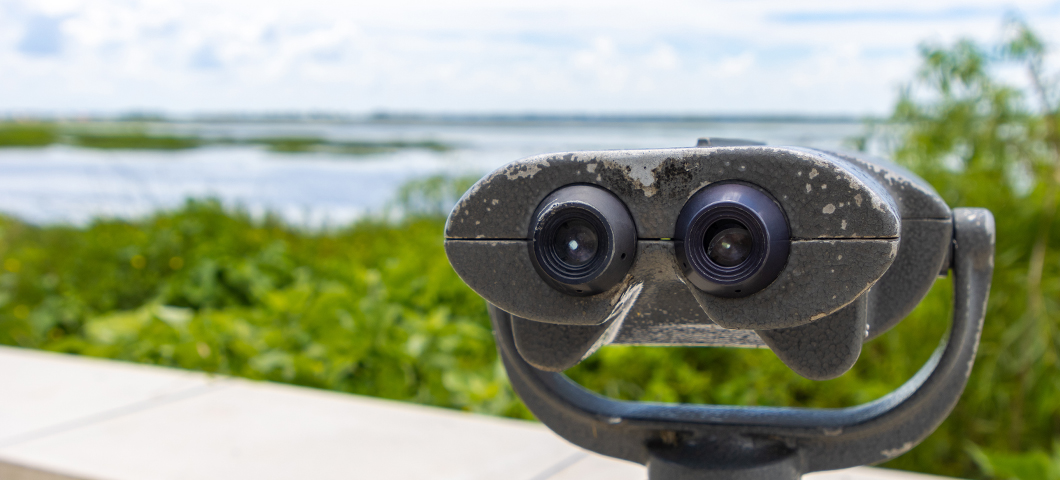
Florida’s winter weather flips the script on outdoor recreation. While summer brings oppressive heat, afternoon thunderstorms, and swarms of mosquitoes, January delivers the mild, dry conditions that make extended outdoor activities not just possible but genuinely pleasant. Temperatures range from the low 60s in the Panhandle to the mid-70s in South Florida, allowing visitors to hike, paddle, and explore without the constant battle against heat exhaustion that defines summer adventures.
The dry season, which runs from late October through April, reaches its stride in January. Florida experiences its lowest average daily rainfall of approximately 2.1mm during this month, meaning fewer canceled plans and more time on the water or trail. Humidity levels drop significantly as well, ranging from 53% to 87%, with lower readings in the afternoon, creating comfortable conditions for physical activity that would be challenging in the steam bath of July.
January also marks the convergence of wildlife seasons, making Florida uniquely compelling for nature enthusiasts. Manatees gather in warm-water springs to escape the cooling waters of the Gulf and the Atlantic. Migratory birds traveling the Atlantic Flyway settle into Florida’s wetlands and coastal habitats. Even mosquito activity drops substantially compared to wet season months, making dawn and dusk outings far more enjoyable. For ecotourists seeking meaningful wildlife encounters without the crowds and climate challenges of peak summer, January represents the sweet spot.
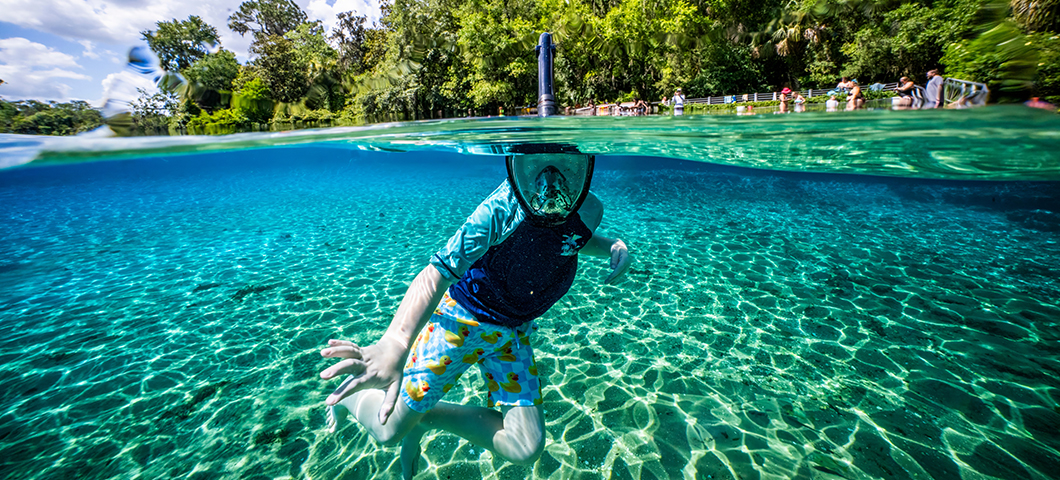
January transforms Florida’s beaches from sweltering summer escapes into comfortable outdoor playgrounds. Water temperatures along the Gulf Coast and in South Florida range from 69°F to 77°F during this month, warm enough for swimming without the jellyfish blooms and oppressive humidity that characterize summer beach days. The Atlantic side tends to run slightly cooler than the Gulf, so visitors seeking the warmest water should focus their attention on the southwestern coast and the Florida Keys.
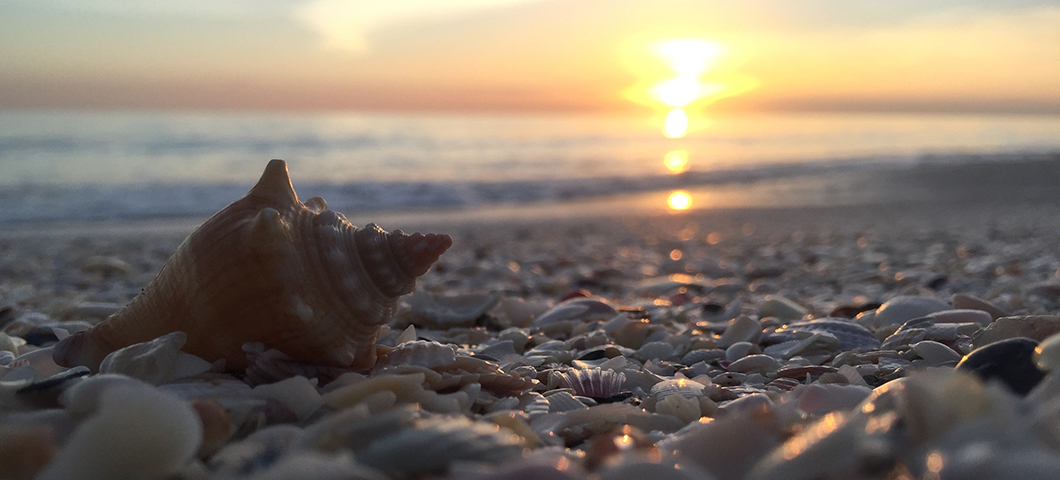
Sanibel Island stands out as one of the premier beach destinations for January visitors, particularly those interested in shelling. The island’s unusual east-west orientation creates a natural collection point for shells washing in from the Gulf of Mexico, earning it recognition as the “Shelling Capital of the World.” January falls within peak shelling season, when lower tides and north winds push an abundance of treasures onto the sand. Early morning visits, ideally an hour before or after low tide, offer the best finds before other beachcombers arrive. Conservation-minded islanders successfully lobbied for a complete ban on live shelling that went into effect in 1995, protecting the living creatures that call these shells home while still allowing visitors to collect empty specimens.
The Florida Keys offer a different kind of coastal adventure, with some of the best snorkeling opportunities in the continental United States. The Florida Keys National Marine Sanctuary protects over 2,900 square nautical miles of underwater habitat, including the only living coral barrier reef in North America. John Pennekamp Coral Reef State Park in Key Largo serves as the gateway to this underwater world, offering boat tours to sites like Molasses Reef, where snorkelers encounter parrotfish, sea turtles, and the famous Christ of the Abyss statue. January’s calmer waters typically provide excellent visibility, though water temperatures in the 70-75°F range may warrant a rash guard for extended swims.
Responsible reef exploration requires attention to what you put on your skin before entering the water. Traditional sunscreens containing oxybenzone and octinoxate contribute to coral stress and bleaching, a serious concern given the fragile state of Florida’s reef system. Reef-safe sunscreens using zinc oxide as the active ingredient provide effective protection without harming marine life. Key West has moved to restrict the sale of harmful sunscreen ingredients, following Hawaii’s lead. Beyond sunscreen choices, good reef etiquette includes avoiding contact with coral, never standing on reef formations, and resisting the urge to chase or touch marine life.
For families seeking calmer waters and easier beach access, the Gulf Coast delivers consistently. Marco Island’s Tigertail Beach and Naples’ Delnor-Wiggins Pass State Park both offer gentle waves, warm January temperatures, and excellent shelling opportunities. Bahia Honda State Park in the Lower Keys provides two beach options: Calusa Beach near the historic bridge and the more secluded Sandspur Beach, where visitors can snorkel directly from shore in shallow, protected waters.
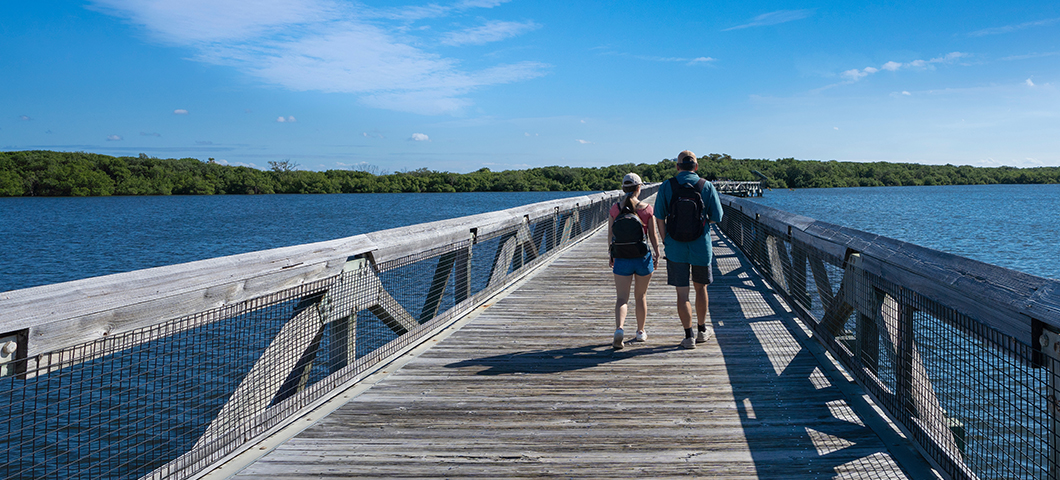
Florida’s hiking season operates on an inverted calendar compared to the rest of the country. While hikers in the Rockies or Appalachians wait for snowmelt, Florida’s trails become accessible and enjoyable precisely when northern trails shut down for winter. The Florida Trail Association designates October through April as the optimal hiking season, with January falling squarely within the prime window for comfortable trail conditions.
The Florida National Scenic Trail stretches over 1,300 miles from the Big Cypress Swamp near the Everglades to the Gulf Islands National Seashore near Pensacola. January marks the traditional start date for thru-hikers attempting the entire route, but the trail also offers countless options for day hikers and weekend backpackers. The Florida Trail Association recommends that thru-hikes begin in early January and finish by April to take advantage of the dry season and avoid conflicts with hunting seasons that affect some sections in the fall. The cool, dry months of December through March allow the typically waterlogged sections to dry out enough for passage, making previously impassable swamp crossings merely ankle-deep rather than waist-high.
State parks throughout Florida come alive with activity during January. The Ocala National Forest offers the most diverse Florida Trail experiences, with sections passing through sand pine scrub, longleaf pine sandhills, and hardwood hammocks. Paynes Prairie Preserve State Park, south of Gainesville, offers opportunities to spot wild horses and bison, as well as extensive birdwatching. Myakka River State Park, east of Sarasota, features one of the state’s oldest and largest hammocks, with a canopy walkway offering aerial views of the forest ecosystem.
January hiking does require some Florida-specific preparation. While hypothermia might seem unlikely in the Sunshine State, overnight temperatures can drop into the 30s and 40s in northern Florida, and wet crossings combined with dropping temperatures create real cold-weather risks. Pack layers, expect temperature swings of 40 degrees or more between dawn and midday, and bring more insulation than you think you’ll need for overnight trips. The Florida Trail Association notes that a 20°F sleeping bag provides reasonable warmth during prime hiking season, a far cry from the ultralight summer gear appropriate elsewhere.
For those seeking shorter adventures, Florida’s state parks and preserves offer well-maintained trail systems suitable for all fitness levels. Wekiwa Springs State Park near Orlando combines spring swimming with miles of hiking trails through sandhills and hammocks. Devil’s Millhopper Geological State Park in Gainesville features a 120-foot-deep sinkhole with a unique microclimate supporting plants typically found hundreds of miles north. Wherever you hike, January’s comfortable temperatures and reduced insect activity make trail time genuinely pleasant rather than an endurance test.
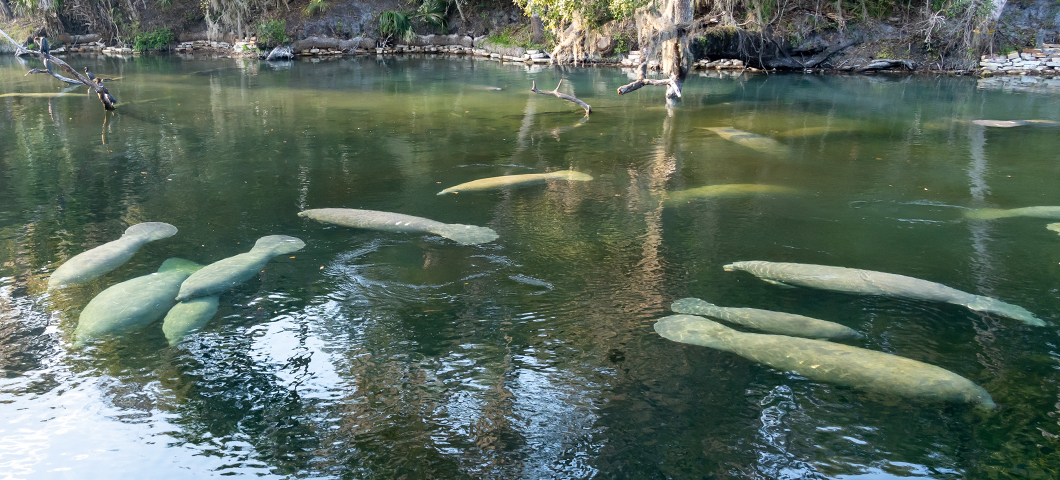
January delivers Florida’s most spectacular wildlife viewing opportunities, with several species converging on the state’s warm waters and protected habitats. No species better represents this seasonal phenomenon than the West Indian manatee, which gathers by the hundreds in Florida’s natural springs when Gulf and Atlantic waters cool below the 68°F threshold these gentle giants require for survival.
Blue Spring State Park, north of Orlando, hosts one of the largest and most accessible winter manatee aggregations. The park’s constant 72°F spring water creates an irresistible refuge during cold snaps, drawing sometimes staggering numbers of animals. In January 2024, park staff counted a record-breaking 932 manatees in a single morning, shattering the previous record of 736 set just weeks earlier on New Year’s Day. This dramatic increase from the 14 manatees researchers tracked when the park opened in the 1970s to consistent numbers exceeding 700 demonstrates the success of decades of protection efforts.
Crystal River in Citrus County offers a different manatee experience, with opportunities to kayak and snorkel in close proximity to wintering animals. The Crystal River National Wildlife Refuge protects critical warm-water habitat, with approximately 400-500 manatees seeking shelter there during the winter months compared to just 40 year-round residents. Three Sisters Springs, the crown jewel of the refuge, closes to all water activities from November 15 through March 31 to protect congregating manatees, but visitors can observe from an elevated boardwalk on the land side of the refuge.
Florida’s position along the Atlantic Flyway makes it a critical winter destination for migratory birds traveling from breeding grounds as far north as the Arctic tundra. The Great Florida Birding and Wildlife Trail encompasses 510 premier wildlife viewing sites across the state, connected by a 2,000-mile self-guided driving route. January visitors can expect to encounter species including painted buntings, yellow-rumped warblers, and various waterfowl that make Florida their winter home.
Merritt Island National Wildlife Refuge on Florida’s Space Coast ranks among the top birding destinations on the Eastern Seaboard. The refuge’s Black Point Wildlife Drive offers easy vehicle-based viewing of wading birds, waterfowl, shorebirds, and raptors. J.N. “Ding” Darling National Wildlife Refuge on Sanibel Island provides similar drive-through viewing opportunities, with January marking an excellent time to spot roseate spoonbills, white pelicans, and dozens of other species taking advantage of the refuge’s protected wetlands.
Whether observing manatees or photographing birds, January wildlife viewing requires patience and respect for the animals. Maintain appropriate distances, use binoculars or long lenses rather than approaching closely, and remember that feeding wildlife disrupts natural behaviors and can cause serious harm. The spectacular congregations that January brings to Florida exist precisely because these areas provide safe refuge. Responsible observation ensures these gatherings continue for generations to come.
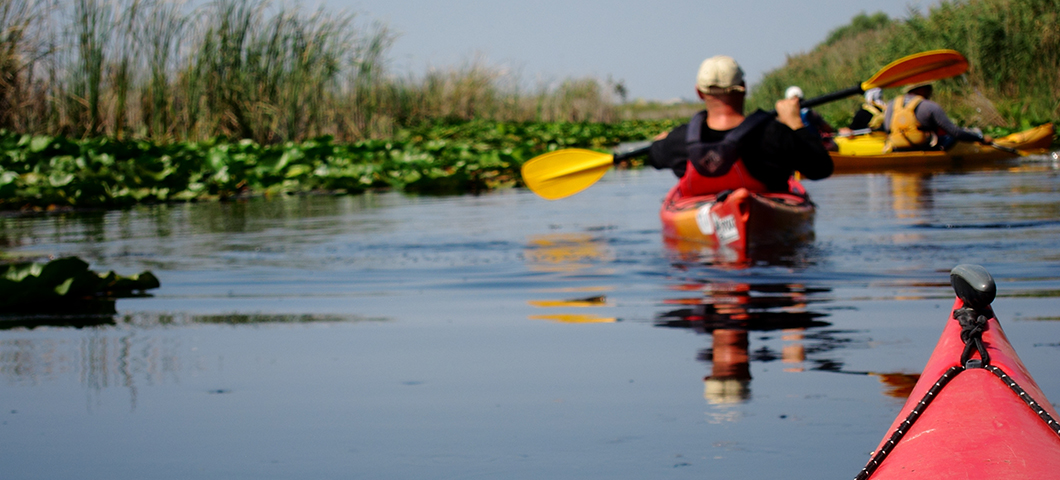
January’s calm waters and comfortable temperatures create ideal conditions for paddling adventures throughout Florida. From spring-fed rivers crystal clear enough to see twenty feet down to coastal mangrove tunnels teeming with wildlife, the state offers paddling experiences found nowhere else in the continental United States during the winter months.
Crystal River and the surrounding springs of Citrus County represent the epicenter of Florida’s winter paddling scene. The region’s numerous first-magnitude springs maintain a constant 72°F temperature year-round, creating comfortable paddling conditions regardless of air temperature. Guided kayak tours operating during manatee season from November 15 through March 31 focus on finding and respectfully observing the gentle giants that congregate in these warm waters. Clear-bottom kayaks have become popular for these tours, offering unobstructed views of the springs’ crystalline depths and the wildlife inhabiting them.
The Chassahowitzka River south of Crystal River offers a wilder, less-developed paddling experience. This spring-fed blackwater river winds through pristine coastal marshland with minimal development along its banks. The Chassahowitzka National Wildlife Refuge protects much of the surrounding landscape, and paddlers frequently encounter manatees, dolphins, sea turtles, and abundant bird life along the route.
The Everglades provides a completely different paddling environment, with vast mangrove estuaries and coastal prairie forming North America’s largest subtropical wilderness. The Wilderness Waterway, a 99-mile marked canoe trail through Everglades National Park, draws experienced paddlers seeking multi-day adventure. For day-trippers, shorter routes through Nine Mile Pond or the Turner River offer accessible introductions to this unique ecosystem. January’s dry conditions and reduced mosquito activity make Everglades paddling far more pleasant than during wet season months.
Snorkeling opportunities extend well beyond the Florida Keys in January. The springs of north-central Florida, including Ichetucknee Springs, Rainbow Springs, and Ginnie Springs, offer visibility that rivals Caribbean destinations when conditions align. Water temperatures in these springs remain constant year-round, though the 72°F water can feel surprisingly cold on a January morning. A wetsuit or at least a rash guard makes extended snorkeling sessions more comfortable.
For those preferring to stay dry, glass-bottom boat tours and paddling remain excellent options for enjoying Florida’s aquatic environments. The state parks system offers narrated boat tours at several spring sites, while numerous outfitters provide kayak and paddleboard rentals throughout the state. Whatever your preferred approach to the water, January delivers some of the year’s best conditions for Florida aquatic adventures.
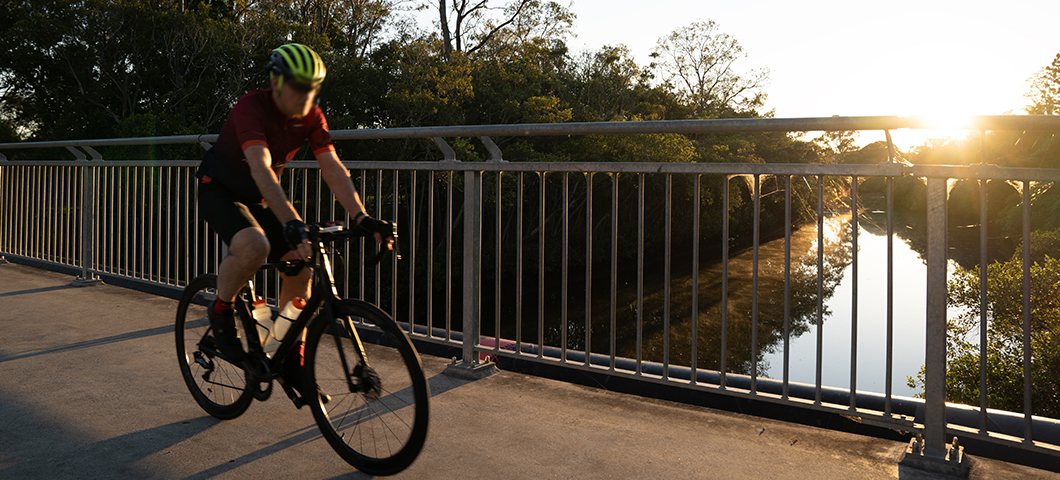
Florida’s extensive rail-trail network offers year-round cycling opportunities, but January’s mild temperatures make long-distance rides particularly appealing. The state has invested heavily in paved multi-use trails, creating a growing network that connects communities while providing safe, car-free routes for cyclists of all abilities.
The Florida Coast to Coast Trail represents the crown jewel of the state’s cycling infrastructure. This ambitious project, currently 88 percent complete, will eventually span approximately 250 miles from St. Petersburg on the Gulf Coast to Titusville on the Atlantic, creating the first cross-state paved trail of its kind in the United States. The route links together numerous existing trails, including the Pinellas Trail, Withlacoochee State Trail, and East Central Regional Rail Trail, passing through pine flatwoods, prairies, and small-town downtown districts along the way.
The Withlacoochee State Trail deserves special mention as one of Florida’s finest rail-trails. Stretching 46 miles through Citrus and Hernando Counties, the paved path passes through shaded hammocks and open farmland with numerous access points and rest facilities along the route. The trail forms part of the Coast to Coast connector and offers a relatively flat, beginner-friendly ride through classic Florida landscape.
In South Florida, Shark Valley in Everglades National Park offers a unique cycling experience. A 15-mile paved loop road through sawgrass prairie offers close encounters with alligators, wading birds, and the distinctive landscape of the River of Grass. Bicycle rentals are available at the visitor center, and the flat terrain makes this route accessible to riders of varying fitness levels. An observation tower at the loop’s midpoint provides expansive views across the Everglades.
The Keys Overseas Heritage Trail, when complete, will run the entire length of the Florida Keys, offering unparalleled ocean views. Currently, completed sections provide access to iconic bridges and island communities, though gaps require road riding between segments. January’s dry weather and moderate temperatures create ideal conditions for exploring the sections that interest you.
For mountain biking enthusiasts, Florida might seem an unlikely destination, but the state offers surprisingly technical single track. The Santos Trailhead near Ocala features miles of purpose-built mountain bike trails carved into former limestone quarries, with features ranging from beginner-friendly to genuinely challenging. Alafia River State Park near Tampa and Carter Road trails near Jacksonville round out a respectable collection of off-road riding options.
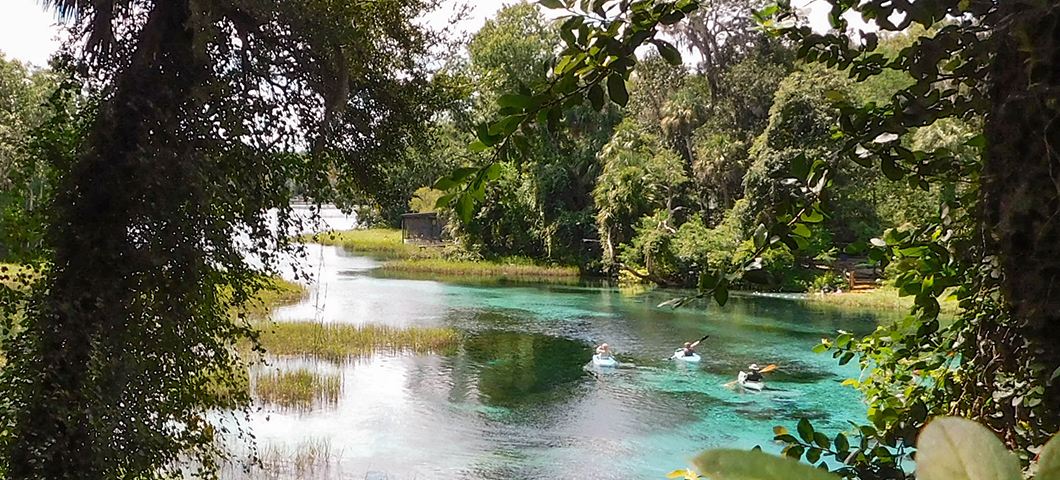
Florida’s January conditions make outdoor adventures accessible to families who might otherwise shy away from wilderness experiences. Comfortable temperatures, reduced insect activity, and manageable humidity levels allow children and less experienced outdoor enthusiasts to enjoy extended time in nature without the challenges that define Florida summers.
State park junior ranger programs operate throughout Florida, engaging children with age-appropriate nature activities while parents explore trails and beaches. Blue Spring State Park offers particularly excellent programming during manatee season, with opportunities to learn about these charismatic animals while observing them from boardwalks overlooking the spring run. Many parks offer guided walks and educational programs that help families connect with Florida’s unique ecosystems.
For families seeking accessible paddling experiences, many of Florida’s spring-run rivers offer calm, clear water suitable for children and beginners. Rainbow Springs State Park features a swimming area in addition to kayak and canoe rentals, allowing families to combine paddling with cooling off in the spring’s constant 72°F waters. Ichetucknee Springs offers gentle tubing runs during warmer months and paddling opportunities year-round, with crystal-clear water that delights children and adults alike.
Beach activities remain a perennial family favorite, and January’s moderate temperatures often create better conditions for extended beach play than scorching summer days. Building sandcastles, exploring tide pools, and searching for shells don’t require the constant sun protection vigilance that summer beach days demand. Sanibel Island’s beaches offer particularly rewarding shelling for families, with the famous “Sanibel Stoop” becoming a shared activity as everyone searches for treasures.
Wildlife viewing provides another engaging option for families. The elevated boardwalks at Myakka River State Park allow safe observation of alligators in their natural habitat, while the park’s airboat tours offer a more adventurous wildlife experience. Corkscrew Swamp Sanctuary near Naples features an accessible 2.25-mile boardwalk through old-growth cypress forest, where families can spot barred owls, red-shouldered hawks, and wading birds at eye level.
Whatever activities you choose, Florida’s January conditions invite extended outdoor time that builds lasting family memories. Pack sunscreen, bring plenty of water, and prepare for adventure. The Sunshine State delivers particularly bright weather during its mildest season.
Successful Florida ecotourism requires thoughtful preparation that considers both your comfort and the health of the ecosystems you’ll visit. January’s popularity means advance planning is essential, particularly for accommodations near prime wildlife-viewing locations and for guided experience reservations.
Book early for manatee-related activities. Crystal River-area accommodations and kayak tours fill up quickly during peak manatee season, often months in advance. Blue Spring State Park frequently reaches capacity on winter weekends and may temporarily close to new visitors. The park recommends calling ahead at 386-775-3663 to confirm availability before making the drive. Similar advice applies to popular state parks throughout Florida during the peak visitor season.
Pack for temperature variability. January days might see you comfortable in shorts and a t-shirt by noon, but mornings can start in the 40s or even 30s, particularly in northern Florida. Layers prove essential, as does rain gear for the occasional passing shower. Waterproof footwear serves well for spring visits and swamp hikes alike. Don’t forget reef-safe sunscreen for any water activities.
Embrace the Leave No Trace Seven Principles as your guide for responsible outdoor behavior. These principles, developed by the Leave No Trace Center for Outdoor Ethics, provide a framework for minimizing your impact on natural areas. The core concepts include planning ahead, traveling on durable surfaces, properly disposing of waste, leaving what you find, minimizing campfire impacts, respecting wildlife, and being considerate of other visitors. In Florida’s sensitive ecosystems, these practices take on particular importance.
Wildlife viewing etiquette matters tremendously in Florida. Never approach, touch, or feed manatees, even when they seem curious about human visitors. It is unlawful under Florida law to annoy, molest, harass, or disturb any manatee, and violations carry serious penalties. Similar rules apply to nesting sea turtles, shorebirds, and other protected species. Use binoculars and telephoto lenses rather than physical proximity, and remember that your restraint ensures these animals remain wild and these experiences remain possible.
Consider timing your visit to avoid the busiest periods. Weekdays generally see lighter crowds than weekends at popular state parks and wildlife viewing areas. Early morning visits often provide the best wildlife viewing and the most pleasant temperatures before afternoon warmth builds. Arriving at park opening means you’ll likely secure entry even at parks that reach capacity later in the day.
Florida’s outdoor adventure opportunities seem almost endless during January. From the wild reaches of Big Cypress to the crystalline springs of the Nature Coast, from the coral reefs of the Keys to the rail-trails of the interior, the Sunshine State welcomes visitors seeking meaningful connections with the natural world. Plan thoughtfully, travel responsibly, and let Florida’s winter wonders create memories that inspire ongoing commitment to protecting these remarkable places.
January through March offer the most consistently pleasant conditions for outdoor activities in Florida. The dry season delivers minimal rainfall, comfortable temperatures in the 60s to mid-70s, and lower humidity than in the summer months. Wildlife viewing peaks during this period, with manatee aggregations at their largest and migratory birds settled into winter habitats. While October and April offer similar weather benefits, January hits the sweet spot when northern weather is at its worst and Florida conditions are best.
Passive observation of manatees in the water is permitted in certain areas, but touching, chasing, or harassing manatees in any way is illegal under Florida law. Crystal River offers the best opportunities for in-water manatee encounters through licensed tour operators who teach proper etiquette. Visitors must remain passive, allowing curious manatees to approach rather than pursuing them. Many viewing areas close entirely during manatee season to protect congregating animals. When in doubt, observe from shore or an elevated boardwalk.
Pack layers for temperature swings that can span 40 degrees in a single day. Morning temperatures in the 40s and 50s give way to afternoon highs in the 70s, so bring light jackets, long pants, and warmer options for dawn outings. Reef-safe sunscreen is essential for water activities. Waterproof footwear serves well for spring visits and trail hiking. Don’t forget binoculars for wildlife viewing, insect repellent for dusk activities, and rain gear for occasional passing showers.
Yes, swimming is comfortable at most Florida beaches in January, though water temperatures vary by region. Gulf Coast and South Florida waters range from 69°F to 77°F, warm enough for extended swimming without a wetsuit. The Florida Keys offer the warmest water, with temperatures around 74°F in January. Atlantic beaches north of Palm Beach tend to be cooler and may feel bracing to some swimmers. Springs maintain a constant 72°F year-round regardless of air temperature.
The Leave No Trace Seven Principles provide a framework for responsible outdoor recreation: plan ahead and prepare, travel and camp on durable surfaces, dispose of waste properly, leave what you find, minimize campfire impacts, respect wildlife, and be considerate of other visitors. In Florida, these principles take on particular importance given the sensitivity of spring ecosystems, the threatened status of species like manatees, and the fragility of coral reef habitats. Following these guidelines ensures these natural areas remain healthy for future visitors.
