The Top 7 Eco-Tours & Outdoors Adventures in Florida
April 30, 2025


A new year brings fresh opportunities to reconnect with the natural world, and few places offer more possibilities than Florida. From the cypress swamps of the Panhandle to the coral reefs of the Keys, the Sunshine State contains ecosystems found nowhere else in the continental United States. Setting nature-focused resolutions for 2026 provides a framework for exploring these landscapes while improving your physical health, mental well-being, and environmental awareness.
This guide approaches outdoor goal-setting with practicality in mind. Rather than vague aspirations that fade by February, you’ll find specific destinations, seasonal timing recommendations, and actionable steps for building outdoor habits that last. Whether you’re an experienced adventurer expanding your skills or someone taking their first steps beyond the theme parks, Florida’s natural areas welcome visitors at every experience level.
The sections ahead cover why nature-based resolutions succeed where traditional goals often fail, how to build a personalized outdoor bucket list, skills worth developing in 2026, fitness opportunities across trails and beaches, conservation practices that give back to the places you visit, family-friendly adventures for all ages, and a month-by-month planning calendar matching activities to Florida’s seasons. By the end, you’ll have the information needed to make 2026 your most adventurous year yet.
Most New Year’s resolutions fade by February. Gym memberships go unused, diet plans get abandoned, and those ambitious goals quietly disappear. Nature-based resolutions work differently. When you commit to outdoor adventures, you’re not forcing yourself into a rigid routine. You’re giving yourself permission to explore, disconnect, and experience something genuinely rewarding.
Florida offers a unique advantage for anyone setting outdoor goals. With 175 state parks, year-round mild weather, and ecosystems ranging from crystal-clear springs to tropical coral reefs, the Sunshine State removes many barriers that derail resolutions elsewhere. No waiting for snow to melt. No seasonal closures. Just consistent access to some of the most diverse natural landscapes in the country.
The science supporting nature-based goals is compelling. A systematic review published in Current Psychology found that nature-based walking interventions significantly improved participants’ moods, sense of optimism, mental well-being, and feelings of connection to the natural world. These benefits were observed across different age groups and fitness levels, suggesting that even modest outdoor commitments yield measurable returns.
Beyond mental health, outdoor resolutions tend to be more sustainable than traditional fitness goals because they focus on experiences rather than metrics. Instead of tracking calories burned or miles logged, you’re building memories. You’re kayaking a spring-fed river for the first time. You’re watching manatees surface at dawn. You’re hiking a trail you’ve driven past for years but never explored. This experiential focus makes the goal itself enjoyable, not just the outcome.
Setting nature-based resolutions also creates built-in flexibility. A goal to “visit six new state parks this year” doesn’t require perfect adherence every week. Life gets busy, schedules shift, and that’s fine. The parks will be there when you’re ready. This flexibility reduces the guilt and pressure that often cause traditional resolutions to fail.
For Florida residents and visitors planning 2026 adventures, the timing couldn’t be better. According to Fortune Business Insights, the global ecotourism market reached $295.83 billion in 2025 and is expected to continue growing at an annual rate of over 15.57%. This growth means more resources, better trail systems, expanded eco-tour options, and increased investment in conservation experiences across the state.
Whether you’re a seasoned outdoor enthusiast seeking to deepen your connection with Florida’s wild places or someone just starting to explore beyond the theme parks, nature-based resolutions offer a path that’s sustainable, rewarding, and genuinely beneficial for you. The key is to start with clear intentions and realistic goals that align with your interests and lifestyle.
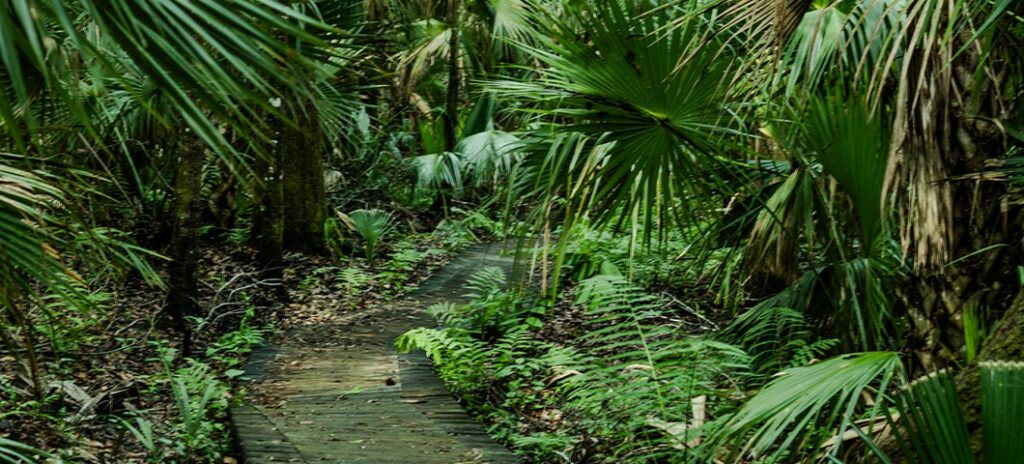
Building a Florida outdoor bucket list begins with understanding the wide variety that exists within the state’s boundaries. The Florida Park Service manages 175 state parks, spanning five distinct regions, and offers a diverse range of experiences, from underground caverns in the Panhandle to tropical hammocks in the Keys. This system has earned the National Recreation and Park Association’s Gold Medal Award four times, making it the first state park system to achieve that distinction.
North Florida delivers experiences that surprise visitors expecting only beaches and palm trees. Ichetucknee Springs State Park protects eight crystal-clear springs feeding a six-mile river designated as a National Natural Landmark. The upper portion remains the most pristine spring run in the state, best enjoyed by kayak or canoe during cooler months when crowds thin out. Further west, Florida Caverns State Park offers the rare opportunity to explore underground cave systems, one of the few places in the state where you can go beneath the surface.
Central Florida’s bucket list destinations extend far beyond the theme park corridor. The Ocala National Forest is home to some of Florida’s healthiest springs, including Juniper Springs and Alexander Springs, where the watersheds remain protected from development. Silver Springs State Park near Ocala features glass-clear water, ancient cypress trees, and wildlife, including manatees, alligators, and the famous resident rhesus monkeys. Rock Springs Run, accessible through Kelly Park, offers paddlers a journey through a designated National Wild and Scenic River system.
South Florida presents a dramatically different landscape. Jonathan Dickinson State Park in Martin County spans 16 distinct natural communities across thousands of acres, including the pristine Loxahatchee River. The Everglades ecosystem, accessible through multiple state and national park entry points, remains one of the most unique wilderness areas in North America. Bahia Honda State Park in the Keys consistently ranks among the best beach destinations in the country, with calm waters ideal for snorkeling and swimming.
When building your bucket list, consider organizing goals by region or experience type rather than trying to see everything at once. A resolution to explore one new park per month feels achievable while still pushing you beyond familiar territory. The Florida State Parks website offers a printable guide describing each park, making it easy to identify destinations that match your interests. Start with parks closest to home, then gradually expand your radius as you build confidence and discover what types of environments resonate most with you.
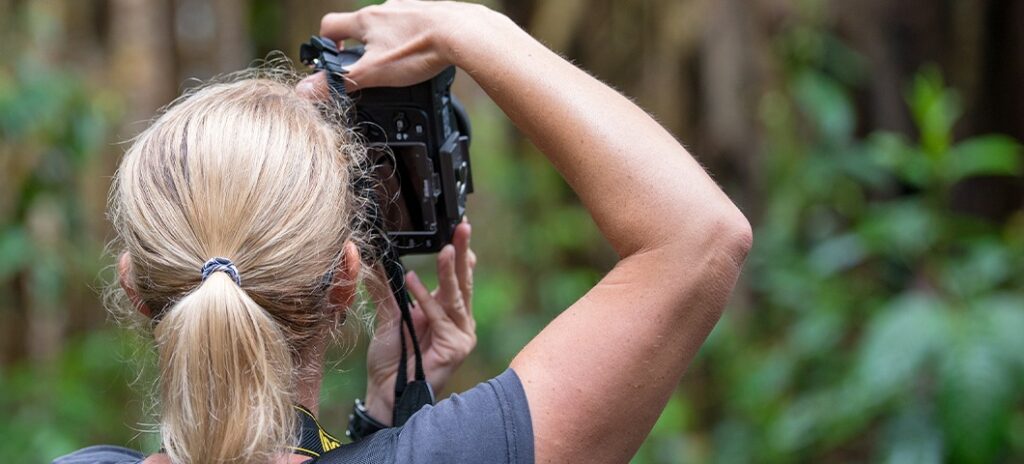
Learning a new outdoor skill can transform your experience of natural spaces. Instead of passively observing, you become an active participant in the environment. Florida’s diverse waterways and wildlife make it an ideal place to develop adventure skills that will serve you for years to come.
Kayaking ranks among the most accessible water skills to learn, and Florida’s spring-fed rivers provide forgiving conditions for beginners. Weeki Wachee Springs State Park offers a 2.8-mile paddle down crystal-clear water where the gentle current does most of the work. The river flows primarily under a shaded canopy of cypress and oak trees, keeping paddlers cool while they spot manatees, turtles, and wading birds. Rainbow Springs, Silver Springs, and Rock Springs Run provide similar beginner-friendly experiences with rental equipment available on-site or through nearby outfitters. Once you’re comfortable with bare paddling, you can progress to longer routes like the 8.5-mile journey through the Wekiva River Basin, a designated National Wild and Scenic River.
Snorkeling opens up an entirely different world, and Florida is home to the only living coral barrier reef in the continental United States. John Pennekamp Coral Reef State Park in Key Largo was the first underwater park in the United States, protecting 70 nautical square miles of the reef ecosystem. Guided snorkeling tours take visitors to shallow reef locations ranging from five to fifteen feet deep, where colorful parrotfish, angelfish, and sea turtles are common sightings. The park’s famous Christ of the Abyss statue, a nine-foot bronze sculpture resting 25 feet underwater, creates a bucket-list experience for snorkelers ready to explore deeper sites. For those not yet comfortable in open water, the springs of Central Florida offer snorkeling in calm, clear freshwater where visibility often exceeds 50 feet.
Wildlife photography requires no water skills; it simply requires patience and practice. Florida’s abundance of birds, reptiles, and marine mammals provides endless subjects for photographers at every skill level. State parks with boardwalks and observation platforms, such as Myakka River State Park and Paynes Prairie Preserve, enable photographers to observe wildlife up close without disturbing their habitats. Early morning hours typically yield the best lighting and animal activity. Begin with a smartphone camera to learn the basics of composition before investing in dedicated equipment.
The key to skill-based resolutions is starting with instruction. Most state parks offer ranger-led programs, and certified outfitters provide lessons for kayaking, paddleboarding, and snorkeling throughout the state. A single introductory session can provide a sufficient foundation for practicing independently and building confidence over time.
Outdoor fitness resolutions succeed where gym memberships often fail because they combine exercise with experiences worth repeating. Running on a treadmill requires motivation. Running a shaded trail alongside a spring-fed creek provides its own reward. Florida’s landscape supports virtually every form of outdoor exercise, from casual beach walks to challenging long-distance hiking.
The state park system alone maintains over 2,600 miles of trails, according to the Florida Department of Environmental Protection. These range from paved paths accessible to wheelchairs and strollers to rugged backcountry routes requiring navigation skills and proper gear. The Florida National Scenic Trail spans more than 1,500 miles from Big Cypress National Preserve to Gulf Islands National Seashore, offering section hikes for those not ready to tackle the entire route. Trail running has grown significantly in popularity, with state parks like Alafia River and Little Big Econ State Forest attracting runners seeking terrain more interesting than pavement.
Beach fitness provides a different kind of challenge. Soft sand increases resistance, making even a casual walk more demanding than the same distance on solid ground. Florida’s coastline stretches approximately 1,350 miles, offering endless options for beach running, yoga, and bodyweight workouts with stunning views of the ocean. Early mornings before crowds arrive offer the best conditions, with cooler temperatures and flatter sand near the waterline.
Paddling delivers a full-body workout that doesn’t feel like exercise. Kayaking and stand-up paddleboarding engage core muscles, shoulders, and back while you focus on the scenery rather than counting repetitions. An hour of moderate kayaking burns roughly 300-400 calories, comparable to jogging but considerably easier on joints. The Hillsborough County Hiking Spree, now in its tenth year, showcases how communities are developing programs centered on outdoor fitness goals, rewarding participants who complete designated trails throughout the season.
Starting your fitness resolution on January 1st has become a tradition in its own right. First Day Hikes take place at state parks across Florida, with ranger-led options at dozens of locations from the Panhandle to the Keys. These guided hikes range from short strolls to longer treks, accommodating all fitness levels while providing built-in accountability for your first outdoor workout of the year. Parks, including Jonathan Dickinson, Hillsborough River, Bahia Honda, and dozens of others, host organized events; however, any park welcomes visitors who prefer to explore independently.
The most sustainable fitness resolutions build gradually. Start with distances and intensities you can maintain comfortably, then increase as your body adapts. Florida’s mild winter weather provides ideal training conditions, allowing you to establish habits before summer heat requires schedule adjustments.
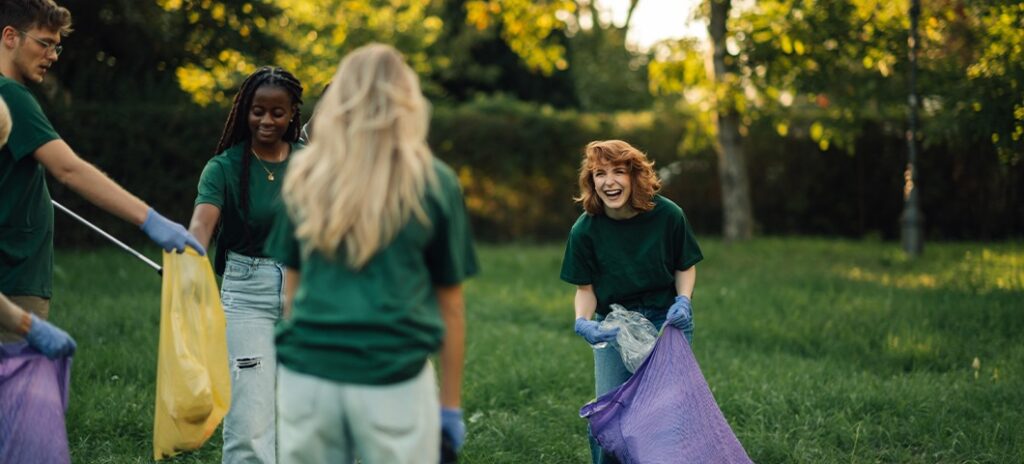
Enjoying Florida’s natural spaces comes with a responsibility to protect them. Conservation-focused resolutions create a reciprocal relationship with the outdoors, where your adventures contribute to preserving the places you love rather than simply consuming them. These commitments range from small daily habits to hands-on volunteer work that makes measurable differences.
Volunteer opportunities are available throughout Florida for individuals willing to contribute their time and effort. The Florida State Parks volunteer program coordinates beach cleanups, invasive plant removal, trail maintenance, and special events across the system. Volunteers greet visitors, conduct tours, remove exotic species threatening native habitats, and help maintain the trails and waterways that make these parks accessible. For those interested in longer commitments, campground host positions provide free campsites in exchange for 24 hours of weekly service. The Nature Conservancy’s Florida chapter offers additional opportunities, including habitat restoration, native plant installation, and preserve maintenance, at locations such as Disney Wilderness Preserve and Tiger Creek Preserve.
Beach cleanups represent one of the easiest entry points for conservation volunteering. The Florida Department of Environmental Protection coordinates community-based marine debris cleanups throughout the year, with events scheduled in nearly every coastal county. Organizations like Keep Florida Beautiful, local Surfrider chapters, and marine science centers host regular cleanup events that welcome participants of all ages. Many cleanups provide supplies and require no advance registration, making them perfect for spontaneous participation during beach visits.
Sustainable travel practices extend your conservation impact beyond the hours you volunteer. The global travel industry is responding to growing demand for eco-conscious options. According to research compiled by Radical Storage, 84% of travelers now consider sustainable travel necessary, and 75% express intentions to travel more sustainably in the coming year. Practical steps include visiting popular destinations during off-peak periods to reduce stress on ecosystems, supporting locally owned outfitters and guides, staying on designated trails to prevent erosion, and adhering to Leave No Trace principles to minimize your environmental impact.
Leave No Trace isn’t complicated, but it requires intentionality. Pack out everything you bring in, including food scraps that can alter wildlife behavior and disrupt their natural habitats. Stay on established trails even when shortcuts seem harmless. Keep respectful distances from wildlife rather than pursuing close-up encounters. These small choices compound across thousands of visitors to determine whether natural areas remain healthy for future generations.
A conservation resolution might be as simple as committing to one volunteer event per quarter or pledging to leave every trail cleaner than you found it. The specific commitment matters less than building habits that align your outdoor enjoyment with environmental stewardship.
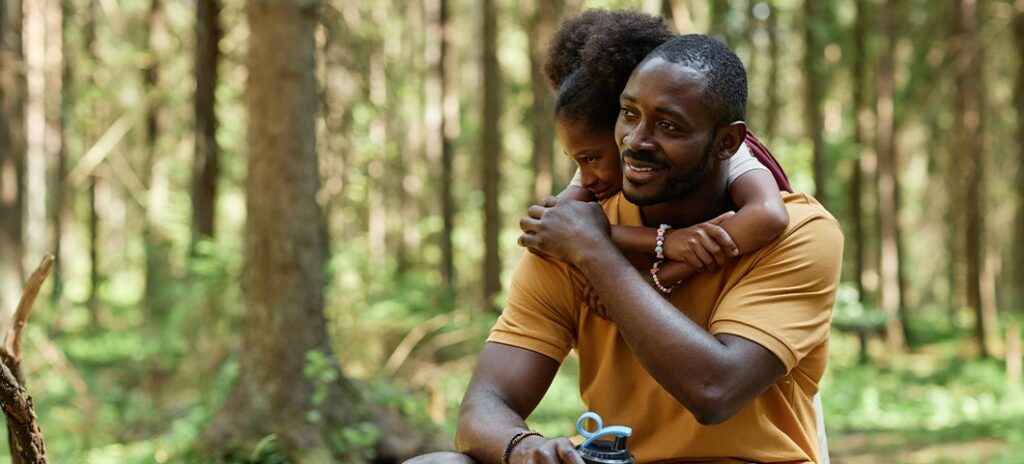
Outdoor resolutions become more meaningful when they involve the whole family. Shared nature experiences create lasting memories while instilling a sense of environmental appreciation in younger generations. Florida’s parks and natural areas offer programming specifically designed for families, making it easy to find age-appropriate adventures for children of all ages.
The Florida State Parks system caters extensively to families, offering features such as playgrounds, swimming areas, nature centers, and interactive visitor exhibits. Many parks offer Junior Ranger programs, where children complete activity booklets that explore park ecosystems, wildlife, and history. Upon completion, children earn badges and certificates that recognize their accomplishments. These programs transform passive visits into engaged learning experiences that hold children’s attention while teaching conservation principles.
For families with young children, parks featuring boardwalks and paved trails offer stroller-accessible options that still provide genuine immersion in nature. Ellie Schiller Homosassa Springs Wildlife State Park offers close encounters with manatees, black bears, and Florida panthers in a setting designed for easy family navigation. Blue Spring State Park, located near Orange City, becomes a popular gathering spot for manatees during the cooler months. The park features boardwalks and observation platforms that allow families to observe dozens of these gentle creatures without having to enter the water.
Older children and teenagers often engage more readily with skill-based activities. Guided kayak tours, snorkeling excursions, and ranger-led night hikes provide the kind of adventure that competes with screen time. Several outfitters offer family-specific tours with equipment sized for younger paddlers and guides experienced in keeping kids engaged. The Learning in Florida’s Environment (LIFE) program, coordinated through Florida State Parks, brings school groups to conservation lands for science-based environmental education. Still, families can recreate similar experiences independently using park resources and trail guides.
Setting family nature goals is most effective when children participate in the planning process. Let kids help choose destinations from the state parks guide, research wildlife they might encounter, and track which parks they’ve visited throughout the year. A family resolution to camp at three new state parks or paddle four different rivers gives everyone shared ownership of the goal while creating anticipation for upcoming adventures.
Multi-generational outings extend these benefits further. Many Florida parks offer accessible features, including beach wheelchairs, paved nature trails, and fishing piers that accommodate grandparents and family members with mobility limitations. The barrier-free nature trail at Fort De Soto Park exemplifies this inclusive approach, offering access to coastal habitats for all, regardless of physical ability.
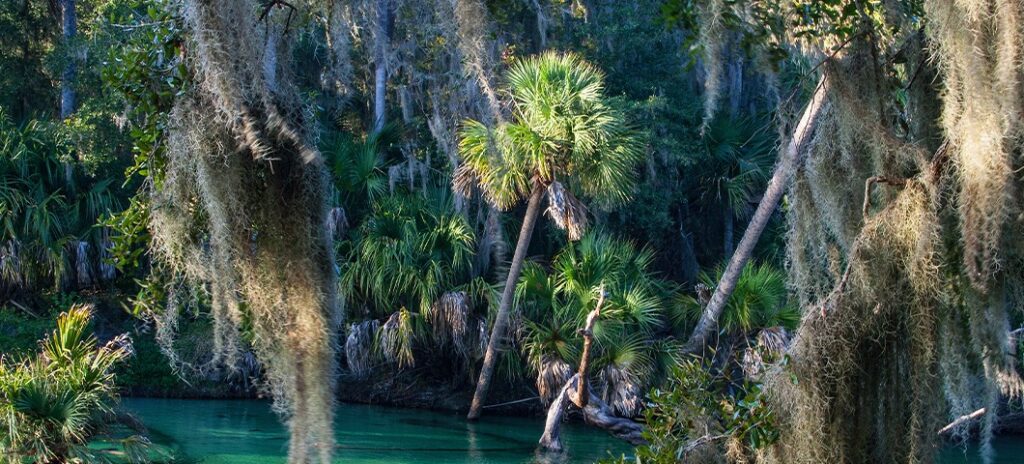
Successful outdoor resolutions benefit from seasonal planning. Florida’s subtropical climate creates distinct windows for different activities, and matching your goals to these patterns increases both comfort and wildlife viewing opportunities. A month-by-month framework helps distribute adventures throughout the year rather than cramming everything into a few busy weekends.
January launches the year with First Day Hikes at state parks across the state, providing immediate momentum for your resolution. The winter months, from January through March, offer Florida’s most comfortable hiking and camping weather, characterized by mild temperatures, lower humidity, and minimal mosquito activity. This period also marks the peak of manatee season, as these marine mammals congregate in the warm spring waters when ocean temperatures drop. Blue Spring, Crystal River, and Homosassa Springs see their highest manatee concentrations during these months.
February is officially Florida Hiking Trails Month, making it an ideal time to focus on trail-based goals. Spring arrives early in Florida, with March and April bringing wildflower blooms and a surge in migratory bird activity. Serious birders plan trips around spring migration, when warblers, tanagers, and other neotropical species pass through Florida en route to northern breeding grounds. Dry Tortugas National Park becomes a birding hotspot during the April migration peaks.
From late spring to early summer, the focus shifts toward water activities. May and June offer warm but not yet oppressive conditions for kayaking, paddleboarding, and snorkeling before the afternoon thunderstorm season fully develops. The Florida Keys maintain excellent snorkeling conditions through early summer, with calm seas and good visibility at sites like John Pennekamp Coral Reef State Park and Looe Key.
Summer demands schedule adjustments. Plan water activities and hikes for early morning hours before the heat peaks. Sea turtle nesting season runs May through October, creating opportunities to witness nest excavations or hatchling releases through permitted programs at parks like Sebastian Inlet and Canaveral National Seashore. Summer also brings bioluminescent kayaking opportunities along the Space Coast when conditions align.
Fall rejuvenates land-based adventures as temperatures moderate. October through December delivers excellent hiking weather and thinner crowds at popular parks. This season also brings unique events, including the annual Hillsborough River and Coastal Cleanup, as well as various harvest festivals at state parks with historic agricultural connections.
Building your calendar doesn’t require scheduling every weekend; it’s a gradual process. Identify two or three priority experiences per season, mark tentative dates, and remain flexible as weather and life circumstances evolve. The goal is progress, not perfection. Visiting even half the places on your list represents meaningful time spent outdoors.
For more ideas on specific activities and destinations across Florida’s diverse regions, explore our Activities and Regions to find adventures that match your interests and location.
What’s the best time of year for outdoor activities in Florida?
Florida offers year-round outdoor opportunities, but optimal timing depends on your preferred activities. The winter months, from December to March, offer the most comfortable conditions for hiking, camping, and trail running, characterized by mild temperatures and low humidity. Water activities like kayaking and snorkeling peak in late spring and early fall when water temperatures are warm, but air temperatures remain manageable. Summer requires early morning scheduling to avoid afternoon heat and thunderstorms. Manatee viewing is best from November through March when these animals gather in spring-fed waters.
How do I get started if I’ve never hiked or kayaked before?
Begin with guided experiences that provide the necessary equipment and instruction. Florida State Parks offer ranger-led hikes at various difficulty levels, and most kayak outfitters include basic paddling instruction with rentals. Choose beginner-friendly destinations for your first outings. Parks with flat, well-marked trails, such as Myakka River or Hugh Taylor Birch State Park, work well for new hikers. Spring-fed rivers like Weeki Wachee and Rainbow River offer calm, clear conditions ideal for first-time paddlers. Building confidence on easier terrain prepares you for more challenging adventures later.
Are Florida’s outdoor activities suitable for families with young children?
Absolutely. Many state parks feature nature centers, playgrounds, and short accessible trails designed for families with young children. Junior Ranger programs engage kids with age-appropriate activities that make park visits educational and interactive. Parks with swimming areas, such as De Leon Springs and Ichetucknee, combine natural experiences with activities that children naturally enjoy. For very young children, parks with boardwalks and wildlife viewing platforms provide a natural immersion experience that doesn’t require long hikes or advanced physical abilities.
How much does it cost to visit Florida State Parks?
Most Florida State Parks charge vehicle entrance fees ranging from $4 to $8 per vehicle for up to eight passengers. Pedestrians and cyclists typically pay $2 to $4. For frequent visitors, the Florida State Parks Annual Pass offers unlimited entry to all parks for $60 per individual or $120 per family, making it economical for anyone planning more than eight to ten visits annually. Camping, cabin rentals, and equipment rentals incur additional fees that vary by park and type of accommodation.
What should I bring on my first state park visit?
Essential items include water, sunscreen, insect repellent, and sturdy closed-toe shoes. Florida’s sun is intense year-round, so a hat provides additional protection. Bring a printed or downloaded trail map since cell service is unreliable in many parks. Pack snacks for more extended visits and a small first aid kit for minor scrapes or blisters. During summer months, rain gear or a plan for shelter helps you manage afternoon thunderstorms that develop quickly.
