


Florida Eco-Tours in Spring: Best Sustainable Adventures and Guided Nature Experiences
Spring in Florida is not just a seasonal shift. It is a transformation of landscapes, wildlife activity, and outdoor accessibility. Wetlands fill with migratory birds tracing the Atlantic Flyway, coastal waters warm without the intensity of summer crowds, and native wildflowers bloom across trails and protected preserves. Rivers run clear beneath longer daylight hours, and estuaries pulse with renewed marine life as ecosystems move into one of their most active cycles of the year.
For travelers looking beyond theme parks and crowded beaches, spring offers something more intentional. This is the season to slow down, to paddle quietly through mangrove tunnels, to follow a naturalist along a shaded boardwalk, or to witness wildlife in habitats that feel undisturbed and alive. Guided nature tours Florida operators provide during spring combine immersive wildlife encounters, hands-on learning, and low-impact exploration that prioritizes conservation. From kayaking spring-fed rivers to hiking through coastal preserves, Florida eco tours in spring deliver eco-friendly activities Florida adventure with purpose. These experiences support sustainable tourism in Florida initiatives that protect sensitive ecosystems while giving visitors meaningful access to the landscapes that define the state’s natural heritage.
What Makes Eco-Tours Sustainable: Understanding Responsible Nature Tourism in Florida
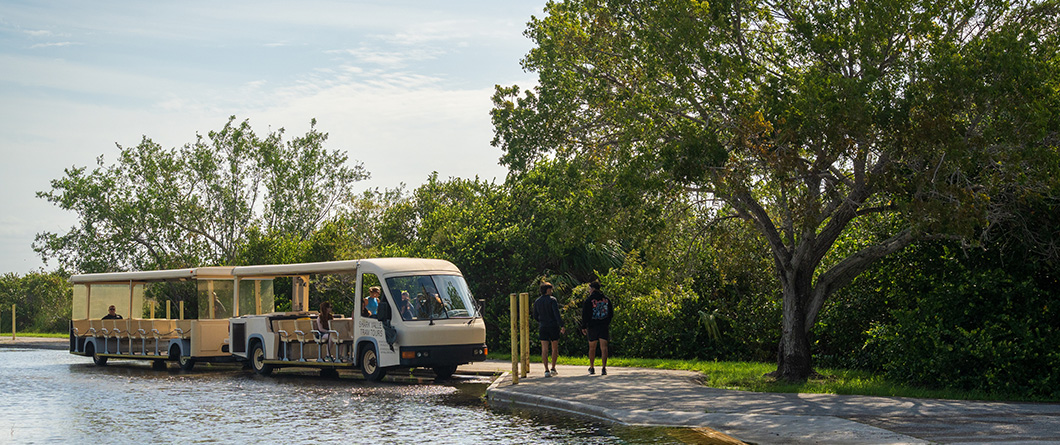
Florida’s ecosystems are remarkably diverse, but they are also deeply interconnected and sensitive to disruption. Freshwater springs depend on aquifer health, coastal mangroves protect shorelines from erosion, and wetlands serve as critical nurseries for fish and migratory birds. Sustainable Florida eco tours are structured around this ecological reality. Rather than simply offering scenic access, responsible nature tourism in Florida prioritizes habitat protection, wildlife stewardship, and long-term environmental resilience. These tours represent a commitment to sustainable outdoor activities Florida that balance exploration with ecosystem integrity.
Across the state, conservation-focused operators demonstrate what this commitment looks like in practice. At Babcock Ranch in Southwest Florida, eco tours operate within a working landscape that emphasizes land stewardship and wildlife education. In Wakulla County, community-led eco-tourism initiatives promote sustainable travel practices that protect rivers, forests, and coastal habitats. County-level environmental programs, such as guided nature tours offered through St. Lucie County’s environmental resources department, integrate ecological interpretation into every outing.
Impact reduction is central to this framework. Reputable guided nature tours in Florida limit group sizes, enforce wildlife viewing distances, and adjust routes during sensitive breeding or nesting periods. Coastal eco tours emphasize low-wake boating practices and estuary protection. Marine-focused operators highlight responsible wildlife interaction and education about fragile coastal ecosystems. Education completes the sustainability model, Florida’s eco-tour landscape includes interpretive hikes, wildlife safaris, spring paddling excursions, and ranger-led environmental programs that explain aquifer systems, habitat restoration, and biodiversity conservation. This understanding transforms recreation into stewardship and ensures that conservation tours Florida remain aligned with long-term environmental protection.
Top Eco-Tour Operators in Florida: Certified Sustainable and Conservation-Focused Companies
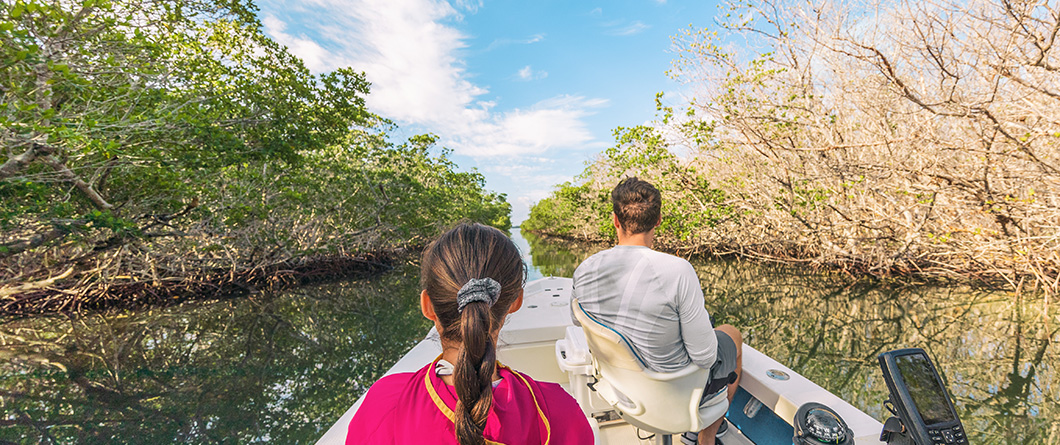
Florida’s eco-tour operators reflect the diversity of the state’s landscapes. The most reputable Florida eco tours operate within clearly defined conservation frameworks, often in partnership with public lands, wildlife refuges, or county environmental programs. Sustainable tourism in Florida depends on operators who prioritize environmental stewardship over high-volume recreation.
In Southwest Florida, Babcock Ranch Eco Tours operates across more than 90,000 acres of conserved land that supports native wildlife and watershed systems. Along the coast, operators in Daytona Beach and Wakulla County focus on estuarine systems and spring-fed waterways, promoting low-impact boating and regulated wildlife viewing. Marine-focused companies, including Florida Island Tours, operate within ecosystems shaped by tidal flow, mangrove root systems, and seagrass beds. The Florida Keys National Marine Sanctuary protects more than 2,900 square nautical miles of marine habitat under federal management. Inland, county-led programs such as St. Lucie County’s guided nature initiatives integrate structured environmental interpretation aligned with public land management standards. Across regions, top eco-tour operators in Florida are distinguished by compliance with conservation regulations, seasonal route adjustments, and structured environmental education.
Guided Kayak and Paddling Eco-Tours: Exploring Florida’s Waterways Sustainably
Florida’s paddling season follows a different rhythm than much of the country. While northern rivers remain cold into early spring, Florida’s spring-fed waterways and coastal estuaries offer comfortable conditions for extended time on the water. Moderate temperatures and increased wildlife activity make spring one of the most favorable seasons for guided kayak eco tours throughout the state.
North Florida’s freshwater systems are central to the state’s eco-paddling landscape. Wakulla Springs, recognized as one of the largest and deepest freshwater springs in the world, feeds the Wakulla River, which flows through cypress swamps sustained by the Floridan Aquifer. Guided tours in this region frequently observe wading birds, turtles, and seasonal manatee movement. The Ichetucknee River, located within Ichetucknee Springs State Park, maintains a consistent temperature year-round due to its spring source.
In Central Florida, Wekiwa Springs State Park near Orlando and Silver Springs State Park near Ocala provide access to spring-fed rivers bordered by sandhills and hardwood hammocks. Along the Atlantic coast, the Indian River Lagoon stretches approximately 156 miles and is widely recognized as one of the most biologically diverse estuaries in North America. Guided paddling tours in areas such as St. Lucie County navigate mangrove shorelines and seagrass beds that serve as essential nursery habitat.
On the Gulf Coast, Crystal River and the Homosassa River connect freshwater springs to coastal marsh systems and are known for seasonal manatee presence under Florida Fish and Wildlife Conservation Commission regulations. Further south, Everglades National Park offers guided canoe and kayak routes such as Nine Mile Pond and the Turner River, winding through freshwater marsh and mangrove ecosystems within the largest subtropical wilderness in the United States. Spring paddling requires layered clothing, sun protection, hydration, and awareness of tidal schedules and wildlife regulations.
What Are the Best Spring Kayak Eco-Tour Destinations in Florida?
The best spring kayak eco-tour destinations in Florida include Wakulla Springs, Ichetucknee Springs State Park, Wekiwa Springs State Park, Silver Springs State Park, the Indian River Lagoon, Crystal River, and Everglades National Park. Each offers low-impact, guided paddling through aquifer-fed rivers, cypress swamps, mangrove shorelines, or subtropical marsh ecosystems during peak spring wildlife activity.
Wakulla Springs feeds a river flowing through cypress swamps sustained by the Floridan Aquifer. The Indian River Lagoon stretches approximately 156 miles as one of the most biologically diverse estuaries in North America. Crystal River and the Homosassa River provide seasonal manatee encounters under Florida Fish and Wildlife Conservation Commission regulations. Everglades National Park routes such as Nine Mile Pond and the Turner River wind through the largest subtropical wilderness in the United States.
Wildlife Viewing Eco-Tours: Bird Watching, Manatee Encounters, and Marine Life Experiences
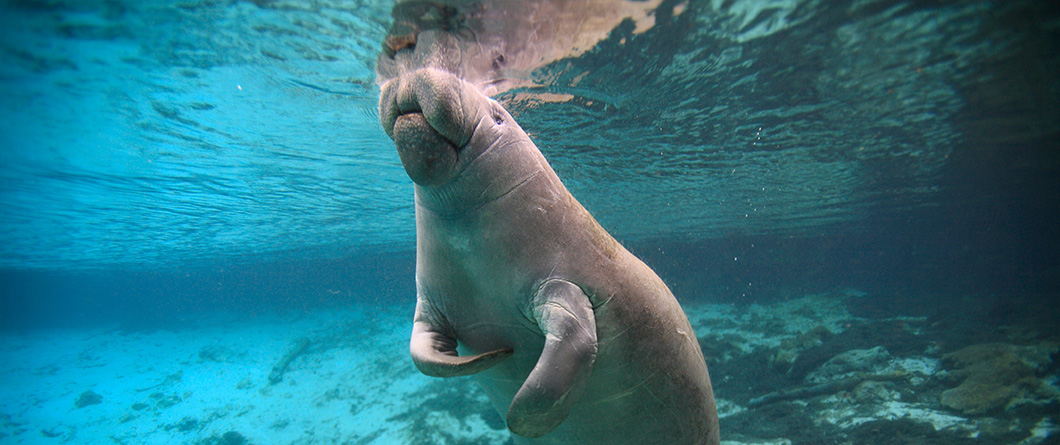
Spring marks a period of heightened wildlife activity across Florida’s coastal marshes, inland wetlands, and subtropical preserves. As temperatures stabilize and daylight increases, breeding behavior intensifies and migratory species move through transitional habitats. Guided wildlife eco-tours during this season often focus on estuarine systems and protected inland corridors where seasonal overlap produces concentrated viewing opportunities.
On Florida’s northeast coast, Guana Tolomato Matanzas National Estuarine Research Reserve protects more than 76,000 acres of tidal marsh, mangrove habitat, and uplands between Jacksonville and St. Augustine. In Southwest Florida, Corkscrew Swamp Sanctuary safeguards approximately 13,000 acres of wetlands and old-growth bald cypress forest, including one of the largest remaining stands in North America. The sanctuary’s elevated boardwalk allows guided observation of wood storks, limpkins, barred owls, and seasonal wading bird rookeries without disturbing nesting areas.
Further inland, Lake Kissimmee State Park supports dry prairie and floodplain ecosystems providing habitat for sandhill cranes, bald eagles, and white-tailed deer. In the Panhandle, St. Marks National Wildlife Refuge, established in 1931, protects coastal marsh and pine flatwoods serving as critical stopover habitat for migratory birds. Marine wildlife viewing expands near Charlotte Harbor, one of the largest natural harbors in Florida and a designated estuary of national significance, where guided eco-tours incorporate education about seagrass preservation and water quality restoration.
Spring wildlife viewing requires heightened awareness of seasonal protections. Nesting colonies may trigger buffer zones, and certain trails or waterways may close temporarily to protect breeding species. Maintaining distance and adhering to posted refuge regulations remain legal and ethical responsibilities.
Where Can You See Wildlife on Florida Eco-Tours in Spring?
Top spring wildlife viewing destinations in Florida include Guana Tolomato Matanzas National Estuarine Research Reserve, Corkscrew Swamp Sanctuary, Lake Kissimmee State Park, St. Marks National Wildlife Refuge, and Charlotte Harbor. These sites concentrate migratory bird movement, breeding activity, and marine life across estuarine systems and protected inland corridors during spring’s peak ecological activity.
Guana Tolomato Matanzas protects more than 76,000 acres of tidal marsh and mangrove habitat. Corkscrew Swamp Sanctuary safeguards approximately 13,000 acres including old-growth bald cypress. St. Marks National Wildlife Refuge, established in 1931, serves as critical Gulf Coast flyway stopover habitat. Charlotte Harbor is a designated estuary of national significance with dolphin sightings during transitional tidal cycles. Nesting colonies may trigger seasonal buffer zones, and certain waterways may close temporarily to protect breeding species.
Hiking and Nature Walk Eco-Tours: Guided Trails Through Florida’s State Parks and Preserves
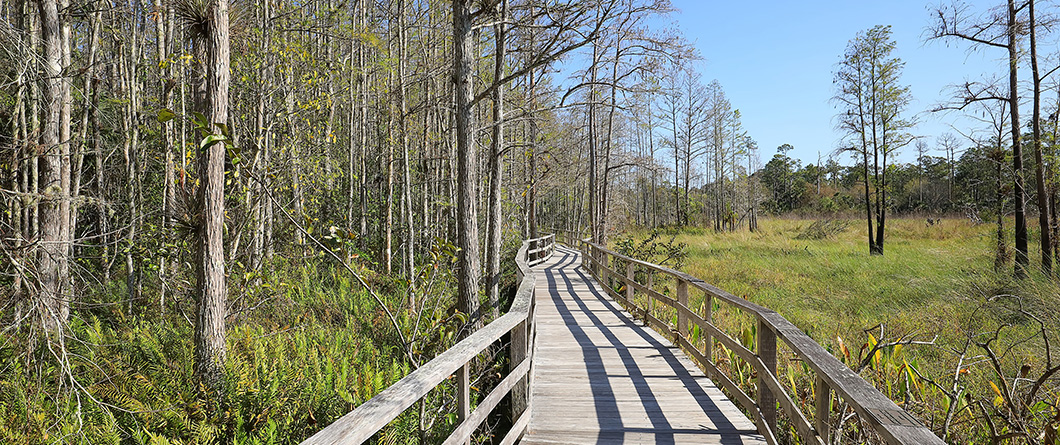
Florida’s hiking season differs from much of the country, with spring offering some of the most comfortable trail conditions of the year. Moderate temperatures, lower humidity compared to peak summer months, and reduced afternoon storm activity create favorable conditions for guided nature walks and interpretive hikes.
In Central Florida, Ocala National Forest encompasses more than 600 square miles of protected land with sections of the Florida National Scenic Trail passing through sand pine scrub, longleaf pine ecosystems, and spring-fed waterways. Further west, Fakahatchee Strand Preserve State Park, the largest state park in Florida at over 85,000 acres, protects rare ghost orchids and diverse swamp ecosystems.
Along the Gulf Coast, Myakka River State Park supports expansive wetlands with elevated boardwalk access for guided wildlife interpretation. In North Florida, Torreya State Park near the Apalachicola River protects Torreya taxifolia, one of the most endangered conifer species in North America. Near Miami, Oleta River State Park combines mangrove-lined trails with coastal hammock ecosystems, while Hillsborough River State Park in the Tampa Bay region protects Class II river rapids and riparian forest habitat.
Spring hiking requires preparation. Trail surfaces may shift from dry to muddy following seasonal rainfall, and temperature swings between morning and midday can exceed 30 degrees in some regions. Closed-toe footwear, layered clothing, and hydration are essential. Eco hiking tours Florida experiences ensure trail use aligns with conservation goals.
Educational Eco-Tours: Learning About Conservation, Ecosystems, and Florida’s Natural Heritage
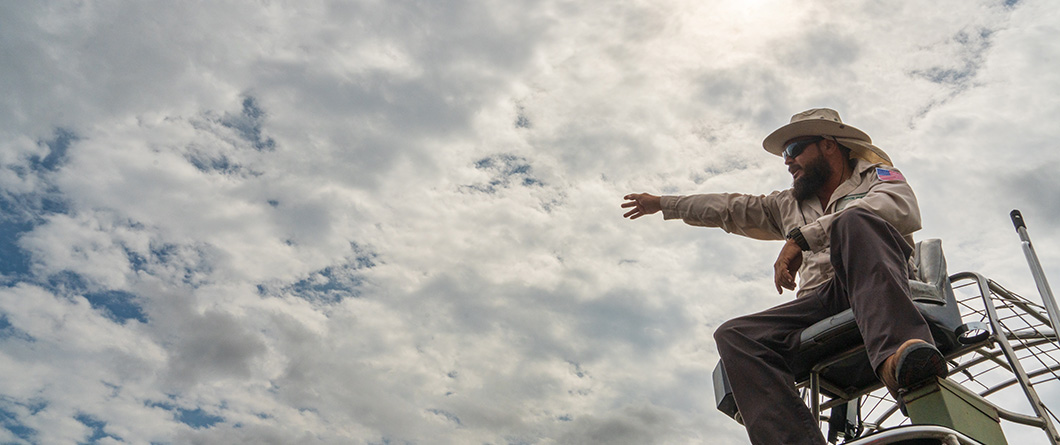
Florida’s eco-tour landscape is built on more than scenery. Many guided experiences are intentionally structured to explain how the state’s ecosystems function, how they are protected, and how public policy shapes access to natural areas. Spring enhances this educational dimension as ecological processes become visible rather than abstract.
In Central Florida, programs connected to the Kissimmee River Restoration Project illustrate how landscape-scale intervention can reverse decades of ecological disruption. Once channelized for flood control, sections of the Kissimmee River have been restored to a more natural, meandering flow, reestablishing more than 40 square miles of floodplain habitat. Along the Gulf Coast, the Apalachicola National Estuarine Research Reserve focuses on estuarine science, oyster reef ecology, and coastal resilience.
Further south, ranger-led programs within Everglades National Park explore the hydrology that defines the “River of Grass.” The Everglades depends on slow-moving sheet flow from Lake Okeechobee to Florida Bay, and guided educational tours explain how water management decisions affect marsh vegetation, wildlife nesting, and downstream estuaries. Within Ocala National Forest, guided programs focus on prescribed fire as a conservation tool essential for maintaining longleaf pine plant diversity.
What Do Educational Eco-Tours in Florida Teach About Conservation?
Educational eco-tours in Florida teach visitors about ecosystem function, habitat restoration, water management, and prescribed fire through hands-on, ranger-led and naturalist-guided programs. These environmental tours Florida experiences connect seasonal observations, rising water levels, wildflower blooms, bird migration, to the science of conservation across wetland, estuarine, and upland forest systems.
The Kissimmee River Restoration Project has reestablished more than 40 square miles of floodplain habitat by restoring channelized river sections to natural meandering flow. The Apalachicola National Estuarine Research Reserve examines freshwater inflow and salinity dynamics sustaining marine nurseries. Everglades National Park programs explain how sheet flow from Lake Okeechobee to Florida Bay affects marsh vegetation and wildlife nesting. Ocala National Forest programs demonstrate prescribed fire as essential for longleaf pine diversity. Spring’s visible ecological transitions reinforce that Florida’s natural heritage is sustained through coordinated stewardship at local, state, and federal levels.
Regional Eco-Tour Guide: Best Sustainable Adventures by Florida Region (Central, North, South)
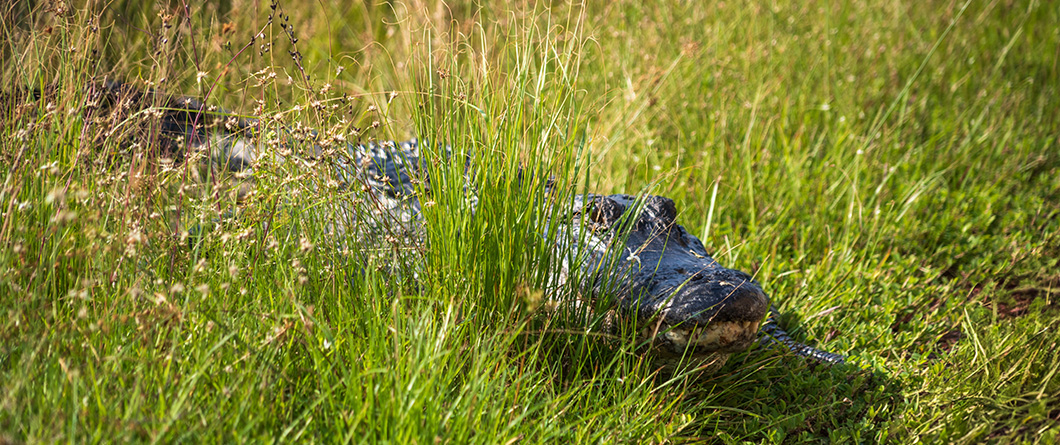
Florida’s eco-tour experiences shift dramatically by geography. The state’s northern forests, central spring systems, and southern wetlands are shaped by different water sources, land management strategies, and conservation priorities. Spring enhances these contrasts, as migratory routes intersect with breeding seasons and seasonal water levels influence both wildlife movement and trail conditions.
North Florida’s Apalachicola National Forest covers more than 600,000 acres shaped by prescribed fire management. Guided river excursions along the Wakulla River move through cypress-lined corridors, and St. Marks National Wildlife Refuge protects critical Gulf Coast flyway stopover habitat.
Central Florida’s restored Kissimmee River floodplain reconnects more than 40 square miles of wetland habitat. Ocala National Forest spans more than 600 square miles of spring runs, sand pine scrub, and hardwood hammocks. The Indian River Lagoon, stretching roughly 156 miles, supports estuarine paddling tours emphasizing seagrass preservation and marine nursery protection.
South Florida’s Big Cypress National Preserve encompasses more than 729,000 acres of freshwater swamp. Everglades National Park safeguards approximately 1.5 million acres under federal conservation mandates. The Ten Thousand Islands region forms critical fish and bird habitat influenced by tidal flow.
What Are the Best Eco-Tour Regions in Florida for Spring?
Florida’s three main eco-tour regions, North, Central, and South, each offer distinct spring experiences. North Florida features freshwater rivers and longleaf pine forests across more than 600,000 acres of Apalachicola National Forest. Central Florida combines spring-fed waterways with the restored Kissimmee River floodplain and the 156-mile Indian River Lagoon. South Florida presents subtropical wetlands across Big Cypress National Preserve and Everglades National Park.
Big Cypress encompasses more than 729,000 acres of freshwater swamp. Everglades National Park safeguards approximately 1.5 million acres under federal conservation mandates. The Ten Thousand Islands region consists of hundreds of mangrove islets forming critical fish and bird habitat. Across all regions, sustainable eco-tourism in Florida is shaped by watershed protection, wildlife regulation, and habitat management tailored to local ecosystems. Selecting regionally appropriate experiences ensures that recreation supports the conservation frameworks that sustain Florida’s diverse landscapes.
Planning Your Spring Eco-Tour: What to Expect, Bring, and How to Choose the Right Experience
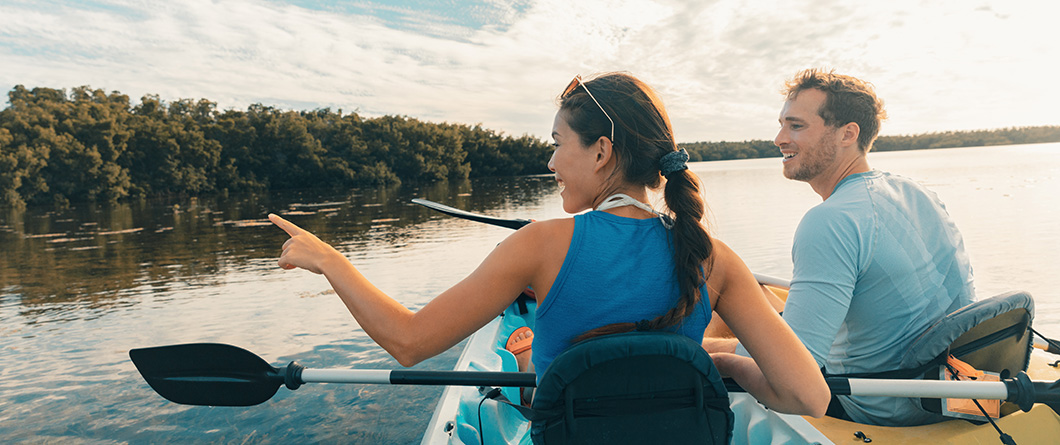
Successful spring eco-tourism in Florida requires preparation that accounts for both seasonal variability and ecosystem sensitivity. Popular preserves, coastal refuges, and spring systems see increased visitation during this window. Advance reservations for guided kayak tours, wildlife excursions, and ranger-led programs are strongly recommended, particularly on weekends and school breaks.
Plan around wildlife cycles. Spring often coincides with nesting seasons that may result in temporary area closures or buffer distances around nesting sites. Pack with variability in mind, morning temperatures can begin in the 50s or 60s before rising into the 70s or 80s by afternoon. Lightweight layers, closed-toe footwear, sun protection, and reef-safe sunscreen are essential. Hydration is critical during longer hikes or paddling excursions.
Follow established environmental ethics. The Leave No Trace Seven Principles provide a widely recognized framework for minimizing outdoor impact. Wildlife regulations are enforceable law, not recommendations. Feeding or harassing protected species such as manatees, sea turtles, or nesting shorebirds is prohibited under both Florida law and federal wildlife protection statutes.
Early morning departures offer the most active wildlife viewing and coolest trail conditions. Weekdays typically see lower visitation. Checking tide charts before coastal paddling trips and monitoring weather forecasts reduces the risk of unexpected changes.
Frequently Asked Questions About Florida Eco-Tours and Sustainable Nature Adventures
What actually makes a Florida eco-tour different from a regular tour?
An eco-tour in Florida is a guided outdoor experience designed to minimize environmental impact while promoting conservation and environmental education. Unlike standard recreational tours, eco-tours follow wildlife protection laws, limit group sizes, and often operate within protected lands such as state parks, national wildlife refuges, and marine sanctuaries.
What weather conditions should I expect during a spring eco-tour?
Spring temperatures in Florida typically range from the upper 60s to low 80s depending on the region. Mornings may feel cool, while afternoons warm quickly. Coastal areas may experience shifting winds and tidal changes. Check local forecasts and tide charts before coastal tours.
What time of day is best for wildlife-focused eco-tours?
Early morning and late afternoon typically offer the highest wildlife activity, particularly for birdwatching and estuarine tours. Cooler temperatures during these periods also improve comfort for hiking and paddling.
What are the Leave No Trace principles?
The Leave No Trace Seven Principles provide guidance for responsible outdoor recreation, including planning ahead, staying on durable surfaces, disposing of waste properly, respecting wildlife, and minimizing environmental impact. In Florida’s sensitive spring systems, coastal habitats, and protected wildlife areas, following these principles helps preserve ecosystems for future visitors.
Are there rules I need to follow when viewing wildlife?
Yes. Florida law prohibits harassing, feeding, or disturbing protected species such as manatees, nesting sea turtles, and certain shorebirds. Wildlife refuges and state parks may enforce seasonal buffer zones or temporary closures. Always follow your guide’s instructions and posted regulations.
