


Horseback Riding in Florida: Trail Rides and Equestrian Adventures
Florida is one of the few places in the country where you can ride a horse along an Atlantic shoreline in the morning and through a centuries-old cypress hammock by afternoon. The state’s sheer variety of terrain, from coastal dunes and open prairie to dense flatwoods and spring-fed river corridors, gives riders a range of experiences that most equestrian destinations simply can’t match. Add in mild winters, a deeply rooted horse culture, and one of the most developed networks of public equestrian trails in the Southeast, and it’s easy to see why riders from across the country make Florida a regular destination.
What makes horseback riding in Florida particularly compelling for nature lovers is how much of it happens inside protected land. Trail systems wind through state forests, wildlife management areas, and conservation corridors that can only be explored on foot or from the saddle. That access to genuinely wild habitat, where white-tailed deer, gopher tortoises, wading birds, and the occasional alligator are part of the scenery, is what separates a Florida trail ride from a purely recreational activity. It’s an immersive way to experience the state’s natural ecosystems at a pace that lets you actually take them in.
Whether you’re planning your first guided ride, trailering your own horse to one of Florida’s state park equestrian campgrounds, or simply looking for the best place to saddle up on your next visit, this guide covers the full picture. From the horse farms of Ocala and the canopy roads of North Florida to the beach rides of the Treasure Coast and the multi-day trails of the Nature Coast, Florida’s horseback riding scene has far more depth than most visitors expect.
Why Florida is Perfect for Horseback Riding: Climate, Terrain, and Trail Variety
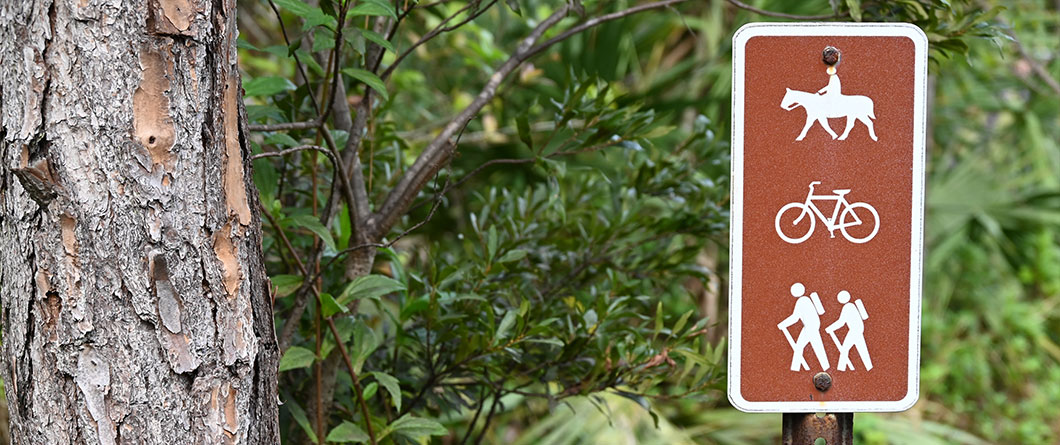
Florida ranks third in the nation for equestrian activities, trailing only California and Texas, according to a 2023 ranking by Lawn Love that evaluated states across 27 metrics, including riding trails, equestrian programs, boarding facilities, and horse shows. That standing reflects something riders who’ve explored the state already know: Florida offers a combination of climate, landscape diversity, and equestrian infrastructure that few states can match.
The climate is a major draw. Mild winters make trail riding comfortable when much of the country is frozen out of the saddle, and the broad network of shaded forest trails helps manage the heat during warmer months. Most guided outfitters operate year-round, with morning rides recommended during summer and open-schedule riding available through the cooler fall and winter months. For snowbirds and visitors alike, Florida’s riding season has no real off-switch.
Terrain variety is the other standout. A single state ride can take you through pine flatwoods, hardwood hammocks, cypress swamps, open prairies, and coastal shoreline, depending on where you saddle up. North Florida delivers canopy roads and dense forest trails under arching live oaks. Central Florida’s Ocala region offers everything from shaded hammock rides to open ranch land. Coastal routes along Amelia Island and Fort Pierce let riders work up to the water’s edge. That range means riders of every preference and skill level can find something that suits them.
The state’s equine infrastructure supports it all. Florida is home to 335,000 horses across 561,000 acres of equine land, and the equine industry as a whole contributes $12.8 billion to the state’s economy, according to the American Horse Council Foundation’s 2023 Equine Economic Impact Study. That scale translates directly into trail access, guided outfitters, equestrian campgrounds, and well-maintained staging areas that riders can count on across every region of the state.
How Large Is Florida’s Equine Industry?
Florida is home to 335,000 horses, making it the third-largest equine state by population in the country, behind only Texas and California. The equine industry contributes $12.8 billion to the Florida economy and supports more than 112,000 jobs statewide, according to the American Horse Council Foundation’s 2023 Equine Economic Impact Study. One in five Florida households participates in equine activities in some form.
Best State Parks for Horseback Riding: Equestrian-Friendly Trails Across Florida
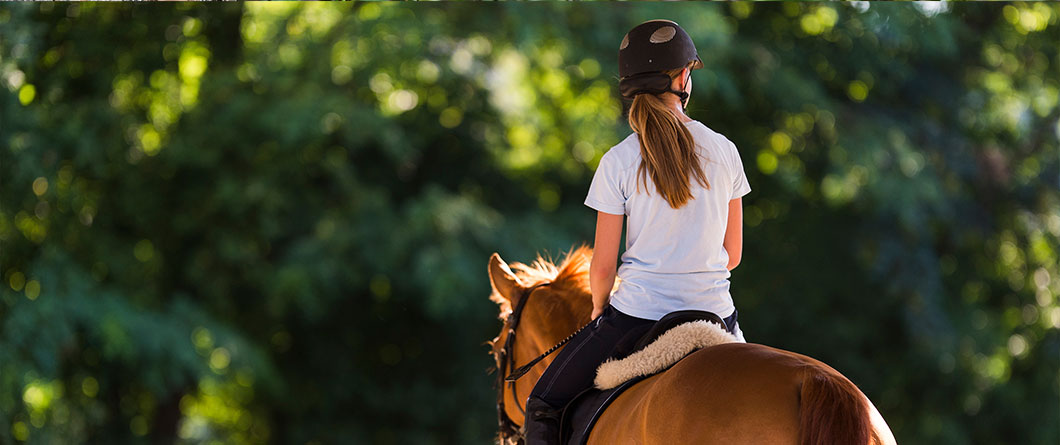
Florida’s state park system is one of the most equestrian-friendly in the country, with designated horse trails, dedicated staging areas, and overnight equestrian campsites spread across dozens of parks and preserves. Riders trailering their own horses will find that most major parks offer horse trailer parking, mounting blocks, water troughs, and hitching posts at trailheads. Nearly all require proof of a current negative Coggins test for each horse, so it’s worth having that paperwork in order before you go.
The Cross Florida Greenway stands out as the crown jewel for state park riding. With over 80 miles of equestrian trails winding through a corridor of ecologically diverse landscapes, it offers everything from easy two-track woods trails to more challenging single-track routes over terrain shaped by the old Gulf-Atlantic Ship Canal diggings of the 1930s. Named trailheads like Ross Prairie, Santos, Shangri-la, and Inglis Island each offer their own character and setting. Riders who don’t bring their own horses can book a guided ride through Cactus Jack’s Trail Rides, the state-designated concessionaire at the Landbridge Trailhead.
Colt Creek State Park in Lakeland is another strong option for Central Florida riders. The park’s 15 miles of multi-use trails wind through mesic flatwoods and hydric hammocks, crossing creeks and passing three lakes along the way. Park entry is $4 per vehicle with no additional fee for horses, and equestrian campsites are available for overnight stays. The sites include water, fire pits, and troughs, making it a practical base for a full weekend of riding.
Little Manatee River State Park near Ruskin offers 15 miles of equestrian trails along one of Florida’s designated Outstanding Florida Water rivers, with four equestrian campsites that each feature two horse stalls. Cedar Key Scrub State Reserve adds another 12 miles of trail through open sandhill terrain, pine scrub, and palmetto flats. Wildlife viewing on horseback is a genuine draw at Cedar Key, where bald eagles, red-tailed hawks, white-tailed deer, and gopher tortoises are regular trail companions.
For riders looking beyond state parks, Florida’s state forests managed by the Florida Department of Agriculture and Consumer Services also open their trail systems to equestrians, often with fewer crowds and a more remote riding experience. Goethe State Forest, Withlacoochee State Forest, and Osceola National Forest are among the most popular options in this category.
Guided Horseback Trail Rides: Top Ranches and Tour Operators by Region
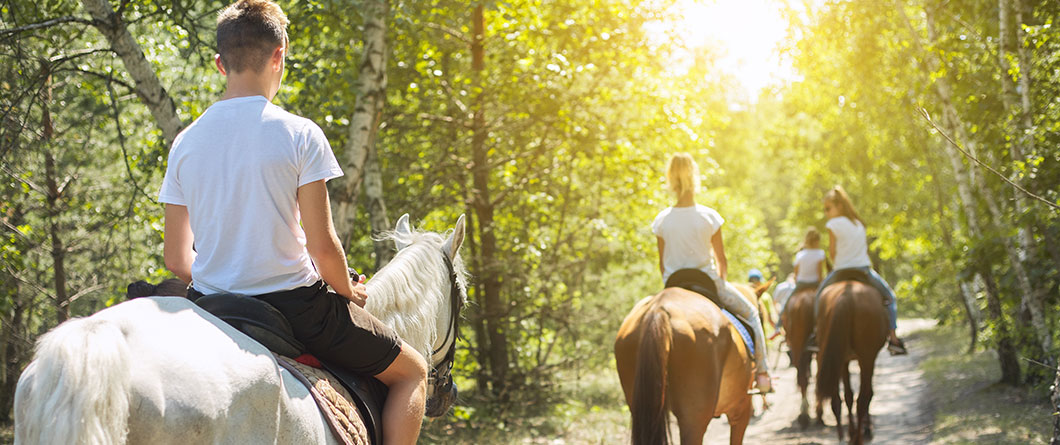
For riders who don’t own a horse or prefer a guided experience, Florida has a well-developed network of outfitters operating across the state. Most provide horses matched to each rider’s experience level and body weight, lead groups along designated trail systems through protected natural areas, and share information about local wildlife and ecosystems along the way. That combination of adventure and environmental awareness is part of what makes guided rides in Florida feel like more than just a leisure activity.
In Central Florida, Cactus Jack’s Trail Rides operates as the state-designated concessionaire at the Cross Florida Greenway’s Landbridge Trailhead near Ocala, offering one-, 1.5-, and two-hour guided rides through shaded forest hammocks and native wildflower corridors. A portion of their proceeds supports trail upkeep on the Greenway. Rock Springs Guest Ranch in Sorrento offers guided trail rides for all skill levels, along with sunset rides, private group options, and youth programs. Hidden Palms Ranch in Seminole County runs private guided rides through the Lake Jesup Conservation Area, where eagle, osprey, and hawk sightings are a regular part of the experience.
Northeast Florida offers some of the most visually dramatic guided ride settings in the state. Equestrian Adventures of Florida serves Flagler, Volusia, and Orange Counties with beach and forest trail rides through state parks and preserves, accommodating groups of up to six riders per session. On Amelia Island, multiple outfitters, including Kelly Seahorse Ranch, offer guided beach rides along the island’s shoreline and can accommodate riders of varying skill levels, including children as young as six, according to Visit Florida.
Southwest Florida brings its own flavor to the guided ride experience. Myakka River Trail Rides in Myakka City guides riders through open countryside fields and shaded oak paths on a working ranch, with an emphasis on pairing beginner and experienced riders alike with well-matched horses. For the Fort Pierce area on Florida’s Treasure Coast, Tours on Horseback of Fort Pierce runs weekend beach eco-tours along the Atlantic shoreline at Frederick Douglass Memorial Park, where riders frequently spot dolphins, manatees, sea turtles, and coastal birds during their hour-long rides.
What sets the best Florida outfitters apart is their authentic connection to the land they ride. Many operate within or adjacent to protected conservation areas, which keep group sizes small, limit environmental impact, and ensure the wildlife riders encounter is genuinely wild. For visitors looking to explore Florida’s natural ecosystems in a way that goes well beyond a standard trail walk, a guided horseback ride delivers a perspective that’s hard to replicate on foot.
How Much Does a Guided Horseback Ride Cost in Florida?
Guided horseback trail rides in Florida typically range from $80 to $120 per person for a one- to two-hour ride, depending on the operator and location. Hidden Palms Ranch in Seminole County charges $95 per person for a one-hour group ride through the Lake Jesup Conservation Area, while Orange Blossom Trail Rides in Dunnellon prices one- to 1.5-hour rides through Goethe State Forest at $80 per person and two- to 2.5-hour rides at $120 per person. Most outfitters require advance reservations and match each rider to a horse based on experience level and weight.
Central Florida Horseback Riding: Popular Trails and Equestrian Adventures
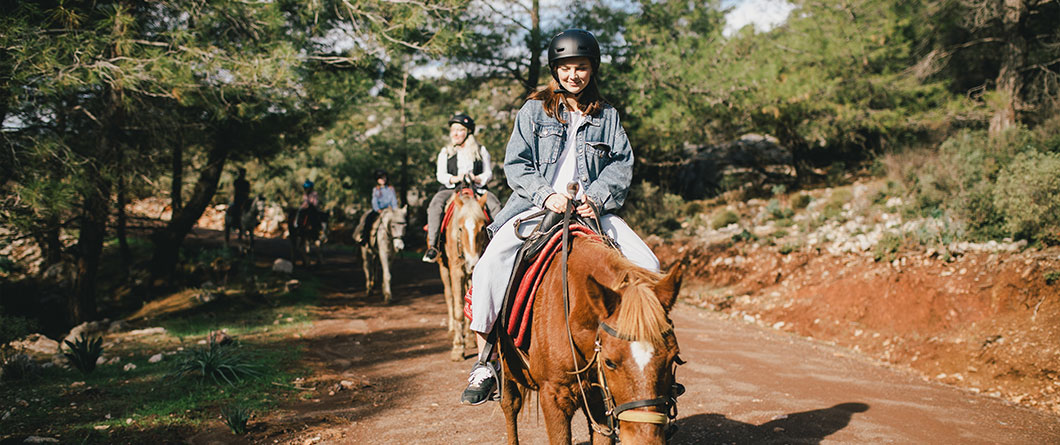
No conversation about horseback riding in Florida is complete without spending time in Ocala. Marion County earned the trademarked title of Horse Capital of the World in 2001, and the designation is backed by real numbers. Marion County holds more horses and ponies than any other county in the United States, with 75,000 horses, nearly half of which are Thoroughbreds, according to the American Horse Council Foundation’s 2023 Equine Economic Impact Study. That horse density translates directly into trail access, guided outfitters, and an equestrian culture that riders can feel the moment they arrive.
For trail riders, the Ocala area offers options hard to match anywhere else in the state. The Ocala National Forest offers miles of sandy single- and double-track trails winding through scrub, flatwoods, and open forest, with access points spread across its nearly 400,000 acres. The Cross Florida Greenway, which runs through the heart of Marion County, connects riders to over 80 miles of equestrian trails across ecologically varied terrain, including the rolling canal diggings that create unusual elevation changes rare in Florida’s otherwise flat landscape. Hitching Post Trails, located just steps from the Greenway, adds another 100-plus miles of riding options for those looking to extend their time in the saddle.
Beyond Ocala, Central Florida’s equestrian scene extends south and east in ways that often surprise visitors. Westgate River Ranch in Osceola County sits on a sprawling stretch of protected wetlands in the heart of Florida’s cattle country, offering guided trail rides through genuine wilderness and independent riding for experienced equestrians. Lake Louisa State Park in Clermont runs guided trail rides 365 days a year, with one- and two-hour options covering three to six miles of trail through varied eco-communities, led by experienced wranglers who share natural and cultural history throughout the ride.
The World Equestrian Center in Ocala, recognized as the largest equestrian complex in the United States, rounds out the Central Florida picture for visitors who want to combine trail riding with spectator events. The facility hosts competitions year-round across a wide range of disciplines and serves as an anchor for the broader equestrian tourism economy, making Marion County one of the most horse-immersed destinations in the country.
How Many Horses Does Marion County Have?
Marion County has more horses and ponies than any other county in the United States, with 75,000 horses across 210,000 acres of horse-related land, according to the American Horse Council Foundation’s 2023 Equine Economic Impact Study. The county’s equine industry contributes more than $4.3 billion in total economic impact and supports approximately 28,500 jobs, equivalent to one in five county jobs.
North and South Florida Trail Rides: Regional Highlights for Horse Enthusiasts
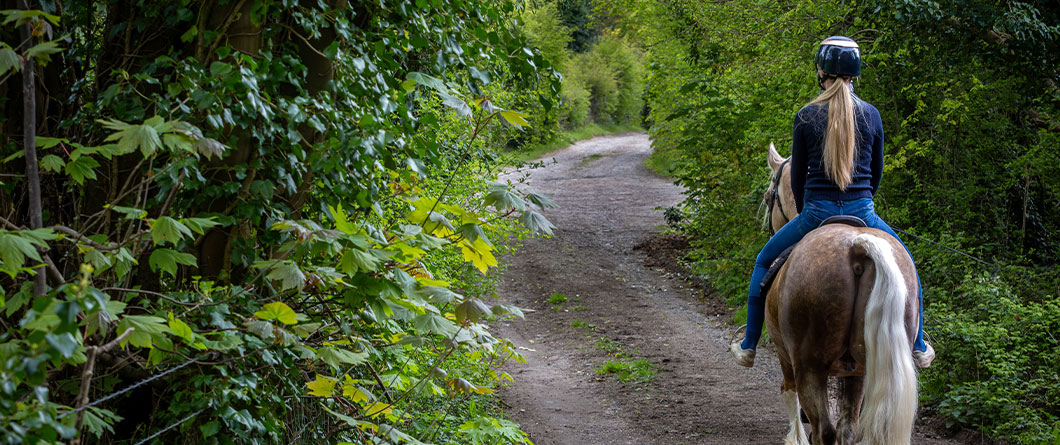
North Florida delivers a riding experience that feels distinctly different from the rest of the state. The landscape shifts to dense-canopy roads, towering longleaf pines, and river systems fed by natural springs, giving trail rides a sense of depth and seclusion hard to find further south. Goethe State Forest in Levy County is the standout destination in this region, with 126 miles of marked multi-use trails across three trailheads: Tidewater, Apex, and Black Prong. The forest’s sandy flatwoods and palmetto undergrowth create classic Old Florida scenery, and primitive equestrian camping is available at both the Tidewater and Black Prong trailheads for riders looking to stay overnight.
Black Prong Resort, located inside the forest near Bronson, serves as a dedicated base for equestrian visitors. The resort offers guided trail-riding excursions of 40 minutes, 1 hour, or 2 hours through the forest’s network of trails, along with horse boarding and equestrian-focused accommodations. It sits close to Williston, Ocala, and Gainesville, making it a practical hub for riders exploring North Central Florida. Further north, Levy County’s network of state and national wildlife areas opens up additional riding through cypress swamps, pine flatwoods, and hardwood hammocks, with options ranging from the Inglis Island Trails to the Devil’s Hammock Wildlife Management Area.
South Florida’s equestrian identity is anchored in Wellington, Palm Beach County, one of the world’s most concentrated equestrian communities. The village hosts the Winter Equestrian Festival, a 13-week competition running January through March, recognized as the largest and longest-running equestrian competition in the world, held at Wellington International’s 111-acre venue, featuring 18 competition arenas and 400 permanent horse stalls. For recreational trail riders, the Wellington area offers access to over 57 miles of groomed community bridle paths and trails surrounding the equestrian facility, as well as designated equestrian trails at parks, including Okeeheelee Park, which features over nine miles of riding trails across its 1,700-acre grounds near the heart of Palm Beach County’s equestrian district.
For riders venturing further south, Jonathan Dickinson State Park in Jupiter offers eight miles of multi-use trails through subtropical landscape, with equestrian-friendly parking and a campground for overnight stays. The Loxahatchee Slough Natural Area adds more than four miles of dedicated equestrian trail through wetland and slough habitat, offering a quieter, more remote alternative to the Wellington show scene just a short drive away.
Family-Friendly Horseback Riding: Beginner Rides and All-Ages Adventures
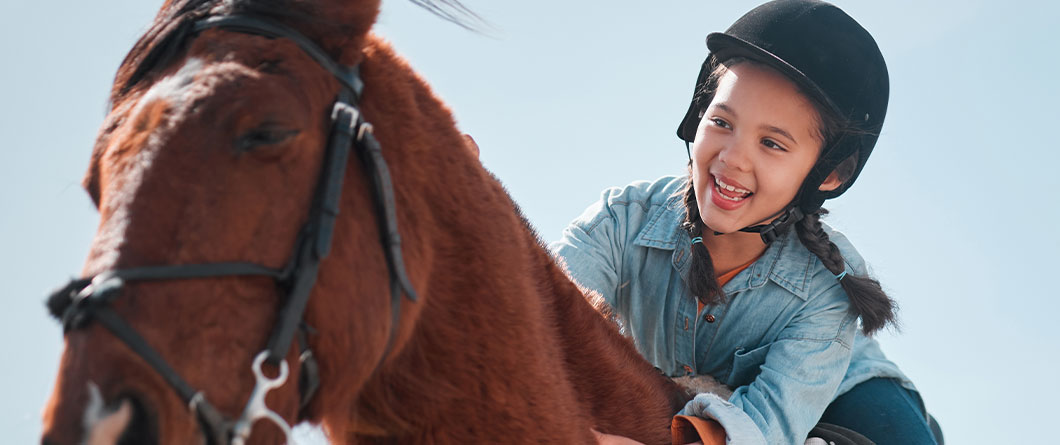
One of the most common misconceptions about horseback riding is that it requires prior experience. The reality across most of Florida’s guided outfitters is the opposite. The majority of trail ride operators in the state specifically design their experiences for first-time riders, with well-trained horses matched to each rider’s comfort level and guides who walk groups through the basics before anyone leaves the staging area.
Age minimums vary by operator, but most guided trail rides accept children aged eight to ten and older. Lake Louisa State Park in Clermont requires riders to be at least eight years old and welcomes complete beginners on all of its guided rides, available 365 days a year. Equestrian Adventures of Florida sets its minimum at ten years old, as does Tours on Horseback in Fort Pierce, which welcomes families for beach and preserve rides with no prior riding experience required.
For families with very young children or those not yet ready to ride independently, several Florida ranches offer alternative horse experiences. Hidden Palms Ranch in Seminole County runs a dedicated Horse Experience program for young children who want to spend one-on-one time learning about, grooming, and riding a horse in a low-pressure setting. Westgate River Ranch offers pony rides for younger visitors alongside its full trail ride program, making it a practical destination for mixed-age families where not everyone is ready for a full guided ride.
Beach rides deserve special mention as a family draw. Riding along the shoreline is a distinctly Florida experience, and operators along both coasts make it genuinely accessible for beginners. The combination of gentle horses, flat terrain, ocean scenery, and knowledgeable guides makes beach rides one of the most approachable entry points into equestrian adventure for families visiting the state. Good stewardship is built into most of these experiences, too. Reputable operators keep group sizes small, stick to designated corridors, and brief riders on how to move through coastal and natural environments without disturbing nesting areas or wildlife.
Is Horseback Riding Good Exercise?
According to the American Heart Association, a study commissioned by the British Horse Society found that even just 30 minutes of horseback riding qualifies as moderate-intensity exercise, while trotting exerts more energy than playing badminton. Beyond cardiovascular benefits, riding engages core muscles, improves balance and coordination, and has been shown to positively affect mood and stress levels.
What to Expect on a Florida Trail Ride: Planning, Safety, and What to Bring
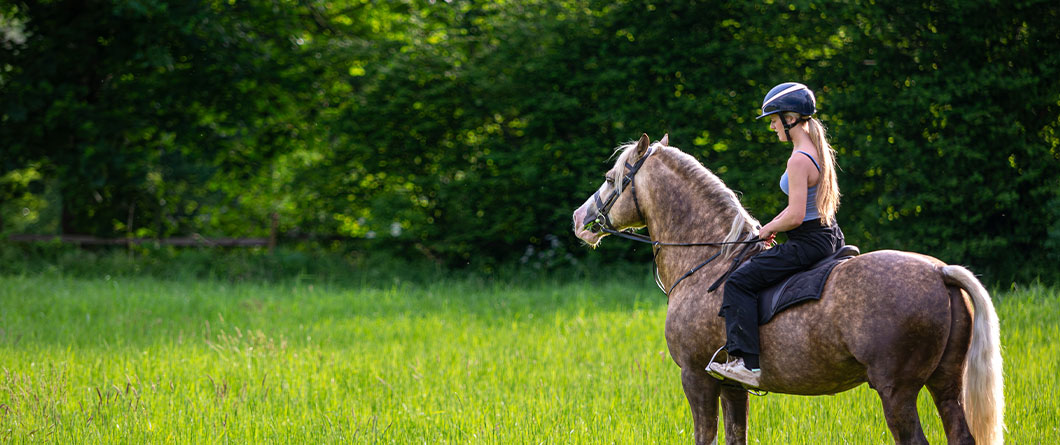
Showing up prepared makes a meaningful difference in how much you enjoy a trail ride. Florida’s heat, humidity, and unpredictable afternoon weather add a few considerations that riders in cooler climates don’t have to think about, but none of it is complicated once you know what to expect.
Clothing is the first thing to get right. Long pants are a must; jeans, leggings, or riding tights all work well, as they protect your legs from saddle rub and trailside brush. Closed-toe shoes with a low heel are required at virtually every guided outfitter in the state, as a low heel prevents your foot from slipping through the stirrup. Sandals, flip-flops, and open-toed shoes are never appropriate on horseback. A fitted, breathable shirt offers sun protection without the bulk, and long sleeves are worth considering even in warm weather. Sunscreen, insect repellent, and a hat for before and after the ride round out the essentials for Florida trail conditions.
Most guided outfitters provide helmets, but it’s worth confirming when you book. Riders trailering their own horses to state parks will need proof of a current negative Coggins test, a routine blood test for equine infectious anemia that most veterinarians can provide. Check the specific park’s requirements before you arrive, as some parks also require a health certificate depending on how far the horse has traveled.
Timing matters in Florida. Morning rides are generally cooler and more comfortable, particularly from May through September when afternoon heat and thunderstorms are common. Most Florida outfitters offer morning departure times specifically for this reason, and many pause operations or reschedule during lightning activity. Booking in advance is strongly recommended with popular operators, especially on weekends and during the busy winter and spring seasons, when trail-ride spots fill quickly.
Trail etiquette is worth a brief mention for first-timers. Stay on designated trails, keep a safe following distance from the horse ahead, move quietly when wildlife is nearby, and follow your guide’s instructions throughout. Florida’s equestrian trails pass through genuinely wild habitat, and the wildlife riders encounter, from white-tailed deer and gopher tortoises to wading birds and the occasional alligator near wetland corridors, is part of the draw. Treating those encounters with care and respect is part of what makes the experience worth having.
Equestrian Camping and Multi-Day Rides: Extended Horseback Adventures in Florida
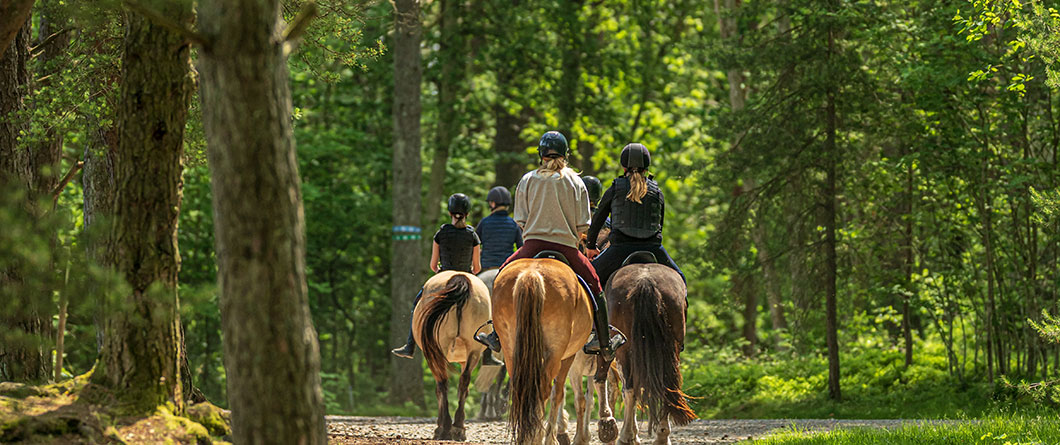
For riders who want more than a single afternoon on the trail, Florida offers a well-developed network of equestrian camping facilities and multi-day riding options that turn a day trip into a full wilderness experience. The state’s combination of mild weather, vast public land, and horse-friendly infrastructure makes extended riding trips genuinely practical across multiple regions.
McCulley Farms in Jasper is one of the most distinctive equestrian camping destinations in the state. An operating family farm since 1915, it sits on land originally settled in the 1860s and offers 35 miles of marked trails on a 400-acre farm adjacent to Twin Rivers State Parks. Riders can camp alongside the old McCulley farmstead, explore canopy lanes winding past ancient sinkholes, and ride along the pristine banks of the Withlacoochee River. Facilities include full hookup sites, covered horse stalls, hot showers, and a dump station. The farm also hosts the Withlacoochee Trail Ride twice annually, in March and October, drawing group campers for a weekend of riding across 5,000 acres of state and private canopied lanes, according to Visit Florida.
Florida’s state park system supports extended riding through dedicated equestrian campgrounds at multiple parks. Colt Creek State Park near Lakeland offers a 20-site primitive equestrian campground with water, fire pits, and horse troughs, accommodating trailers and rigs throughout. Little Manatee River State Park near Ruskin provides four equestrian campsites, each with water and electrical hookups and access to two horse stalls in the stable directly behind the sites, according to TrailMeister. Both parks connect riders to over 15 miles of equestrian trail each, and both require a current negative Coggins test for each horse.
For riders seeking a resort-style extended stay, Black Prong Resort in Bronson offers equestrian-focused accommodations within Goethe State Forest, with direct access to 126 miles of marked trails from the property. The resort offers horse boarding alongside lodging, making it a practical base for riders who want multiple days on Goethe’s varied trail system without sacrificing comfort between rides. The Southwest Florida Water Management District also opens several of its managed lands to equestrian camping, including long-distance and multi-day rides through pine flatwoods, cypress ponds, and wetland corridors, with free camping reservations available through the District’s equestrian program.
What makes Florida’s extended riding options particularly appealing from an ecotourism perspective is the amount of protected land riders pass through. Multi-day routes connect state forests, wildlife management areas, and conservation corridors that simply can’t be accessed any other way. Riders covering ground over two or three days experience ecosystems and wildlife at a pace and depth that no day trip can replicate. To explore more horseback riding destinations and find operators across every region of the state, visit the Ecotourism Florida horseback riding activity page.
Frequently Asked Questions About Horseback Riding and Trail Rides in Florida
Do I need riding experience to go on a guided trail ride in Florida?
No prior experience is required for the vast majority of guided trail rides in Florida. Most outfitters use well-trained horses matched to each rider’s comfort level and conduct a brief orientation before the ride begins, covering basic mounting, steering, and safety. Horses on guided tours typically walk the entire route, so riders are never expected to trot or canter unless they specifically book an advanced experience. If you have physical limitations or concerns, contact the operator before booking, as some rides require riders to be able to mount and dismount independently.
What is a Coggins test, and do I need one?
A Coggins test is a blood test that screens horses for equine infectious anemia, a serious, contagious viral disease with no available treatment or vaccine. Florida state parks and most public trail systems require proof of a current negative Coggins test for any horse brought onto the property. The test must be conducted by a licensed veterinarian and is typically valid for one year. Guided outfitters handle their own horses’ Coggins requirements, so this only applies to riders trailering their own horses to public trails or equestrian campgrounds.
Can kids go horseback riding in Florida?
Most guided outfitters accept children, though minimum age requirements vary. Many operators set their minimum age at 8 to 10 years old for standard trail rides. Some beach ride operators accept children as young as six, while others set the minimum at ten. Florida law requires riders under 16 to wear a helmet, and most reputable operators enforce this regardless of age. For very young children who are not yet ready to ride independently, some ranches offer pony rides or hands-on horse experiences as alternatives.
What is the best time of year to go horseback riding in Florida?
Florida’s mild winters make the cooler months, roughly October through April, the most comfortable time for trail riding. Temperatures are pleasant, humidity is lower, and the risk of afternoon thunderstorms is minimal. Summer riding is still very much possible, but is best done in the early morning before the heat and humidity peak. Most Florida outfitters operate year-round and will reschedule rides in the event of lightning activity, so booking a morning slot during warmer months is the safest approach.
Are beach horseback rides available in Florida, and are they beginner-friendly?
Beach rides are available along both coasts of Florida and are among the most beginner-friendly riding experiences in the state. The flat terrain, gentle pace, and experienced guides make them suitable for first-time riders. Operators along the Treasure Coast, Northeast Florida, and the Gulf Coast offer guided beach rides, with most accepting riders of varying skill levels and providing all necessary equipment. Closed-toe shoes and long pants are still required even for beach rides, as stirrup safety and sun protection apply regardless of the setting.
