


Best Scuba Diving and Snorkeling in Florida: Underwater Adventures Guide
Florida is one of the only places on earth where you can dive a living coral reef and a crystal-clear freshwater spring on the same trip. The state’s geography makes it possible: a tropical reef system runs the length of the Keys, while the largest concentration of freshwater springs on the planet bubbles up across the northern and central peninsula. Add in historic shipwrecks, a remote island national park, and the only legal wild manatee encounters in the country, and Florida offers a range of underwater experiences that few destinations can match.
This guide covers the best of it, from the coral reefs of John Pennekamp and the wreck dives off Key Largo to the remote tropical waters of Dry Tortugas and the manatee-filled springs of Crystal River. You will find practical details on each destination alongside the information that actually shapes a trip: what certification you need, when to go, how to book remote sites, and which dives are appropriate for which skill levels.
Whether you are a certified diver planning an advanced wreck dive, a snorkeler looking for an easy first reef, or a family hoping to float alongside a manatee, there is a Florida site that fits. The sections below break it all down by destination and by experience level, with an emphasis on exploring these fragile ecosystems responsibly so they stay healthy for the divers who come after you.
Why Florida Is the Premier Scuba and Snorkeling Destination: Diverse Sites and Year-Round Diving
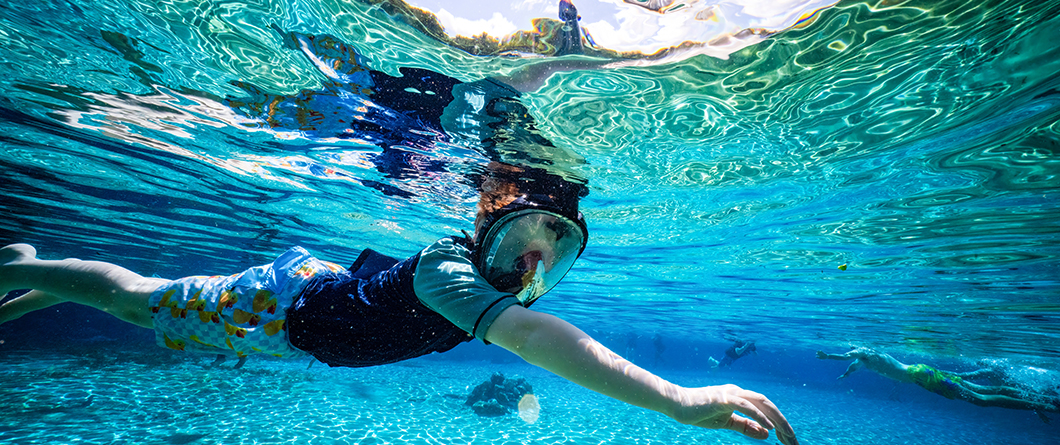
Florida holds a distinction no other state can claim. It offers both the only living coral barrier reef in the continental United States and the largest concentration of freshwater springs on the planet. That combination means a diver can explore a tropical reef teeming with parrotfish one weekend and drift through a crystal-clear spring at a constant 72 degrees the next. Few destinations anywhere pack that much variety into a single state.
The saltwater side runs down the Atlantic coast and through the Keys. The Florida Keys National Marine Sanctuary protects nationally significant marine resources, including North America’s only coral barrier reef, extensive seagrass beds, mangrove-fringed islands, and more than 6,000 species of marine life. Divers come for the reefs, the shipwrecks, and the sheer density of fish, sea turtles, and invertebrates that the reef system supports. The water stays warm enough to dive comfortably through most of the year, which is a big part of why Florida draws divers when colder regions shut down for the season.
The freshwater side is its own world. Florida’s springs bubble up from the Floridan Aquifer, producing some of the clearest water you will find anywhere. These sites work beautifully for beginners and snorkelers because visibility is excellent and conditions are calm. They also host manatees in the winter months, which makes a freshwater swim one of the most memorable wildlife encounters in the state.
Year-round access is the practical advantage that ties it all together. Reef diving peaks in the warmer months, while the springs hold their temperature no matter the season, so there is always somewhere worth getting in the water.
How many marine species live in Florida’s coral reef system?
Florida Keys National Marine Sanctuary protects more than 6,000 marine species, including tropical reef fish and bottlenose dolphins, as well as the only barrier coral reef in the continental United States. The sanctuary spans roughly 4,539 square miles of protected water, making it one of the most biodiverse and accessible dive regions in the country.
John Pennekamp Coral Reef State Park: Exploring Christ of the Abyss and Vibrant Reefs
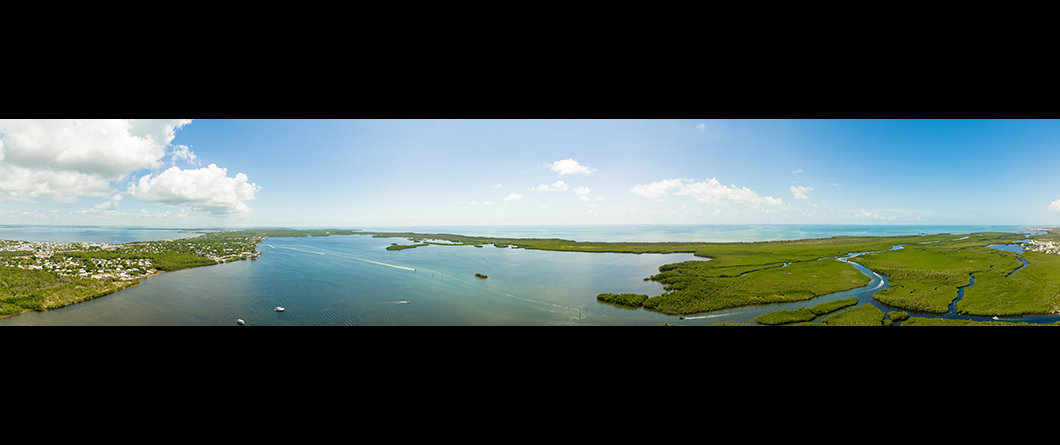
John Pennekamp Coral Reef State Park is where reef diving in Florida began. Established in 1963 as the first undersea park in the United States, the park covers roughly 70 nautical square miles of Atlantic water off Key Largo. It protects a section of the same reef system that runs through the Keys, and decades of conservation work have kept it one of the most reliable places in the state to see healthy coral and abundant fish.
The park’s signature attraction sits underwater. Christ of the Abyss, a bronze statue standing about nine feet tall, rests in roughly 25 feet of water at Key Largo Dry Rocks. Snorkelers can see it clearly from the surface on calm days, and divers can descend for a closer look. The statue draws a steady stream of visitors, but the surrounding reef is the real reward, with brain coral, sea fans, and schools of tropical fish moving through the spur-and-groove formations.
Pennekamp is well-suited for divers and snorkelers at all skill levels. Beginners and families often start with a glass-bottom boat tour or a guided snorkel trip to shallow patch reefs, while certified divers head to deeper sites like Molasses Reef and French Reef. The park’s official concessionaire holds a Blue Star designation, NOAA’s recognition for operators that follow responsible reef practices, which makes it a strong choice for divers who want to keep their impact low.
Booking ahead is especially important in the warmer months, when reef conditions peak. Trips fill up quickly, and the park enforces mooring-buoy use and no-touch rules to protect the coral.
What makes John Pennekamp Coral Reef State Park significant?
John Pennekamp Coral Reef State Park was established in 1963 as the first undersea park in the United States and encompasses approximately 70 nautical square miles of protected Atlantic Ocean off Key Largo. Its reefs sit within the larger Florida Keys reef system, the only living coral barrier reef in the continental United States, drawing divers and snorkelers from around the world.
Key Largo and Biscayne: Wreck Dives, Shipwrecks, and Maritime Heritage Trails
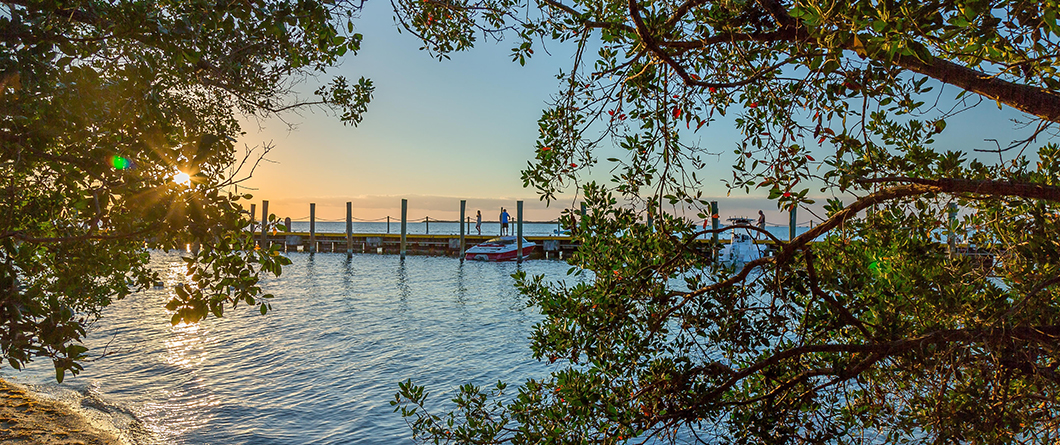
The waters off Key Largo and Biscayne hold some of the best wreck diving in the country. Decades of shipwrecks, both accidental and intentional, have created artificial reefs that now teem with marine life. Key Largo anchors the Florida Keys Shipwreck Trail, a string of historic and purpose-sunk vessels that give divers a tangible link to the region’s maritime past while supporting thriving fish populations.
The Spiegel Grove is the headliner. This 510-foot former Navy landing ship was sunk off Key Largo in 2002 to create an artificial reef, and it remains one of the largest and most popular wreck dives in the Florida Keys. The wreck’s superstructure rises to within about 45 feet of the surface while the keel settles at 130 feet, so divers can experience a range of depths on a single site. Nearby, the USCGC Duane, a retired Coast Guard cutter, rests upright in roughly 120 feet of water and draws barracuda, goliath grouper, and reef sharks.
These deeper wrecks are not beginner dives. The Spiegel Grove and Duane both sit in depths that call for advanced open water certification, and penetration into a wreck’s interior requires specialized wreck-diving training. Currents can run strong, and conditions change quickly, so most operators expect proof of experience before booking these sites. Divers still building their hours can enjoy shallower wrecks and the reefs around them without going deep.
To the north, Biscayne National Park offers a gentler take on maritime history. Over 90% of the park sits underwater, and its Maritime Heritage Trail links six mapped shipwrecks with mooring buoys and brochures for each site. Several sit deep enough to require scuba, but the Mandalay lies in shallow water that snorkelers can explore, making this a rare chance to see a real shipwreck without deep-water certification.
How many shipwrecks can you explore on Biscayne’s Maritime Heritage Trail?
Biscayne National Park’s Maritime Heritage Trail features six mapped shipwrecks spanning nearly a century of maritime history, each marked with mooring buoys and interpretive brochures. While several require scuba certification, the Mandalay sits in shallow water that snorkelers can explore, making the trail accessible to divers and non-divers alike.
Dry Tortugas National Park: Ultimate Tropical Diving Adventure 70 Miles From Key West
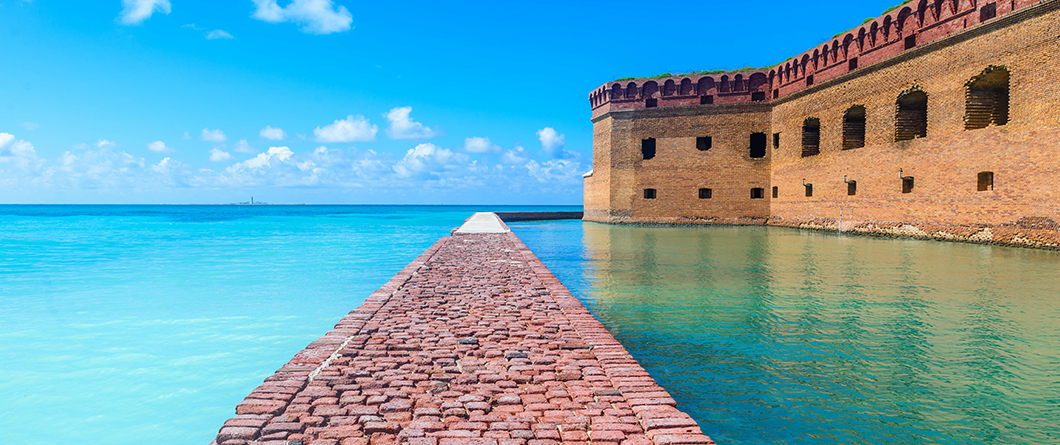
Dry Tortugas National Park is as remote as Florida diving gets. The park sits almost 70 miles west of Key West, reachable only by boat or seaplane, which keeps the crowds thin and the water exceptionally clear. The payoff for the journey is a 100-square-mile park where more than 99% of the area is water, surrounding the massive 19th-century Fort Jefferson on Garden Key.
Most visitors arrive at Garden Key, and the snorkeling there is both easy and rewarding. The moat wall around Fort Jefferson is the signature spot, where coral, tropical fish, and reef squid gather along the old structure. Snorkelers can launch from North or South Beach and follow the wall, which makes this accessible to families and first-timers who want a real reef experience without a boat charter to a distant site.
Divers and stronger snorkelers willing to range farther will find more. The historic coal pier pilings near Garden Key draw barracuda and schooling fish, while the park’s larger coral heads support parrotfish, angelfish, and triggerfish. Three miles west at Loggerhead Key, the Windjammer wreck rests in about 20 feet of water, a steel-hulled sailing vessel that ran aground in the early 1900s and now serves as both a snorkel site and an artificial reef.
A few practical notes shape any trip here. There are no services in the park, so divers bring everything they need, and the weather can change plans quickly due to the open-water crossing. Sections of the moat wall occasionally close for coral relocation and restoration work, so checking current conditions before you go is smart. For trip logistics and where the Dry Tortugas fits alongside other Keys sites, our scuba diving guide is a good starting point.
How do you get to Dry Tortugas National Park for diving and snorkeling?
Dry Tortugas National Park lies almost 70 miles west of Key West and is accessible only by boat or seaplane, with most visitors arriving by daily concession ferry or charter to Garden Key. The park spans 100 square miles of mostly open water, and snorkelers can explore coral and marine life right off the Fort Jefferson moat wall in shallow, accessible water.
Florida Springs for Scuba and Snorkeling: Crystal Clear Freshwater Diving Experiences
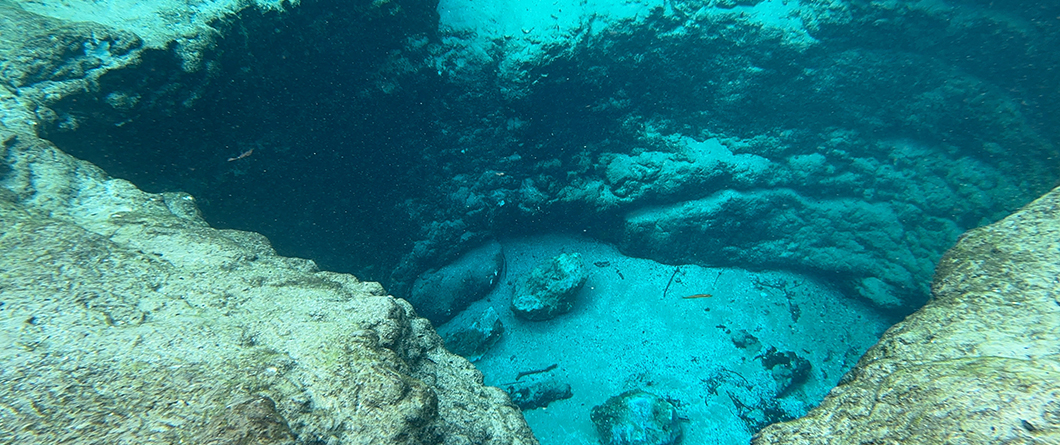
Florida’s freshwater springs offer a completely different kind of dive. Instead of saltwater reefs and currents, you get still, glass-clear water flowing up from the Floridan Aquifer at a constant temperature year-round. The clarity can be staggering, with visibility stretching well past anything you typically find in the ocean, which is exactly why springs have become a favorite for underwater photography and beginner-friendly diving alike.
The springs maintain a constant average temperature of 72 degrees year-round, which is the practical magic behind them. In summer, they feel refreshingly cool against the Florida heat, and in winter, they feel almost warm compared to the air. That stability also makes them a wildlife magnet, drawing manatees, otters, turtles, and gar into the same clear water you are swimming through.
Florida holds more of these springs than anywhere else on the planet. The state has 33 first-magnitude springs, more than any other state or nation can claim, along with hundreds of smaller ones scattered across the northern and central peninsulas. Many are within state parks that protect both the water and the surrounding habitat, so a spring visit often includes hiking trails, paddling, and nearby camping.
These sites range from wide-open swimming basins ideal for first-timers to deep cavern and cave systems reserved for trained specialists. That range is what makes the springs so welcoming. A family can snorkel a shallow run while certified divers explore deeper formations at the same park, which is part of why the springs draw such a wide mix of visitors year-round.
What temperature is the water in Florida’s springs?
Florida’s springs maintain a constant average temperature of 72 degrees Fahrenheit year-round because they are fed by the Floridan Aquifer, which remains stable regardless of surface weather conditions. This makes them comfortable for swimming, snorkeling, and diving year-round, and the warm, relatively warm winter water draws manatees seeking refuge from the colder ocean.
Ginnie Springs and Crystal River: Manatees, Cave Systems, and Underground Waterways
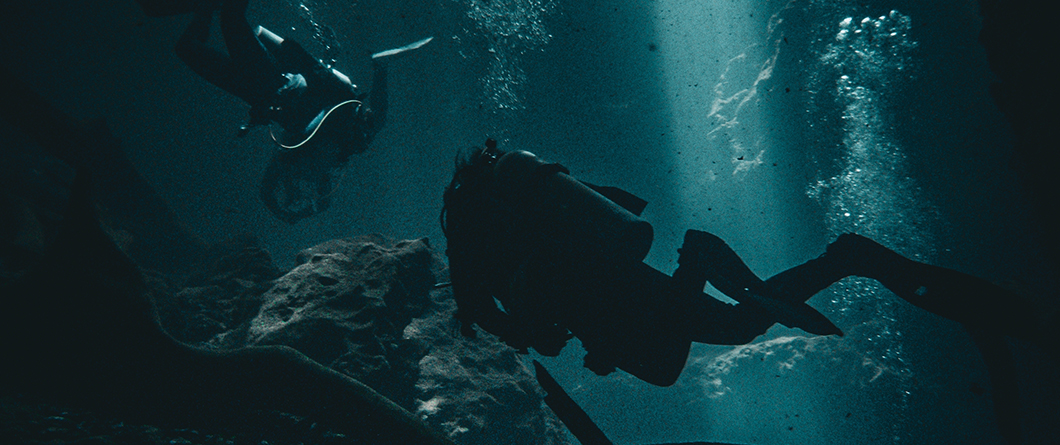
Two springs destinations stand out for very different reasons, and together they show the full range of what Florida’s freshwater diving offers. Ginnie Springs draws divers for its underwater cave systems and consistently clear water, while Crystal River, on the Gulf Coast, is famous for something no other place in the country can claim: a legal in-water encounter with wild manatees.
Ginnie Springs sits along the Santa Fe River and has long been a hub for cave and cavern diving. The open spring basin and run welcome snorkelers and beginning divers, but the cave systems beyond are a different story. Full cave diving here requires specialized certification, dedicated training, and proper equipment. The Ginnie Springs caverns have claimed lives over the years, and the standard guidance is firm: recreational open-water divers should stay in the open basin and cavern zones, never venturing into the cave passages without cave certification.
Crystal River works on the opposite principle, built around gentle, hands-off observation. The U.S. Fish and Wildlife Service encourages passive observation, meaning swimmers float calmly at the surface and let manatees approach on their own rather than chasing or touching them. Crystal River and Kings Bay are the only areas in Florida where swimmers can legally encounter manatees in a monitored setting, which is why responsible operators here begin every trip with a briefing on manatee manners.
Timing matters at Crystal River. Manatees gather in large numbers in the warm spring water during the colder months, and seasonal sanctuaries protect critical resting areas from November 15 through March 31. Touching or disturbing a manatee is a federal offense, so the etiquette is not optional.
Where can you legally swim with manatees in Florida?
Crystal River and the adjacent Kings Bay are the only areas in Florida where swimmers are monitored and permitted to encounter manatees in their natural habitat. The U.S. Fish and Wildlife Service requires passive observation, meaning visitors float quietly and let the animals approach, and seasonal sanctuaries close critical resting zones to people during manatee season from November 15 through March 31.
Essential Gear, Safety Tips, and Certification Requirements for Florida Diving

Certification is the foundation of safe diving, and understanding the levels helps you match your training to the site. The PADI Open Water Diver course certifies you to dive to a maximum depth of 60 feet, which covers most of Florida’s reefs, springs, and shallow snorkel-friendly wrecks. Advanced Open Water certification extends that limit to 100 feet, opening up deeper wrecks like the Spiegel Grove and Duane. Snorkeling, by contrast, requires no certification, making the springs and shallow reef sites accessible to anyone comfortable in the water.
Specialty dives demand specialty training, and this is where divers often overreach. Wreck penetration, where you enter the interior of a sunken vessel, requires dedicated wreck-diving certification beyond Advanced Open Water. Cave diving in the springs is its own discipline entirely, with separate training, redundant equipment, and strict protocols. The rule worth repeating is simple: dive within the limits of your training and experience, not your ambition.
Florida law governs how divers signal their presence, and it carries real safety weight. Divers and snorkelers must display a divers-down flag or buoy whenever they are in the water, and vessels must stay at least 300 feet away on open water and 100 feet away on rivers, inlets, and navigation channels. Vessels approaching closer than those distances must slow to idle speed. The flag comes down when you exit the water, since a displayed flag tells boaters someone is still below.
Gear needs vary by environment. Reef and wreck diving in saltwater calls for a wetsuit suited to warmer water, a buoyancy compensator, a regulator, and a dive computer, most of which dive shops rent. Spring diving runs cooler at a steady 72 degrees, so a thicker wetsuit helps on longer dives. One piece of gear matters everywhere you go: reef-safe sunscreen, which protects fragile coral and spring ecosystems from the chemicals found in conventional formulas.
What scuba certification do you need to dive in Florida?
No certification is required to snorkel in Florida, but scuba diving requires at least an Open Water certification, which allows divers to descend to a maximum depth of 60 feet. Deeper sites, such as the Spiegel Grove wreck, call for Advanced Open Water certification, which extends the limit to 100 feet, while wreck penetration and cave diving in the springs each require separate specialty training.
Planning Your Underwater Adventure: Best Seasons, Charter Services, and Preparation Guide
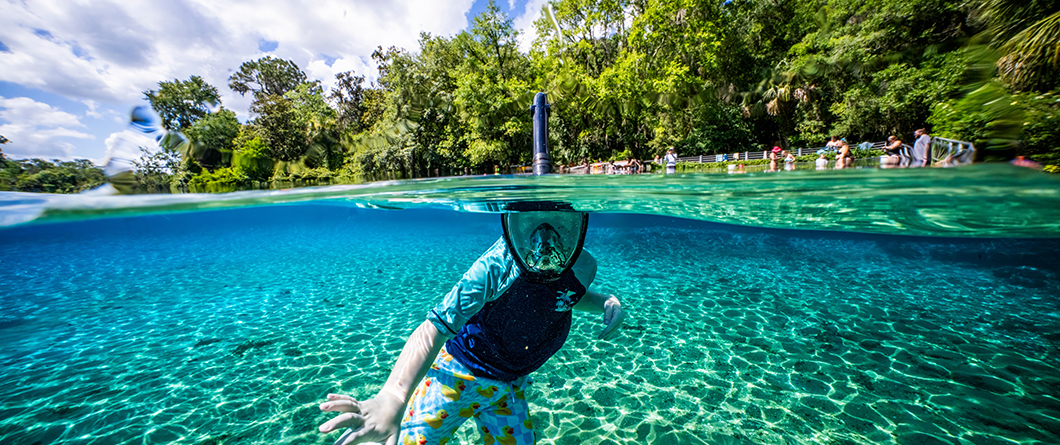
Florida diving requires a little planning, and timing is the first decision. For the saltwater reefs and wrecks of the Keys, the warmer months from late spring through summer deliver peak visibility, gentle currents, and active marine life. Winter brings cooler water and occasional wind that can stir up visibility, but it also means fewer crowds and quieter dive sites. The springs flip that logic entirely, holding their steady 72 degrees year-round and drawing manatees in the colder months, so a well-rounded Florida diving year often pairs summer reef trips with winter spring visits.
Charter logistics vary by destination, and the more remote the site, the more advanced planning it takes. Dry Tortugas requires booking a ferry or seaplane well in advance, while Keys reef and wreck trips run daily but fill up quickly in peak season. Crystal River manatee tours operate on a seasonal schedule and book up quickly during the winter season. Reputable operators handle gear, guides, and site selection, which takes the guesswork out of unfamiliar waters.
A short preparation checklist keeps trips smooth:
- Confirm your certification level matches the dive site, and bring your certification card
- Reserve charters and tours early, especially for Dry Tortugas and the winter manatee season
- Pack reef-safe sunscreen, an appropriate wetsuit, and any personal gear you prefer over rentals
- Check weather and water conditions the day before, since open-water trips cancel for storms
Florida’s underwater world spans coral reefs, historic wrecks, crystal springs, and wild manatee encounters, all within a single state and accessible year-round. Whether you are getting certified, planning your first snorkel trip, or mapping out an advanced wreck dive, there is always another site worth exploring. To start planning your next underwater adventure and find the operators and destinations that fit your experience level, explore our scuba diving resources.
Frequently Asked Questions About Scuba Diving and Snorkeling in Florida
Do you need to be certified to snorkel in Florida?
No certification is required to snorkel anywhere in Florida. Snorkeling is open to anyone comfortable in the water, making shallow reefs, springs, and sites like the Fort Jefferson moat wall accessible to families and first-timers. Scuba diving is different and requires at least an Open Water certification, since it involves descending with compressed air and managing depth.
How long does it take to get scuba certified?
The PADI Open Water Diver course typically takes three to four days to complete, with the four required open-water dives usually completed over two days. Many divers finish the knowledge-development portion online before arriving, which streamlines the in-water training. Florida’s warm, clear water and abundance of dive shops make it a popular place to certify.
When is the best time of year to dive in Florida?
For the Keys reefs and wrecks, the warmer months from late spring through summer offer the best visibility and calmest conditions, though they coincide with peak crowds and hurricane season. The freshwater springs hold a steady 72 degrees all year, and winter is prime time for manatee encounters at Crystal River. A year-round diver can pair summer reef trips with winter or spring visits.
Where can you swim with manatees in Florida?
Crystal River and the adjacent Kings Bay are the only areas in Florida where swimmers are monitored and permitted to encounter manatees in their natural habitat. The U.S. Fish and Wildlife Service requires passive observation, meaning you float quietly and let the animals approach. Manatees gather in the largest numbers during the colder months, and touching or disturbing them is a federal offense.
Is Florida good for beginner divers?
Florida is one of the best places in the country to start diving. The springs offer calm, clear, current-free water at a stable temperature, while the Keys feature shallow reefs and snorkel-accessible wrecks that suit new divers. Beginners should stick to sites matched to their training, leaving deep wrecks and cave systems to divers with the proper specialty certification.
