


Nature Photography in Florida: Best Locations and Expert Tips
Few places give a photographer this much to work with. Florida holds more than 540 documented bird species, it is the only spot in the country where you can legally get in the water with wild manatees, and it offers alligators basking within lens range of a paved boardwalk. The wildlife here is not only diverse but unusually accessible, gathered in refuges and parks within a short drive of the state’s largest cities.
That accessibility is the real story for anyone with a camera. Subjects that would mean an expensive expedition elsewhere, large wading flocks, nesting ospreys, and manatees crowding a warm spring, concentrate in a handful of well-known locations, and the mild climate keeps them productive across the seasons. The hard part is rarely finding wildlife. It is knowing where to point the camera, when to show up, and how to leave with images worth keeping.
The locations, seasons, and field craft that follow are organized to answer exactly those three questions, drawn from the parks and refuges that have made Florida one of the most rewarding wildlife destinations in the country.
Why Florida Is a Nature Photographer’s Paradise: 500+ Bird Species and Unique Ecosystems
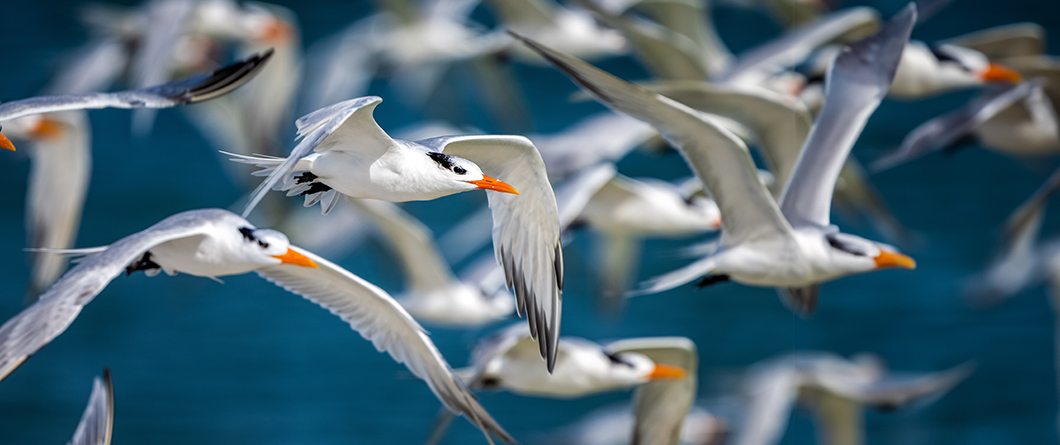
Florida sits at a rare geographic crossroads. The peninsula reaches from the temperate Southeast into subtropical and nearly tropical territory, which means species that rarely share a map elsewhere overlap here. A photographer can frame a roseate spoonbill, an American alligator, and a wintering warbler within the same few miles of coastline.
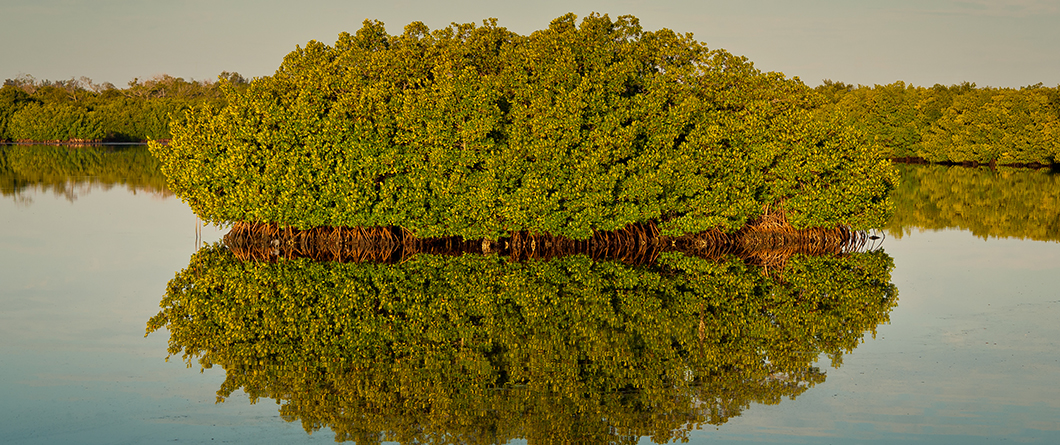
That overlap shows up in the habitats themselves. Sawgrass marsh in the Everglades, mangrove estuaries along both coasts, crystal freshwater springs in the interior, pine flatwoods, hardwood hammocks, and barrier island shorelines each hold a different cast of wildlife. The variety means you are rarely photographing the same scene twice, even on a single trip.
Migration adds another layer. Florida anchors the southern end of the Atlantic Flyway, one of the four migration corridors the U.S. Fish and Wildlife Service uses to manage migratory birds across North America. The route traces the eastern seaboard from Canada and the Arctic south to the Caribbean and South America, and millions of birds funnel through Florida every spring and fall. Many stay through the winter, so the subject list shifts with the calendar and birding stays productive in nearly every season.
For photographers, the practical payoff is access. Subjects that usually demand an international trip, large wading flocks, manatees, nesting ospreys, gather in protected refuges and parks within a day’s drive of most Florida cities. The mild climate keeps those locations productive year-round, with winter often delivering the densest concentrations.
The rest of this guide works through the specific places that reward a camera, the seasons that favor each one, and the gear and technique that turn access into images worth keeping.
How many bird species can you photograph in Florida?
The Florida Ornithological Society Records Committee verifies 545 bird species for the state. That count spans resident wading birds and raptors, neotropical migrants moving along the Atlantic Flyway, and wintering waterfowl. For a wildlife photographer, the realistic subject list runs into the hundreds rather than the dozens.
Everglades National Park: The Anhinga Trail, Shark Valley, and Alligator Photography Hotspots
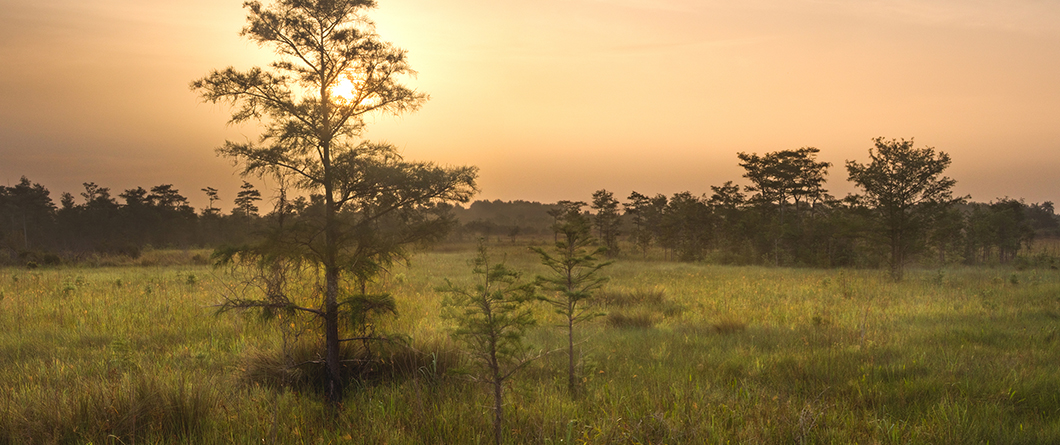
Everglades National Park protects 1.5 million acres of sawgrass prairie, mangrove estuary, and freshwater slough at the southern tip of the Florida mainland. It is the largest subtropical wilderness in the country, and it concentrates an enormous amount of wildlife into a handful of accessible spots. Two of them do most of the work.
Prioritize the Anhinga Trail. This paved 0.8-mile boardwalk loops out from the Royal Palm area over Taylor Slough, putting you within feet of basking alligators, anhingas drying their wings, great blue herons, purple gallinules, and turtles. The compact layout is an advantage: work the same stretch of water for an hour, and let the light and the animals come to you instead of covering ground in hopes of a sighting.
Shark Valley works at a different scale. Its 15-mile paved loop, reached off Tamiami Trail about 40 miles west of Miami, runs through open sawgrass where alligators line the canal edges and wading birds stalk the shallows. You can bike it, walk a portion, or ride the tram, and the observation tower at the midpoint gives you elevated landscape compositions you cannot get anywhere else in the park.
Timing matters more here than almost anywhere. The dry season runs roughly from December through April, and as water levels drop, wildlife crowds into the remaining pools and gator holes. That concentration turns a scattered marsh into a reliable session, and it brings cooler temperatures and far fewer mosquitoes with it.
Both trails put you close to large predators, so keep the National Park Service viewing distance, stay on the boardwalk, and never position yourself between an alligator and the water.
Merritt Island National Wildlife Refuge: 140,000 Acres of Migratory Birds and Roseate Spoonbills
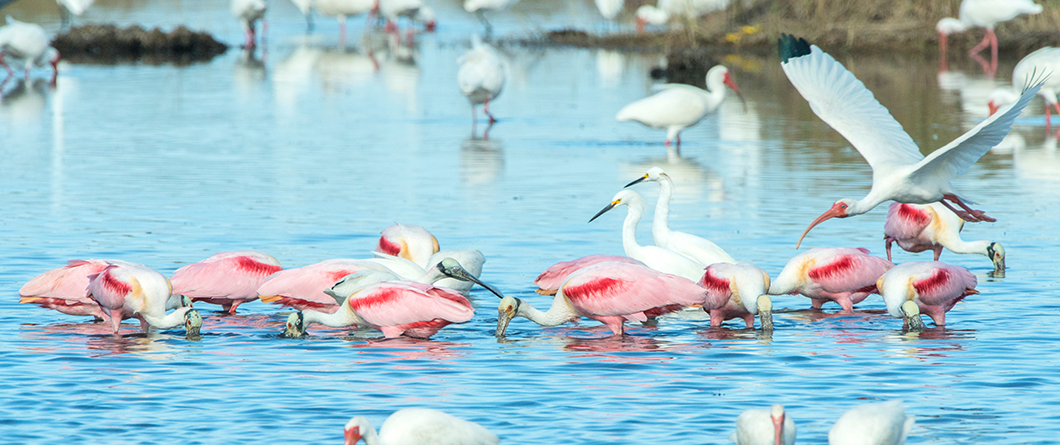
Merritt Island sits on Florida’s Atlantic coast just east of Titusville, sharing its boundaries with the Kennedy Space Center. For wildlife photographers, the centerpiece is the 7-mile Black Point Wildlife Drive, a one-way auto loop that runs the levees between shallow impoundments. The drive does something rare. It lets you photograph from your vehicle, which the birds treat as a moving blind, so you can get close to wading flocks that would flush if you approached on foot.
Roseate spoonbills are the signature subject. They feed in the impoundments alongside reddish egrets, wood storks, great egrets, and white ibis, and in winter, the refuge fills with ducks, pintails, and American white pelicans. Pull off at the marked stops, cut the engine, and let the birds work toward you. Many of the best frames come from waiting at one pond rather than driving the full loop quickly.
Light direction is the thing to plan around. Because the drive is one-way, the sun sits on one side of the road for most of the route, so the same pond can be beautifully lit or fully backlit, depending on which stretch you reach and when. Early morning and late afternoon give the softest light and the most active feeding.
If you want to leave the car, the Cruickshank Trail branches off the drive with observation platforms within a quarter mile of the trailhead, often within sight of spoonbills and alligators. Keep to the platforms and pull-offs, avoid stopping where you block the one-way traffic, and never approach a roosting flock on foot.
How big is Merritt Island National Wildlife Refuge, and what lives there?
The refuge covers 140,000 acres of coastal dunes, salt marsh, managed impoundments, scrub, and hardwood hammock, providing habitat for more than 1,500 species of plants and animals, according to the U.S. Fish and Wildlife Service. That diversity, combined with its position on the Atlantic Flyway, is why a single morning can yield wading birds, waterfowl, raptors, and shorebirds in the same set of impoundments.
Sanibel Island’s J.N. Ding Darling Refuge: Ospreys, Herons, and 6,300 Acres of Coastal Wildlife
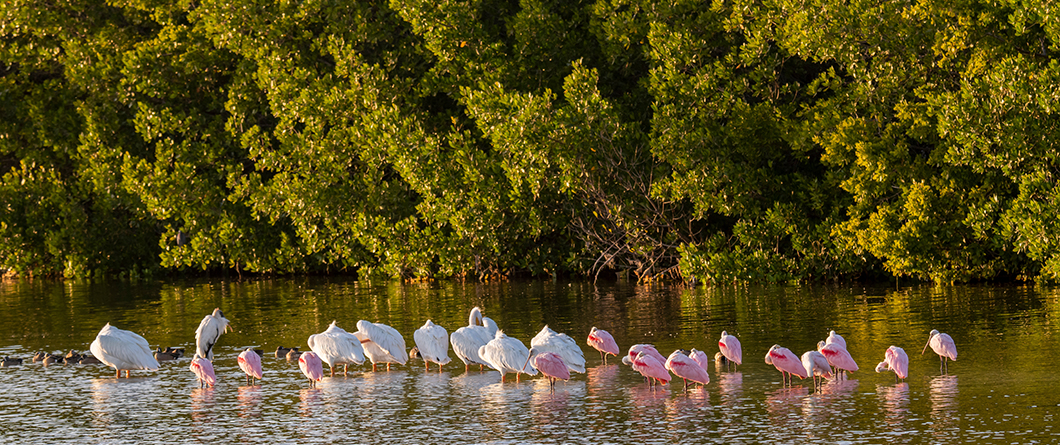
Ding Darling is part of the largest undeveloped mangrove ecosystem in the United States, spread across the barrier island of Sanibel on Florida’s southwest coast. The refuge is built around a 4-mile Wildlife Drive that winds past tidal flats, mangrove channels, and shallow estuarine ponds. As at Merritt Island, you can drive, bike, or walk it, and the road doubles as a long, slow blind for photographing birds that feed within a few yards of the route.
Tide is the single most important variable here. Birding and photography are best at low tide, when receding water strands fish and crustaceans in the shallows and pulls wading birds in to feed. Plan your visit around the tide chart rather than the clock, then layer in early or late light if you can.
The signature subjects match the refuge’s reputation. Ospreys nest along the drive, sometimes within easy range of the road, while reddish egrets, great blue herons, yellow-crowned night herons, white pelicans, and roseate spoonbills work the flats. The calm, shallow water also makes Ding Darling one of the better places in Florida for clean reflection shots and for birds in flight, since the birds cross the road repeatedly between feeding areas.
A few logistics shape the shoot. Wildlife Drive closes every Friday to give the refuge a rest from traffic, so plan around that. Speed limits are enforced for the safety of both the wildlife and the slow-moving photographers and cyclists sharing the one-way road. Use the marked pull-offs and observation decks, and resist the urge to stop in the travel lane when a spoonbill drops in.
Crystal River: Winter Manatee Season Photography From November Through March
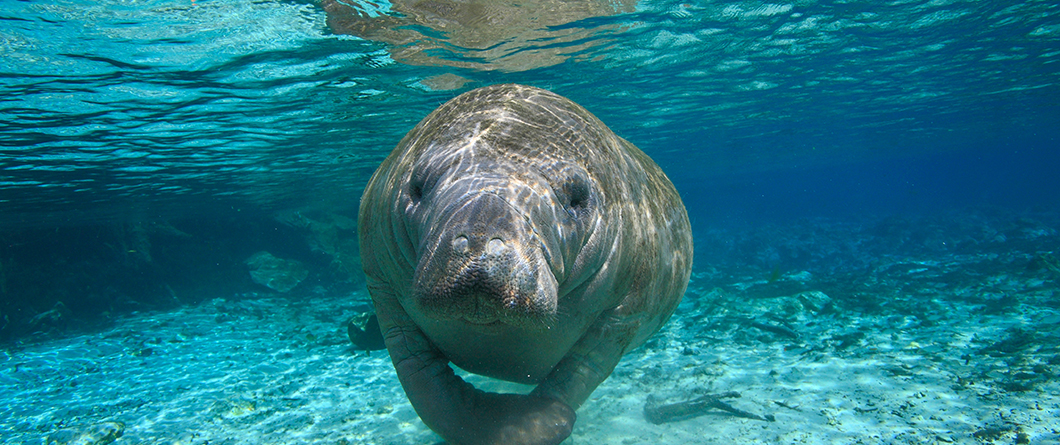
Crystal River is the one place in the United States where you can legally get in the water with wild manatees, which makes it unlike any other location in this guide. Each winter, hundreds of West Indian manatees crowd into the warm springs of Kings Bay and Three Sisters Springs, and the resulting photography, both underwater and from the boardwalk, is hard to match anywhere else.
The biology drives the calendar. The springs hold a steady 72 degrees, and when Gulf water drops below about 68 degrees, manatees move in to conserve body heat. The coldest mornings produce the densest gatherings, so a hard cold front is your cue to go. Clear spring water and overhead winter sun let you shoot without artificial light, whether you are floating at the surface with a snorkel and an underwater housing or working from above.
The boardwalk at Three Sisters Springs offers a different angle. From the elevated walkway, you can shoot down onto manatees resting in the vents, often with better water clarity than you get at eye level. Land access runs by shuttle, and the springs are closed to swimmers from the boardwalk side, so the in-water and topside experiences happen in different places.
The rules here are not optional, and they shape the entire approach. The U.S. Fish and Wildlife Service requires passive observation, meaning you float quietly at the surface and let the animals come to you rather than pursuing them. The FWC’s manatee viewing guidelines prohibit touching, chasing, or entering posted sanctuary zones. Drones are not permitted over the springs. Most photographers go out with a USFWS-permitted operator, which handles the briefing and keeps you on the right side of the rules.
When is manatee season at Crystal River?
Manatee season at Crystal River National Wildlife Refuge runs from November 15 through March 31, the period when the refuge’s seven warm-water sanctuaries are in effect. During these months, manatees leave the cooling Gulf and concentrate in the 72-degree springs of Kings Bay, with the largest aggregations forming on the coldest days. That predictable, weather-driven gathering is what makes Crystal River the most reliable manatee photography location in the country.
Seasonal Guide: Best Times to Photograph Florida Wildlife by Location and Species
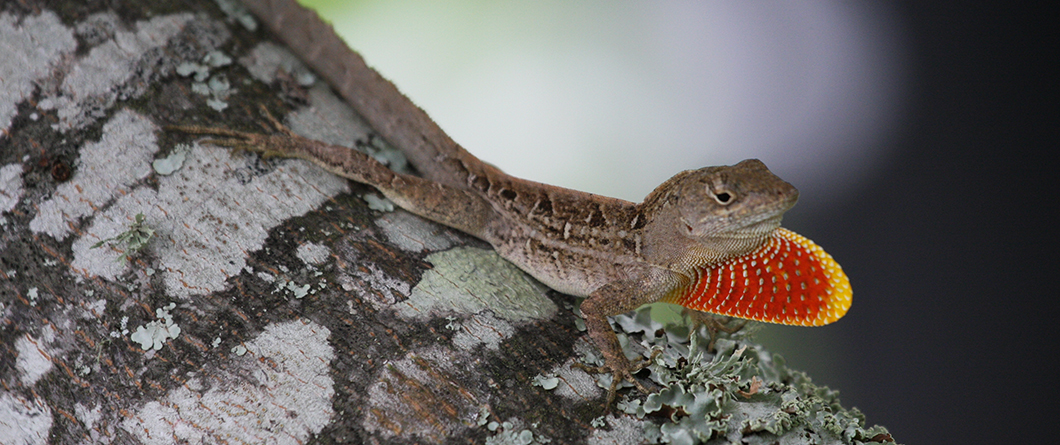
Winter is the headline season, and it is no accident that most of this guide points there. From roughly December through February, the dry season concentrates wildlife across South Florida, manatees fill the Crystal River springs, and wintering waterfowl pack the Merritt Island impoundments. Cooler temperatures, low water levels, and minimal mosquitoes make it the most productive and comfortable stretch of the year. Ding Darling birding peaks in January and February.
Spring shifts the emphasis to migration and breeding. Neotropical migrants move north along the Atlantic Flyway through April and May, and wading birds reach full breeding plumage as rookeries become active, so spoonbills, egrets, and herons show their best color. Alligators grow more active and begin courtship, which adds behavior to the frame rather than just portraits. Merritt Island and Ding Darling both reward a spring visit for nesting activity.
Summer is the off-season for crowds but not for wildlife. The wet season returns to the Everglades, water disperses across the marsh, and mosquitoes thrive, which makes that part of the state harder to work. Coastal and resident birds stay productive, though. Ding Darling holds year-round residents like ospreys, herons, and spoonbills, and nesting shorebirds line the beaches. Afternoon storm light can be dramatic if you are willing to chase it and watch the radar.
Fall reopens the migration window. According to Audubon, fall migration can begin as early as the end of June, with the first migratory shorebirds reaching Florida in July. Songbirds and raptors follow later in the season. By mid-November the cycle closes back toward winter, manatee season opens at Crystal River, and the dry season starts to take hold again.
A simple rule covers most of it. For density and comfort, shoot the winter dry season. For breeding plumage and behavior, shoot spring. For solitude and resident species, accept summer’s heat and storms.
Recommended Camera Gear: Lenses, Tripods, and Equipment for Florida Wildlife Photography
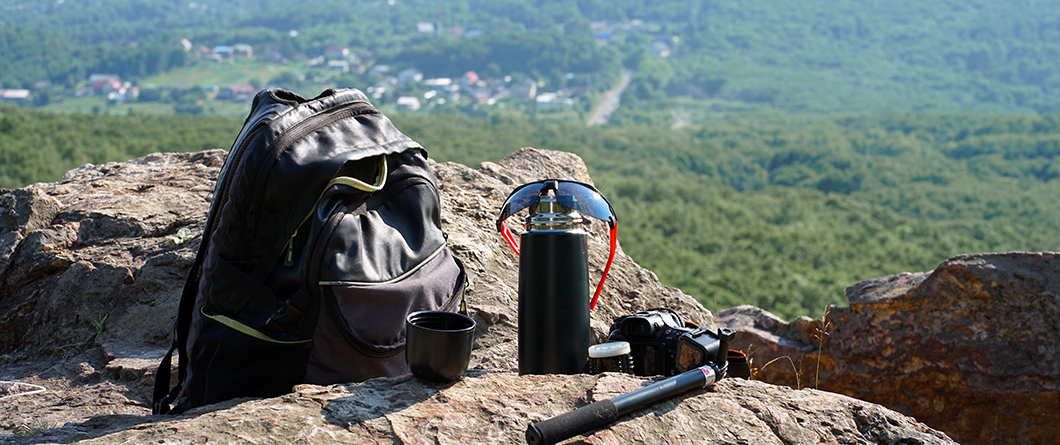
Reach is the first decision. Florida’s wildlife is approachable by wildlife-photography standards, but you still want a telephoto in the 400 to 600mm range for birds and distant subjects. Longer glass does more than enlarge the subject; it lets you fill the frame while keeping a respectful distance, which matters as much for the animal as for the image. A 100-400mm or 100-500mm zoom is the most flexible choice for travel, since it lets you frame a close spoonbill on a boardwalk and a distant raptor without swapping lenses. A teleconverter adds reach when you need it, at the cost of a little light and autofocus speed. For spots like the Anhinga Trail or Black Point, where animals sit close to the path, a shorter 70-200mm earns its place too.
Stability matters as much as reach. Image stabilization handles most handheld shooting, but a long lens gets heavy after an hour on a wildlife drive. A monopod is the practical middle ground for mobility, while a tripod with a gimbal head is worth the bulk if you plan to track birds in flight or wait out a single perch. Turn stabilization off when the camera is locked down on a tripod, since the system can fight itself and soften the image.
A few settings carry most situations. Shoot in continuous autofocus with subject or eye tracking, since a sharp eye is what makes a wildlife frame land. For birds in flight, a common starting point is a shutter speed of 1/1000 second or faster to freeze the wingbeat. Manual mode with auto ISO is a reliable setup for Florida’s high-contrast light, letting you fix shutter speed and aperture while the camera handles the changing exposure.
One filter is worth carrying. A circular polarizer cuts the glare off water and wet feathers, which is exactly the problem you face at the springs and the impoundments, and it is one of the few effects you cannot fully recreate in editing.
Florida itself is hard on gear. Moving a cold camera from an air-conditioned car into humid heat fogs the lens, so let equipment acclimate before you shoot. Pack a rain sleeve for the afternoon storms, keep insect repellent off your lens coatings since the chemicals damage them, and rinse salt and sand off anything exposed near the coast.
Composition and Lighting Techniques for Capturing Wildlife in Action and Landscapes
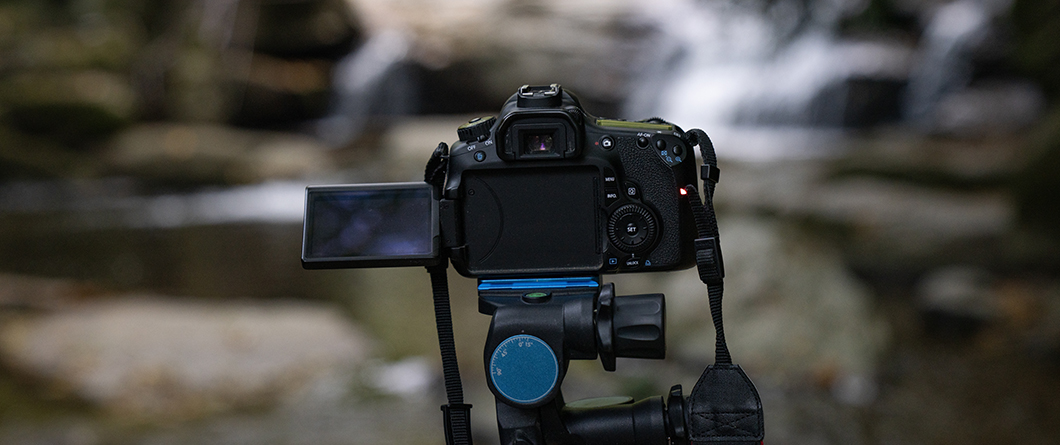
Light does more for a wildlife image than any piece of gear. The hour after sunrise and the hour before sunset give warm, low, directional light that wraps around a subject and puts a catchlight in the eye. Through most of the day, Florida’s sun sits high and harsh, which flattens detail and blows out white birds like egrets and ibis, so the early and late windows are worth building your schedule around. Shooting with the sun behind you front-lights the subject cleanly, while turning into the light can rim a spoonbill or a heron in glowing edge light if you expose for the highlights.
Perspective is the next lever. Wildlife shot from a standing human eyeline tends to look like a snapshot, while dropping to the animal’s eye level creates intimacy and a cleaner background. On a boardwalk or wildlife drive that means shooting through the lowest opening you can manage. A sharp, well-lit eye with a visible catchlight is the single detail that separates a frame that connects from one that does not.
Action and stillness call for different choices. A fast shutter freezes a wingbeat or a strike, while a slower speed paired with smooth panning blurs the background and conveys motion, which suits birds in flight along an open impoundment. Both are worth practicing in the same outing.
Composition ties it together. Leave room in the frame for the animal to move or look into, use the levees, channels, and sawgrass as leading lines, and pull back occasionally to place the subject in its habitat for the landscape-style frames the Everglades and the refuges do so well. Negative space often reads stronger than a tight crop.
None of it justifies pressuring the animal. The best frames come from patience and position, not pursuit. Follow the wildlife viewing ethics that refuge and park managers post: give animals room, never chase or bait a subject for a better shot, and read the signs of alarm. If an animal changes its behavior because of you, you are too close, and the shot is not worth it.
Florida packs an unusual range of wildlife into accessible, protected places, which is what makes it such a rewarding ground for a camera. When you are ready to plan a trip, explore Florida’s natural areas by region and start mapping your route.
Frequently Asked Questions: Permits, Safety, and Photography Ethics in Florida
Do I need a permit to photograph wildlife in Florida’s parks and refuges?
In most cases, no. Under the EXPLORE Act signed in January 2025, individual photographers and small groups do not need a special permit for filming or photography at national wildlife refuges or national parks, as long as the group is eight or fewer people, uses only hand-carried equipment, stays in public areas, and does not disturb wildlife or other visitors. You still pay standard entrance fees or refuge passes, and drone use remains restricted at most sites. Larger productions or shoots that need special access may still require a permit.
When is the best time of year for wildlife photography in Florida?
Winter is the most productive and comfortable window. From roughly December through April, the dry season concentrates wildlife, manatee season runs at Crystal River from November 15 through March 31, and Merritt Island fills with wintering waterfowl. Spring adds breeding plumage and active rookeries, which is when spoonbills, egrets, and herons show their best color.
How close can I safely get to alligators and other Florida wildlife?
Keep your distance and let a long lens do the work. Alligators are wild animals, so stay on boardwalks and marked trails, never position yourself between a gator and the water, and never feed or approach one. A good rule from the National Park Service is simple: if an animal reacts to your presence, you are too close.
What are the rules for photographing manatees at Crystal River?
Crystal River requires passive observation, which means floating quietly at the surface and letting manatees approach rather than chasing or touching them. The FWC and U.S. Fish and Wildlife Service prohibit pursuing, cornering, or entering posted sanctuary zones, and drones are not allowed over the springs. Most photographers go out with a USFWS-permitted operator, which handles the briefing and equipment.
What camera gear do I need to start?
A telephoto lens in the 100-400mm or 100-500mm range covers most Florida wildlife and gives you flexibility from boardwalks to open impoundments. Add continuous autofocus for sharp eyes, a fast shutter for birds in flight, and a circular polarizer to cut glare off water. A monopod or tripod helps once the lens gets heavy.
