


Complete Boating Guide to Florida: Waterways, Tours, and Eco-Friendly Practices
Florida earns its title as the Boating Capital of the World honestly. The state holds more registered vessels than anywhere else in the country and wraps roughly 8,400 miles of tidal shoreline around reefs, flats, lagoons, and spring-fed rivers. That range lets a boater chase open water one day and idle through a mangrove creek the next, all under a climate that keeps the season open every month of the year.
The same waters that make boating here so good are also some of the most fragile in North America. Seagrass meadows feed manatees and shelter young fish, the only living coral barrier reef in the continental United States sits just off the Keys, and one careless wake or dropped anchor can undo growth that took decades. Boating responsibly is what keeps that beauty intact, and the low-impact choices usually make for a better day on the water anyway.
Knowing how to tread lightly matters as much as knowing where to launch. Florida’s best waterways, its certified eco-tour operators, and the rules that protect manatees, reefs, and clean water all reward boaters who slow down and pay attention. First-time renter or lifelong captain, the goal stays the same: enjoy these waters fully and leave them ready for the next trip.
Why Florida Is One of America’s Top Boating Destinations: 8,400 Miles of Coastline
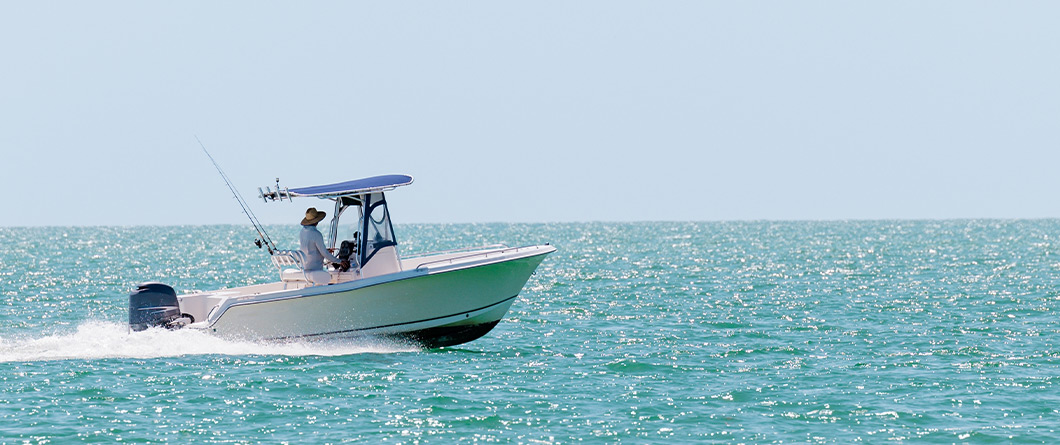
Few states give boaters the range that Florida does. The peninsula carries more than 8,400 miles of tidal shoreline, second only to Alaska according to NOAA’s Office for Coastal Management, wrapping the state in Atlantic surf, Gulf flats, barrier-island passes, and a web of rivers and spring-fed runs. That variety means a captain can chase tarpon in open water one weekend and idle through a mangrove creek the next, all without leaving the state.
Warm weather stretches the season across all twelve months, which is part of why Florida holds its title as the Boating Capital of the World. You can plan a sunrise launch in January or a Gulf cruise in October and still expect water worth getting on. The mix of salt and fresh also shapes what you’ll see on a given day: dolphins and rays offshore, manatees and wading birds in the estuaries, and tropical reef life down in the Keys.
All that access carries responsibility. The same shallow grass flats and reef systems that make boating across Florida so rewarding are easy to damage with a careless wake or a dropped anchor. Knowing where you’re headed, and how to tread lightly once you arrive, is what keeps these waters healthy for the next trip out.
How Many Registered Boats Are in Florida?
The Florida Fish and Wildlife Conservation Commission counted 1,030,053 registered recreational vessels in 2024, and it estimates that close to a million more active but non-registered boats also use state waters. That volume of traffic is exactly why no-wake zones, manatee-protection rules, and clean-boating programs carry the weight they do here.
Florida’s Best Waterways for Boating: Keys, Indian River Lagoon, and Gulf Coast Estuaries
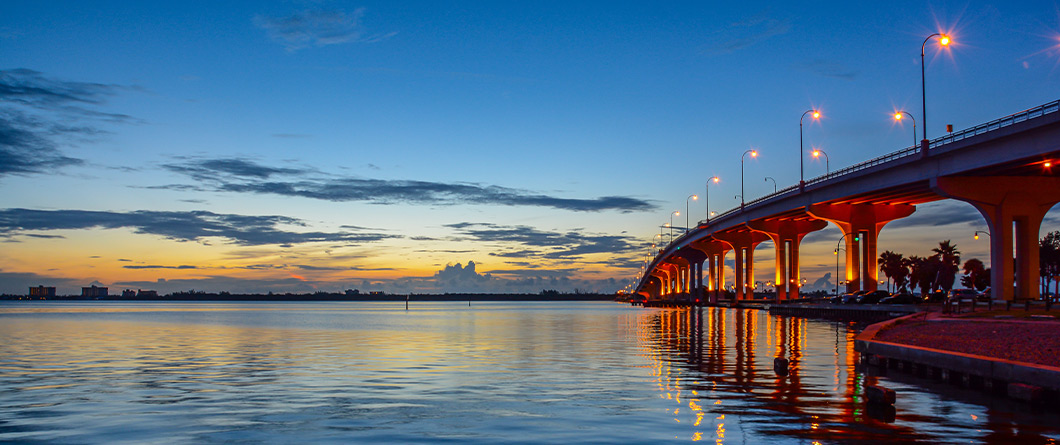
No two Florida waterways feel the same, and that range is the whole appeal. The Florida Keys deliver the postcard version: clear water over the only living coral barrier reef in the continental United States, with shallow flats on the bay side and reef lines on the ocean side. Boaters here run skinny over turtle grass to reach backcountry channels, then anchor in sand patches near the reef to snorkel. It rewards captains who read the water and stay inside the marked channels.
On the Atlantic side, farther north, the Indian River Lagoon offers a calmer, wildlife-dense experience. The 156-mile estuary holds more than 2,100 plant species and 2,200 animal species, which Florida State Parks ranks among the most biologically diverse estuaries in North America. Average depths run only about four feet, so the lagoon suits flats skiffs, pontoons, and paddlecraft far better than deep-draft boats. Dolphins, manatees, and roseate spoonbills make for regular company.
The Gulf Coast trades surf for shelter. Estuaries like Charlotte Harbor and the Ten Thousand Islands near Everglades National Park form a maze of mangrove islands, oyster bars, and seagrass meadows that double as nurseries for snook, redfish, and tarpon. These protected waters make for easy, scenic cruising, and they connect to some of the state’s best fishing grounds. Central Florida adds a freshwater counterpoint, with the St. Johns River and spring-fed runs offering slow, shaded miles well away from the coast.
Top Eco-Friendly Boat Tours in Florida: Mote Marine, Everglades Area Tours, and More
A guided tour is the lowest-impact way to see Florida’s most sensitive waters, and the best operators build conservation into every trip. One marker worth looking for is certification from the Florida Society for Ethical Ecotourism, a statewide program that scores operators against core sustainability criteria and awards Bronze, Silver, and Gold designations. Booking a certified guide means your money supports the people working to keep these ecosystems intact.
On the Gulf Coast, Mote Marine Laboratory anchors the science-forward end of the spectrum. The Sarasota research institution dates to 1955 and runs 20 active research programs, and its Sarasota Bay Explorers tours put a marine biologist on the boat alongside the captain. Guests cruise the bay’s seagrass flats and mangrove islands looking for resident bottlenose dolphins and manatees while the guide explains what they are seeing. A working lab’s worth of expertise gets packaged into a couple of hours on the water.
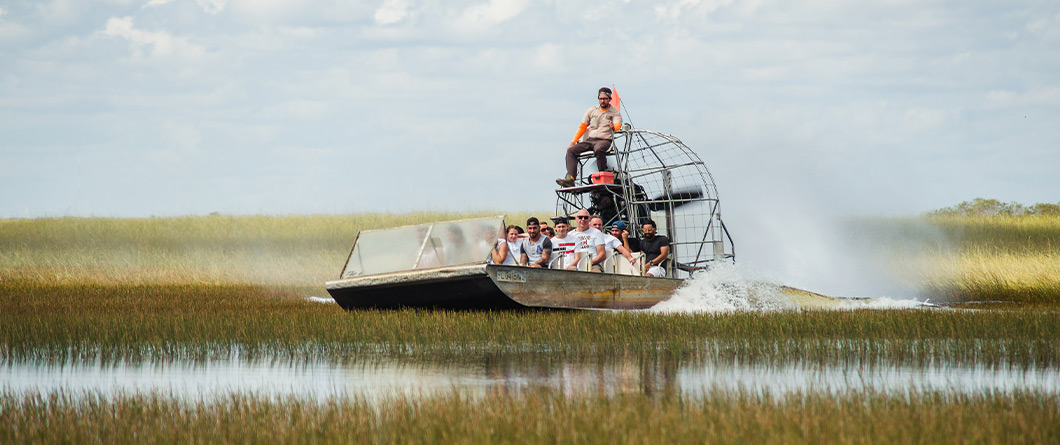
Down south, Everglades Area Tours has guided power-boat, paddle, and hiking trips through Everglades National Park and the Ten Thousand Islands since 1997. The company is certified by the Florida Society for Ethical Ecotourism and staffs its trips with formally trained Florida Master Naturalists, so a two-hour run through the mangroves comes with real interpretation of the ecosystem you are crossing. Their boat tours regularly turn up dolphins, manatees, sea turtles, and wading birds.
Plenty of other certified operators run guided boating trips across the state, from Biscayne Bay to the spring runs of Central Florida. The common thread is small groups, knowledgeable guides, and an operating philosophy built around leaving the habitat the way they found it.
Florida Keys National Marine Sanctuary: Boating Through 2,900 Square Nautical Miles of Habitat
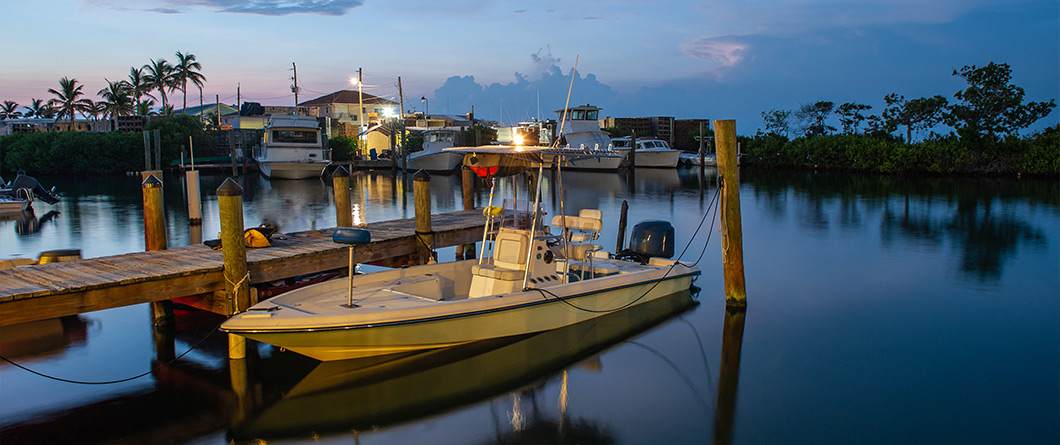
The moment you set foot in Keys’ waters, you have entered a protected federal sanctuary. The boundary runs all the way to the mean high-water mark, which means nearly every cruise, dive, and fishing trip in the Keys happens inside Florida Keys National Marine Sanctuary. That status comes with rules built to protect coral and seagrass that took centuries to grow.
Anchoring is the big one. Dropping an anchor on living coral is prohibited, and so is anchoring in seagrass, so the sanctuary maintains more than 600 free mooring buoys at popular reef sites for boaters to tie up to instead. They work on a first-come basis at no cost. When no buoy is open, and you sit outside a no-anchor zone, the move is to set the hook in bare sand well clear of coral and grass.
The stakes are real. NOAA reports more than 300 boat groundings in the sanctuary each year, and nearly 80% of them damage seagrass habitat. Fines for marine resource injuries caused by groundings and prop scarring can reach up to $100,000. Knowing your draft, watching the tide, and taking the sanctuary’s free boater education course before you launch are the cheapest insurance you can get.
How Big Is the Florida Keys National Marine Sanctuary?
Florida Keys National Marine Sanctuary protects roughly 2,900 square nautical miles of water stretching from south of Miami out to the Dry Tortugas. Within that footprint sit more than 6,000 marine species and the only living coral barrier reef in North America, according to NOAA, along with extensive seagrass beds and mangrove-fringed islands. The scale of what the sanctuary holds is exactly why its boating rules run as tight as they do.
Protecting Manatees, Dolphins, and Sea Turtles: No-Wake Zones and Safe Boating Distances
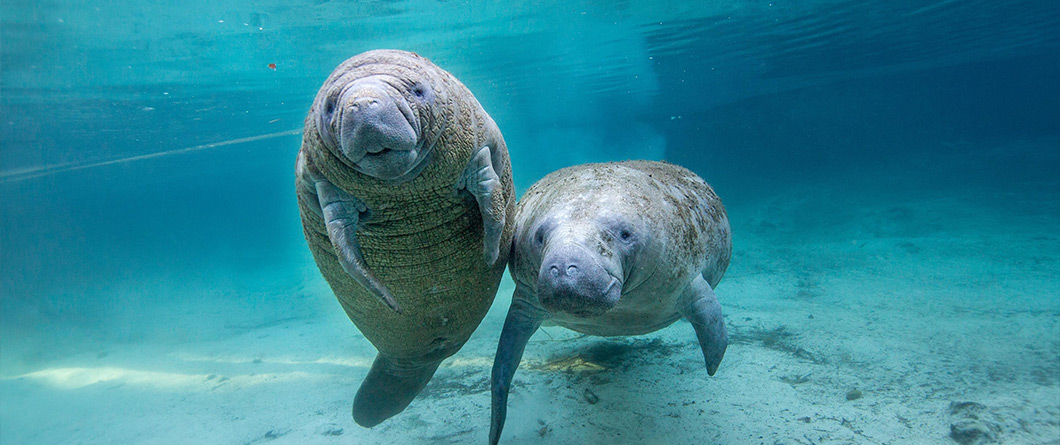
Florida’s signature wildlife shares the same shallow, sheltered water that makes boating here so good, and that overlap is where most of the trouble starts. Boat strikes rank among the leading causes of manatee injury and death in the state, which is why the Florida Fish and Wildlife Conservation Commission posts seasonal manatee protection zones, many running from November 15 through March 31 when the animals gather in warmer water. Inside a posted Idle Speed/No Wake zone, you run only fast enough to hold steerage and nothing more.
Slowing down protects more than the animals themselves. The seagrass beds manatees feed on sit just under the surface in these same areas, and a fast hull or spinning prop tears long scars through grass that can take years to grow back. Staying in marked channels, trimming up in the shallows, and wearing polarized sunglasses to cut surface glare all help you spot wildlife and keep the boat off the bottom. A quiet paddlecraft is one of the gentlest ways to watch manatees at all.
Distance matters once you do find wildlife. NOAA Fisheries asks recreational boaters to stay at least 50 yards from dolphins and sea turtles, and to never feed, chase, or box them in against the shore. If you want a longer look, cut the motor and let the animals come to you. Anyone who spots an injured or distressed manatee can report it to the FWC Wildlife Alert Hotline at 888-404-3922.
How Far Should Boaters Stay From a Manatee?
The Save the Manatee Club recommends keeping at least 50 feet between your boat and any manatee, and cutting your motor if you want to watch one. The distance matters because watercraft account for roughly 25% to 30% of all manatee deaths in Florida, according to the Florida Fish and Wildlife Conservation Commission, with most fatal strikes happening in the shallows where manatees feed. Slowing down and giving them room is the single most effective thing a boater can do to keep that number from climbing.
Florida’s Clean Boater Program: Pollution Prevention and Pumpout Station Requirements
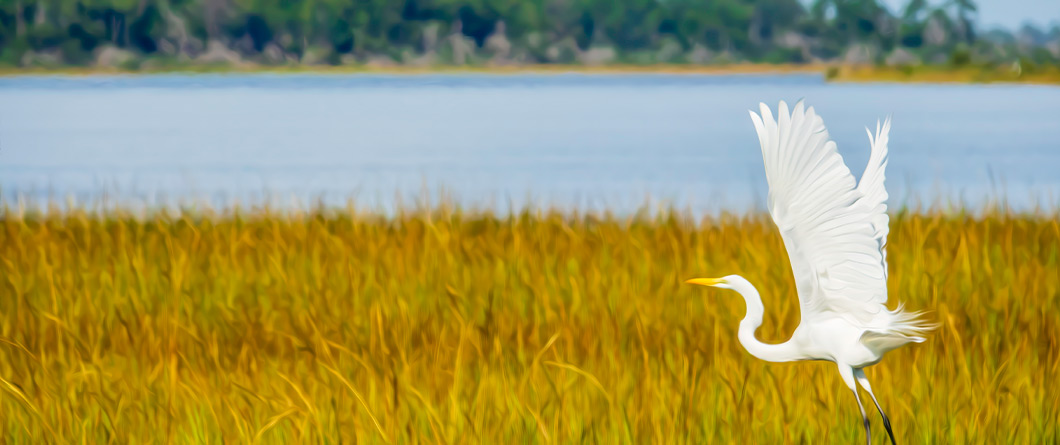
Keeping fuel, sewage, and trash out of the water is the most basic form of respect a boater can show Florida’s waterways, and the state built a program around exactly that. The Florida Department of Environmental Protection runs the Clean Boater Program, launched in 2001 as part of its Clean Vessel Act work, to help recreational boaters adopt simple pollution-prevention habits. Boaters who take the pledge commit to disposing of waste properly, recycling, and protecting the seagrass and fisheries that clean water keeps healthy. Its sister effort, the Clean Marina Program, certifies marinas that meet environmental best practices well beyond what the law requires.
Sewage is the headline issue. Discharging raw waste fouls the water and can spread contaminants, so vessels with installed toilets carry a marine sanitation device and use pumpout stations to empty their holding tanks. Florida designates No Discharge Zones where even treated sewage is off limits, including the entire Florida Keys National Marine Sanctuary, the waters around Key West, and Destin Harbor. The free Pumpout Nav app maps the nearest stations, and many fall under a state cap of just a few dollars per use.
The smaller habits add up. Bilge socks soak up oil before it reaches the water, fueling collars catch spills at the pump, and EPA Safer Choice cleaning products keep harsh chemicals out of the marine environment. Stowing trash securely so nothing blows overboard rounds out the basics. Choosing a designated Clean Marina for fuel and provisioning is an easy way to support operators already doing this work with your boating dollars.
What Is Florida’s Clean Boater Program?
The Clean Boater Program is a voluntary Florida DEP initiative, started in 2001, that educates recreational boaters on preventing water pollution. Through its companion Clean Vessel Act grant program, the state has grown Florida’s pumpout network from 135 stations to nearly 400 and awarded more than $7 million toward building and maintaining them. That infrastructure gives boaters a convenient, low-cost alternative to discharging sewage into the water.
Sustainable Boating Practices: Fuel Efficiency, Biodegradable Products, and Seagrass Protection
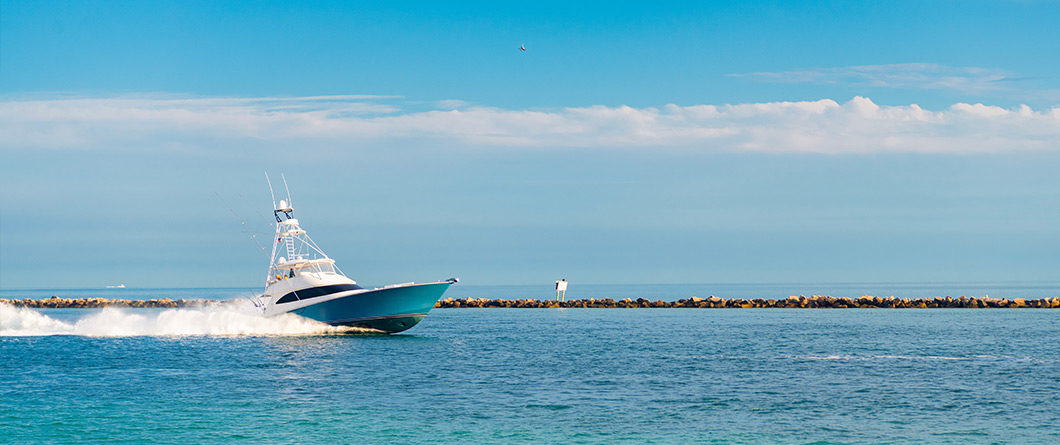
Small choices at the helm add up to a much lighter footprint. Fuel efficiency is the easiest place to start, because the habits that save gas also cut emissions and wake. A well-maintained four-stroke engine burns far cleaner than an old two-stroke, and most boats hit their fuel sweet spot in the mid-range RPMs rather than at wide-open throttle. Lightening your load, planning a direct route, and cutting needless idling all stretch a tank further while putting less oil and exhaust into the water.
What you bring aboard matters as much as how you run the boat. Biodegradable soaps keep harsh detergents out of the water during washdowns, and reef-safe sunscreen spares coral and seagrass from chemicals like oxybenzone and octinoxate that research links to reef damage. Pairing those with EPA Safer Choice cleaners keeps your whole kit friendlier to the habitats you came to enjoy. Stowing reusable bottles instead of single-use plastic cuts the trash that tends to blow overboard.
Seagrass deserves special care, since the damage boaters cause is almost entirely avoidable. Reading the water helps, and the old saying “brown, brown, run aground” warns that dark patches mark shallow reef or grass.. If you do run aground, Florida Sea Grant says to stop, kill the motor, trim up, and pole or push your boat out the way you came in rather than gunning it, since powering off can carve scars that take more than 10 years to heal. Those few seconds of restraint protect grass that feeds manatees and shelters young fish, the same boating waters everyone wants to keep healthy.
Essential Boating Regulations and Safety Requirements for Florida Waters
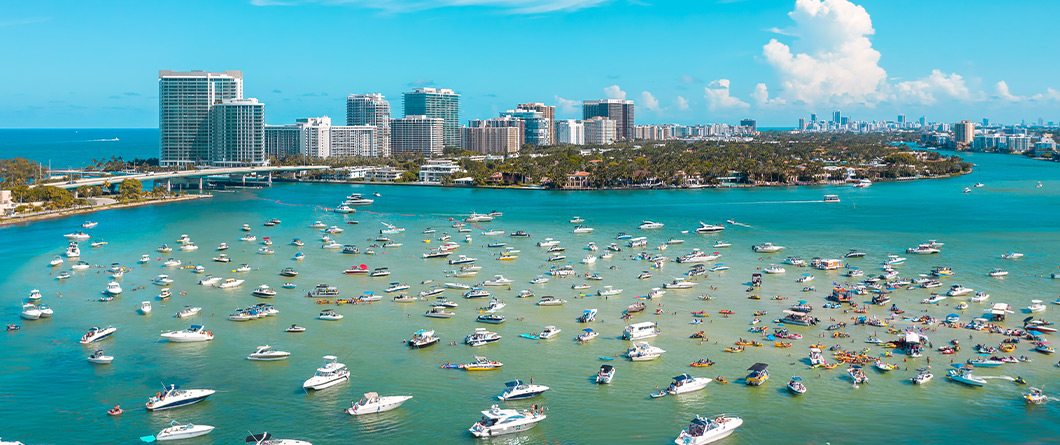
Florida keeps its rules practical, and a little prep before launch covers most of them. Anyone born on or after January 1, 1988, must carry a Boating Safety Education ID Card to operate a vessel with 10 horsepower or more, and the card is good for life once you pass an approved course. Visitors can satisfy the same requirement with a temporary certificate valid for 90 days. Every motorized vessel must also be registered with the state, though paddlecraft and other non-motorized boats under 16 feet are exempt.
Safety gear is the next box to check. Florida requires a wearable USCG-approved life jacket for every person aboard, and any child under 6 must wear one while a boat under 26 feet is underway. Vessels 16 feet and longer also need a throwable flotation device within reach. Round out the kit with a fire extinguisher, a sound-signaling device, visual distress signals for coastal waters, and an engine cut-off switch lanyard clipped to the operator.
How you run the boat closes the loop. Operating with a blood alcohol level of 0.08% or higher counts as boating under the influence and carries real penalties, and careless or reckless handling does too. If an accident causes injury requiring more than simple first aid, a death or disappearance, or at least $2,000 in property damage, the operator must report it to the FWC as quickly as possible. Knowing right-of-way, watching your speed, and keeping a clear head are the habits that protect your crew and the Florida waterways worth conserving.
Florida rewards boaters who slow down and pay attention, and the payoff is some of the most diverse water in the country. Whether you book a certified eco-tour or chart your own quiet stretch of coast, start by browsing the boating options and regional guides across the state. Treat these waters gently, and they will be just as worth the trip next season.
Frequently Asked Questions About Boating and Eco-Friendly Practices in Florida
Do I need a license to operate a boat in Florida?
Florida does not issue a traditional boating license, but anyone born on or after January 1, 1988, must complete an approved safety course and carry a Boating Safety Education ID Card to run a vessel of 10 horsepower or more. The card is good for life. Visitors can boat legally with a temporary certificate valid for 90 days, which is worth arranging before a rental trip.
When is the best time of year for boating in Florida?
Florida offers year-round boating thanks to its mild climate, so the best season depends on what you want to see. Winter, roughly November through March, brings manatees into warm-water havens and triggers seasonal no-wake zones, while summer delivers calm mornings before the afternoon thunderstorms that roll through most days. Spring and fall tend to offer the steadiest weather and lighter crowds for exploring any region of the state.
Where can I find a pumpout station in Florida?
The free Pumpout Nav app maps sewage pumpout stations across the state, and most designated Clean Marinas offer them on site. Many stations built with Clean Vessel Act funds cap the fee at just a few dollars, and some are free. Using them keeps raw sewage out of the water, which matters most in Florida’s No Discharge Zones like the Florida Keys and Key West.
How do I choose an eco-friendly boat tour?
Look for operators certified by the Florida Society for Ethical Ecotourism, which vets tours against sustainability standards, and for guides trained as Florida Master Naturalists. Small group sizes, science-based interpretation, and an operator that ties to mooring buoys instead of anchoring near reefs are all good signs. Booking a certified guide puts your money toward the people protecting these habitats.
What happens if I damage seagrass or coral while boating?
Running aground or prop-scarring protected habitat can bring steep penalties, including fines reaching up to $100,000 for marine resource injuries inside the Florida Keys National Marine Sanctuary. Beyond the cost, that damage can take more than a decade to heal. Reading the water, staying in marked channels, and trimming up in the shallows keep you clear of both the habitat and the fines.
