


Bioluminescent Kayaking in Florida: Where to See Glowing Waters at Night
Few outdoor experiences in Florida feel as surreal as paddling through water that lights up with every stroke. On summer nights, microscopic organisms in the state’s coastal estuaries flash blue-green whenever something disturbs them, outlining fish, trailing off paddle blades, and swirling around hands dipped over the side of a kayak. The northern Indian River Lagoon on the Space Coast is where that glow shows up most reliably, and night kayaking has become one of the region’s signature eco-adventures.
Seeing it at its best takes some planning. The organisms behind the glow change with the seasons, moonlight affects how sharply it reads, and summer storms have a way of rearranging plans. Tour styles vary as well, and clear kayaks offer a straight-down view into the water that changes how the experience feels.
Knowing where to launch, which month to go, and what to expect on the water sets up a night people talk about for years. The dark waters around Merritt Island lead the list, with more options available in Tampa Bay, on Marco Island, and in St. Augustine for travelers exploring other corners of the state.
What is Bioluminescent Kayaking and Why Florida’s Space Coast is World-Famous for It
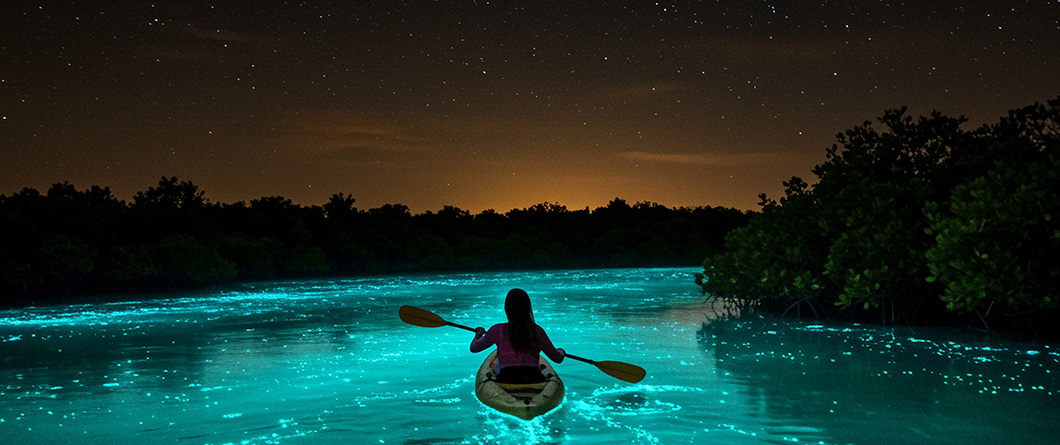
Bioluminescent kayaking puts paddlers directly inside one of the ocean’s strangest light shows. Every stroke of the paddle disturbs microscopic organisms in the water, and those organisms respond by flashing blue-green light, turning a dark lagoon into something that looks as if it were lifted from a science fiction film. The activity itself is simple: climb into a kayak after sunset, paddle into calm water, and watch the glow ripple out from your hull, your hands, and every fish that darts past below you.
Florida’s Space Coast has built its reputation on this exact experience, and the geography explains why. Inside the Merritt Island National Wildlife Refuge, there are 140,000 acres of protected land, and artificial light is kept to a minimum. Dark skies matter here almost as much as the organisms themselves, since bioluminescence reads as a faint glow rather than a bright light, and any competing illumination washes it out.
What sets the Space Coast apart from other bioluminescent destinations worldwide is its consistency. The Indian River Lagoon delivers two distinct bioluminescent seasons each year, with dinoflagellates lighting up summer nights from June to October, and comb jellies taking over from October through May. That year-round rotation is a big part of why the region draws paddlers from across the country, specifically for this activity.
The result is an activity that works for total beginners. No prior kayaking experience is required; the water in the lagoon stays calm and shallow, and guides handle the navigation while paddlers focus on watching the glow build with every stroke.
The Science Behind the Glow: Dinoflagellates, Comb Jellies, and Florida’s Bioluminescent Organisms
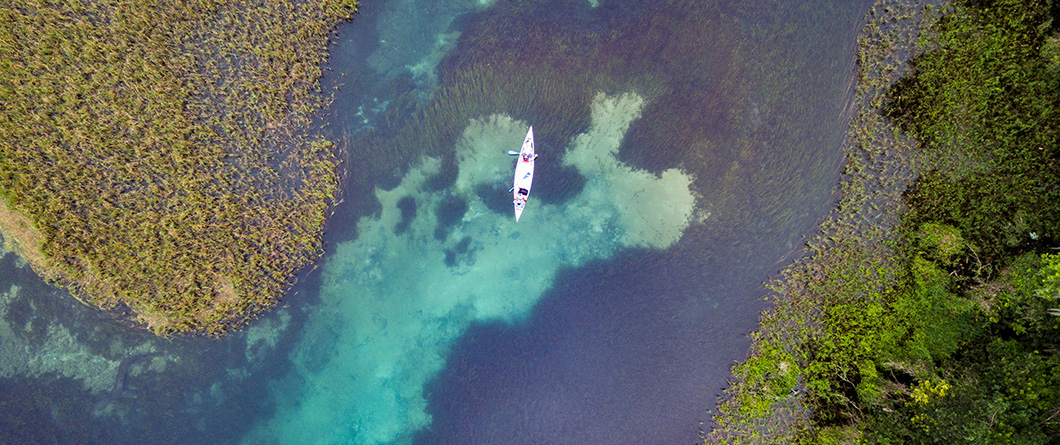
Two very different organisms take turns lighting up the Indian River Lagoon, and knowing which one is on display changes what you should expect from a night on the water. Dinoflagellates run the show from roughly June through early October. These single-celled organisms are far too small to see individually, yet together they produce enough light to trace the outline of a fish swimming beneath your kayak.
The mechanism behind that glow comes down to basic chemistry. The dinoflagellate species responsible produces light through a chemical reaction between a compound called luciferin and an enzyme called luciferase, triggered the instant it’s disturbed by a paddle stroke, a boat engine, or a passing fish. The same species favors high salinity and warm water, which is why the northern Indian River Lagoon becomes such a reliable habitat once summer arrives. Marine biologist Dr. Edith Widder has noted that P. bahamense prefers water temperatures above 72 degrees Fahrenheit, which explains why the display fades once Florida’s water cools in the fall.
When the dinoflagellates thin out, comb jellies take over the lagoon through the cooler months. Often mistaken for jellyfish, they belong to a separate group of gelatinous animals that don’t sting, and they’re named for the rows of comb-like cilia running down their bodies. Their flashes are softer and more scattered than the constant sparkle dinoflagellates create underwater.
The glow itself serves a defensive purpose. Scientists believe that the flash startles or distracts predators long enough for the organism to escape, though the phytoplankton can’t tell a real threat from a curious kayaker, which is why paddles, hands, and boat wakes all trigger the same reaction. Pyrodinium bahamense also draws scientific attention for another reason. The species produces a neurotoxin called saxitoxin, which is why the FWC monitors its blooms in the lagoon and tests local shellfish through an ongoing program with state agriculture officials.
How Bright Does the Lagoon Actually Get?
The Indian River Lagoon gets bright enough to light up every paddle stroke, with dinoflagellates often numbering more than 100,000 per liter of water from June through early October. At that density, even a light stroke sends a visible streak of blue-green light trailing through the dark. Paddlers frequently describe the effect as closer to a light show than a subtle nighttime detail.
Indian River Lagoon: The Bioluminescence Capital of North America and Best Launch Sites
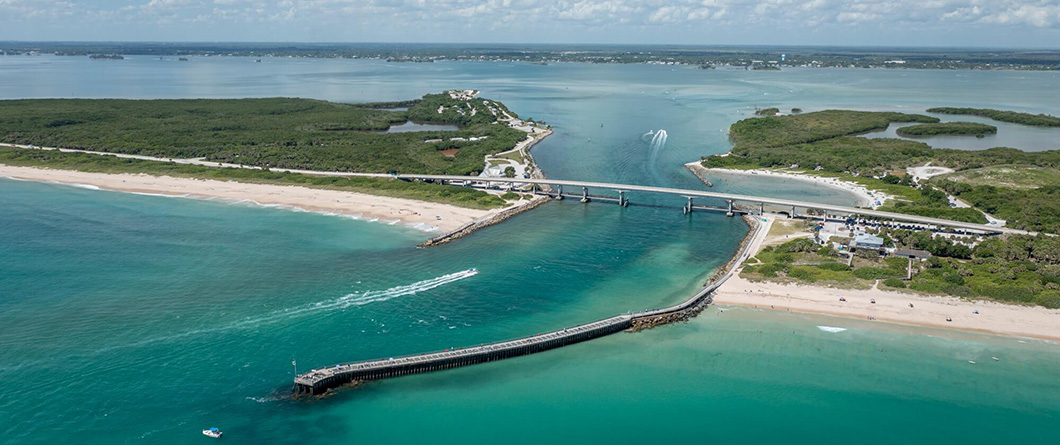
Few places on the continent glow as dependably as the northern Indian River Lagoon. The estuary runs 156 miles along Florida’s east coast, and its sheltered northern stretch hosts the most reliable natural bioluminescence display in the United States. That track record is why the region comes up first whenever travelers ask where to see glowing water without having to book a flight to Puerto Rico.
Most guided trips launch inside or near the Merritt Island National Wildlife Refuge, where protected land keeps the night sky dark. Haulover Canal, connecting the Indian River to Mosquito Lagoon at the north end of the refuge, is a preferred launch area for kayakers and a regular starting point for night tours. Independent paddlers often use the Bairs Cove boat ramp on the canal’s southwest side, which requires a paid refuge pass to launch.
Two Brevard County parks round out the most useful access points. Parrish Park in Titusville sits on the A. Max Brewer Causeway at the gateway to the refuge, with a six-lane motorized boat ramp, free parking, and direct access to the Indian River. Farther south, Kiwanis Island Park on Merritt Island has a natural launch area into Sykes Creek, which leads toward the Banana River.
The tour scene here has deep roots. A Day Away Kayak Tours has guided paddlers on the Space Coast since 1996 and describes itself as a pioneer of bioluminescent kayaking in North America, with both traditional and clear-kayak tours through the refuge. That kind of local knowledge matters on water, where tides, wind, and clouds all shape what you actually see on a given night.
BK Adventure runs traditional and clear-kayak bioluminescence tours, with clear-kayak launches at both Kiwanis Island Park and the refuge near Kennedy Space Center. Cocoa Kayaking leads its summer bioluminescent tours through the Thousand Islands of Cocoa Beach and suggests booking around the new moon for the strongest glow. Those dark-sky dates tend to be the most requested nights of the season, so locking in a reservation early is the safest plan.
Florida Space Coast Bioluminescence: Cocoa Beach, Titusville, and Merritt Island Wildlife Refuge
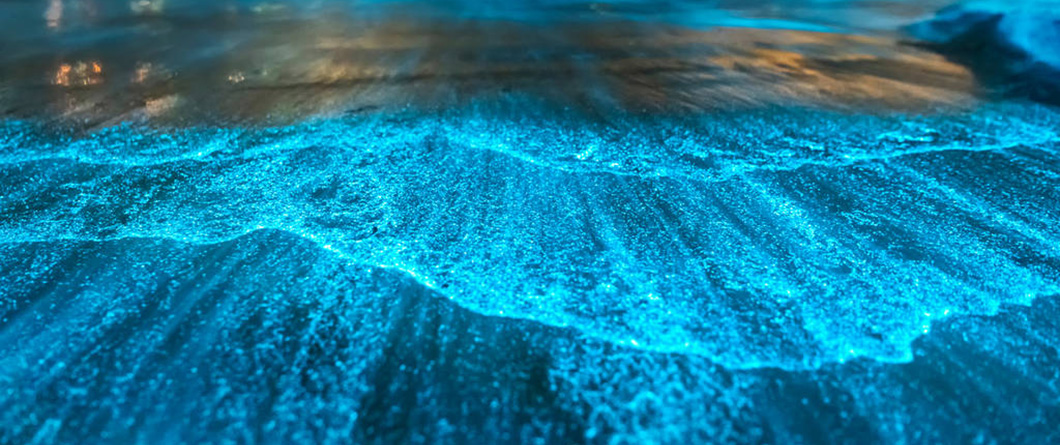
Where you base yourself on the Space Coast shapes the rest of a bioluminescence trip. Cocoa Beach, Titusville, and Merritt Island National Wildlife Refuge sit within a short drive of one another, yet each pairs the night paddle with a very different kind of day. Planning around those differences turns a single tour into a full itinerary.
Cocoa Beach suits travelers who want the glow as an add-on to a beach vacation. Paddling here centers on the Thousand Islands, a 338-acre conservation area on the Banana River side of town, where nearly every island is reachable only by boat. The narrow mangrove channels feel more enclosed than the open lagoon farther north, which appeals to first-time paddlers who prefer calm, sheltered water. Fin Expeditions, a family-owned outfitter exploring these waters since 2005, offers bioluminescence experiences in this area.
Titusville brings space history into the picture. Downtown’s Space View Park sits less than 15 miles across the Indian River from the Kennedy Space Center launch pads. Visitors who time their trip around the launch calendar can watch a rocket climb over the river and still have the rest of the week open for a night on the water. For the paddle itself, Get Up and Go Kayaking keeps its Titusville clear-kayak groups to 14 paddlers with two guides, and the company offers a full refund if a tour doesn’t show any bioluminescence.
Merritt Island National Wildlife Refuge rewards anyone who visits during the day before paddling it at night. Black Point Wildlife Drive, a 7-mile auto tour, is the refuge’s most popular wildlife viewing area, winding past shallow marshes where wading birds, alligators, and waterfowl feed. Driving it in the afternoon gives paddlers a feel for the estuary’s layout and the animals that live in it, so the glowing shapes they spot under the kayak that night make a lot more sense.
What Wildlife Can You See on a Merritt Island Bioluminescence Tour?
Paddlers on a Merritt Island bioluminescence tour share the water with a refuge where 358 bird species, 140 fish species, and 15 federally listed threatened and endangered species have been documented. Because bioluminescent organisms light up in response to movement, fish, rays, and even manatees passing beneath a kayak can appear as glowing shapes in the dark water. Dolphins and wading birds are common sightings on sunset departures before full darkness sets in.
Beyond the Space Coast: Tampa Bay, Naples, and St. Augustine Bioluminescent Kayaking Options
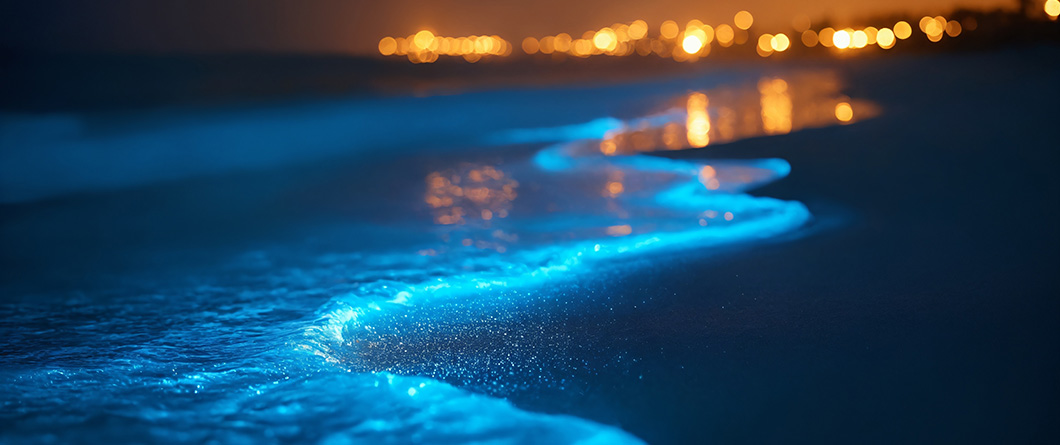
Glowing water shows up in several other Florida estuaries, though conditions outside the Space Coast shift more from one night to the next. Travelers based on the Gulf Coast or in North Florida can still find guided options closer to home. Checking recent conditions with an outfitter is the best way to pick a date.
Tampa Bay’s glow concentrates in its northernmost segment. Old Tampa Bay experiences recurring summer blooms of Pyrodinium bahamense, the same dinoflagellate responsible for the Indian River Lagoon’s summer light show. The Tampa Bay Estuary Program tracks those blooms closely as part of its water quality work in that part of the bay. Safety Harbor, on the bay’s western shore, is a popular starting point for summer glow paddles, and Tocobaga Tours has run kayak rentals and guided eco tours from the Safety Harbor marina since 2002.
West coast bioluminescence can vary a lot from year to year, and bloom intensity depends on water temperature, rainfall, and nutrient conditions. Local outfitters watch those patterns closely and know how the current season is shaping up. Asking how their recent tours have gone is the quickest way to land on a promising date.
Southwest Florida calls for a little extra homework. On Marco Island, Kayak Marco Island launches its tours from Capri Paddlecraft Park and schedules bioluminescence trips on nights dark enough to see the glow, and paddlers there often spot flashing comb jellies alongside dinoflagellates. Naples also has popular evening “glow” tours near Wiggins Pass. Get Up and Go Kayaking’s Naples sunset and glow tour, for example, lights the water around its clear kayaks with custom LEDs after sunset. It makes for a fun night on the water, but the light comes from the equipment, so travelers set on seeing living bioluminescence should confirm which kind of tour they’re booking.
St. Augustine has recently been added to Florida’s bioluminescence map. BK Adventure’s St. Augustine tours launch from the Vilano Boat Ramp, roughly 1.5 miles from the historic district, and the sunset departure takes in views of the Castillo de San Marcos and the Great Cross before the water starts to glow. A later nighttime tour is also available for guests who want to focus on the bioluminescence. The mix of history and natural light makes it a strong option for travelers already exploring North Florida’s Atlantic coast.
Best Time to See Bioluminescence in Florida: Seasonal Guide From June Through October
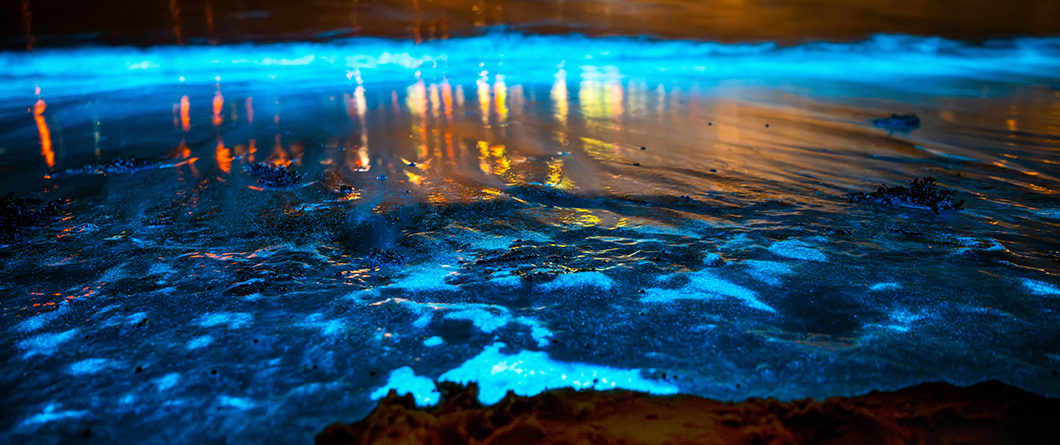
Florida’s glowing water runs on a calendar set by water temperature, and each month of the season brings a slightly different experience. The dinoflagellates behind the brightest displays multiply as estuaries warm and fade once the water cools. Picking the right month comes down to balancing brightness against heat, storms, and your own schedule.
June is when the season starts to build. Water temperatures climb quickly on the Space Coast, and the glow typically grows stronger as the month goes on. Operators set their windows a little differently, and Cocoa Kayaking notes that dinoflagellate bioluminescence can appear as early as May and last as late as October along the Space Coast. Early summer tours tend to start later in the evening, since the sun doesn’t set until well into the night.
July and August usually deliver the most dependable displays, with the warmest water of the year keeping dinoflagellate populations high. Summer in Florida also means afternoon thunderstorms and warm, humid evenings, so a little preparation goes a long way. Long sleeves, insect repellent, and a water bottle earn their place in the day bag. Nights around the new moon during these months rank among the best of the year.
September keeps the glow going while the lagoon holds its summer warmth, but it also lands at the height of storm season. The Atlantic hurricane season peaks around September 10, with most activity between mid-August and mid-October, which means late-summer trips need some flexibility. Booking with an outfitter that reschedules for weather keeps the door open to the strongest weeks of the year.
October marks the handoff. As water temperatures drop, the dinoflagellate display thins out, and comb jellies begin taking over the lagoon’s light show. The edges of the season have also been shifting. Researchers have observed Pyrodinium bahamense blooms in the Indian River Lagoon increasing in duration and intensity, starting earlier in spring and extending into early winter. Shoulder-season nights can surprise paddlers, so check an operator’s recent reports before ruling out May or late October.
When is Peak Bioluminescence Season in Florida?
Florida’s bioluminescence peaks in summer, and state scientists who track the glowing dinoflagellate Pyrodinium bahamense in Tampa Bay sample twice a month from April through September, then scale back to monthly checks during the October through February non-bloom period. The species’ growth is closely tied to water temperature, so blooms in the Indian River Lagoon and Tampa Bay are most common as the state’s estuaries warm. For paddlers, that makes July through September the most reliable window for bright, natural glow.
Clear Kayaks vs. Traditional Kayaks: Choosing the Right Tour Experience for Florida Bioluminescence
The kayak you choose shapes what you see far more than how much the water glows. Bioluminescent organisms respond to movement, so every paddle stroke, trailing hand, and passing fish lights up the water, no matter what the boat is made of. What changes is the viewing angle. A clear hull adds a window straight down, while a traditional kayak keeps the focus on the surface around you.
Clear kayaks have become the headline option on the Space Coast for good reason. A Day Away Kayak Tours builds its clear-bottom fleet from Innovex, a durable plastic composite formed into the hull so water and light appear to rise around the paddler. On a strong night, fish darting under the boat look like streaks of blue light, and the motion of the kayak sends sparks rushing beneath your seat. The same company welcomes children ages 5 and up on its clear kayak tours, making the experience workable for most families.
That upgrade comes with a higher price and tighter availability. On A Day Away’s lineup, the standard dinoflagellate tour is listed at $60 per person, while the clear kayak bioluminescence tour runs $75 per person. Because outfitters keep fewer clear kayaks on hand, those seats tend to fill first during peak season, so travelers with fixed dates should book them early.
Traditional kayaks hold their own, especially in July and August when dinoflagellate populations run high. The glow blooms off the paddle blade, swirls behind the stern, and outlines fish swimming alongside the boat. Tandem kayaks also keep couples and parents with young kids in the same boat, which many families prefer on a dark tour, where guides want groups to stay close together.
Choosing between the two usually comes down to budget, timing, and the season you’re visiting. Clear kayaks make the most sense for travelers who booked well ahead and want the most immersive view, and they’re especially useful in fall and winter. A Day Away runs its comb jelly tours in clear-bottom kayaks, since spotting jellies drifting beneath the hull is a big part of that experience. Traditional kayaks stay available closer to the date, work well for larger groups, and leave room in the budget for a second night on the water.
What to Expect on a Florida Bioluminescence Tour: Booking, Moon Phase, and Weather Conditions
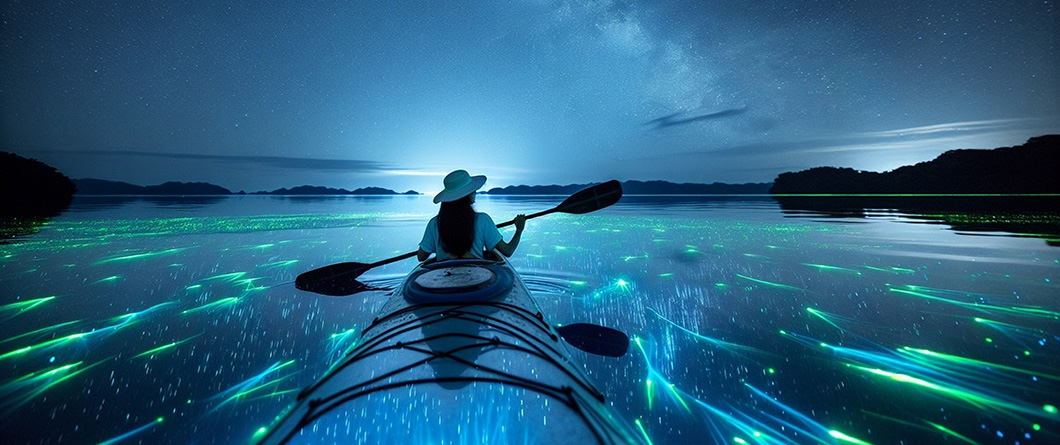
Booking a bioluminescence tour takes a little more homework than reserving a daytime paddle, mostly because every outfitter handles weather and cancellations differently. Some refund guests outright, while others lean on credits. Otter Paddle Orlando, for example, reschedules or issues a non-expiring gift card for weather cancellations rather than a refund, and it needs at least two guests booked for a tour to run. Reading those terms before checkout tells you exactly how the night plays out if a storm moves through.
Once you arrive at the launch, expect a short gear fitting and safety talk before the group heads out. Life jackets are standard, guides keep paddlers close together, and most launches are simple boat ramps or sandy put-ins with limited facilities. Plan on wet feet at a minimum. Water shoes, a towel, bug spray, and a dry change of clothes for the ride home make the evening far more comfortable.
The moon phase has a greater effect on the glow than most first-timers expect. Moonlight competes with bioluminescence, so the nights around a new moon deliver the sharpest contrast. Timing matters as much as the phase itself, since a full moon rises at sunset and stays up until sunrise. In the week after a full moon, the moon rises later each night, which can leave a darker window early in the evening for travelers who can’t time their trip with the new moon.
The weather on the day of the tour isn’t always a deal breaker. BK Adventure notes that its tours rarely cancel due to rain and sometimes hold departures for up to 30 minutes while the weather clears, while lightning and high winds lead to rescheduling. The same outfitter lists hot weather, a recent rainstorm, and a dark night as the best combination for bright bioluminescence, so a passing afternoon shower can work in your favor.
Do Florida Bioluminescence Tours Run in the Rain?
Most Florida bioluminescence tours can run through light rain but stop for thunderstorms, since lightning can strike more than 10 miles from a storm. Guides watch radar closely during Florida’s summer storm season and pull groups off the water at the first sign of thunder. That’s why a tour may be postponed or rescheduled even when the sky directly overhead looks clear.
Frequently Asked Questions About Bioluminescent Kayaking in Florida
How much does a bioluminescent kayak tour cost in Florida?
Guided tours on the Space Coast are fairly affordable for a once-in-a-lifetime experience, with Brady Yaks pricing its bioluminescent tours at $55 per person. Clear kayaks, sunset combination tours, and private trips sit at the higher end of the range. Comparing two or three operators around your preferred date is the easiest way to find the right fit.
Do you need kayaking experience for a bioluminescence tour?
No experience is needed for most guided tours, since guides handle navigation and the lagoon’s water is usually calm. Many outfitters use tandem kayaks, which let a stronger paddler share the work with a beginner or a child. Calling ahead is worthwhile for groups with specific needs, since age minimums and weight limits vary from company to company.
What happens if the bioluminescence doesn’t show up?
Bioluminescence is a natural phenomenon, so no operator can guarantee a bright display every night. BK Adventure doesn’t guarantee what paddlers will see and notes that the glow is harder to spot when a full moon shines on the water. Booking near the new moon during July through September gives you the best odds, and a few outfitters offer refunds when a tour comes up empty.
Can you see bioluminescence in Florida in winter?
Yes, though the experience changes with the season. Comb jellies are not true jellyfish and don’t sting, and they become more noticeable during the cooler months as dinoflagellate activity drops off. Their light shows up as a softer, more scattered glow, with a rainbow-like shimmer when outside light catches the rows of cilia along their bodies. April and May tend to be transitional, so either organism may be active during that stretch.
Can you go bioluminescent kayaking without a guide?
Experienced paddlers can head out on their own, and the refuge sets rules about where. At Merritt Island National Wildlife Refuge, Bairs Cove and Beacon 42 are the only boat ramps open for night launching, and launching at either requires a refuge pass. NASA can also restrict access to the refuge during launch operations, so check for closures before planning a solo paddle after dark.
